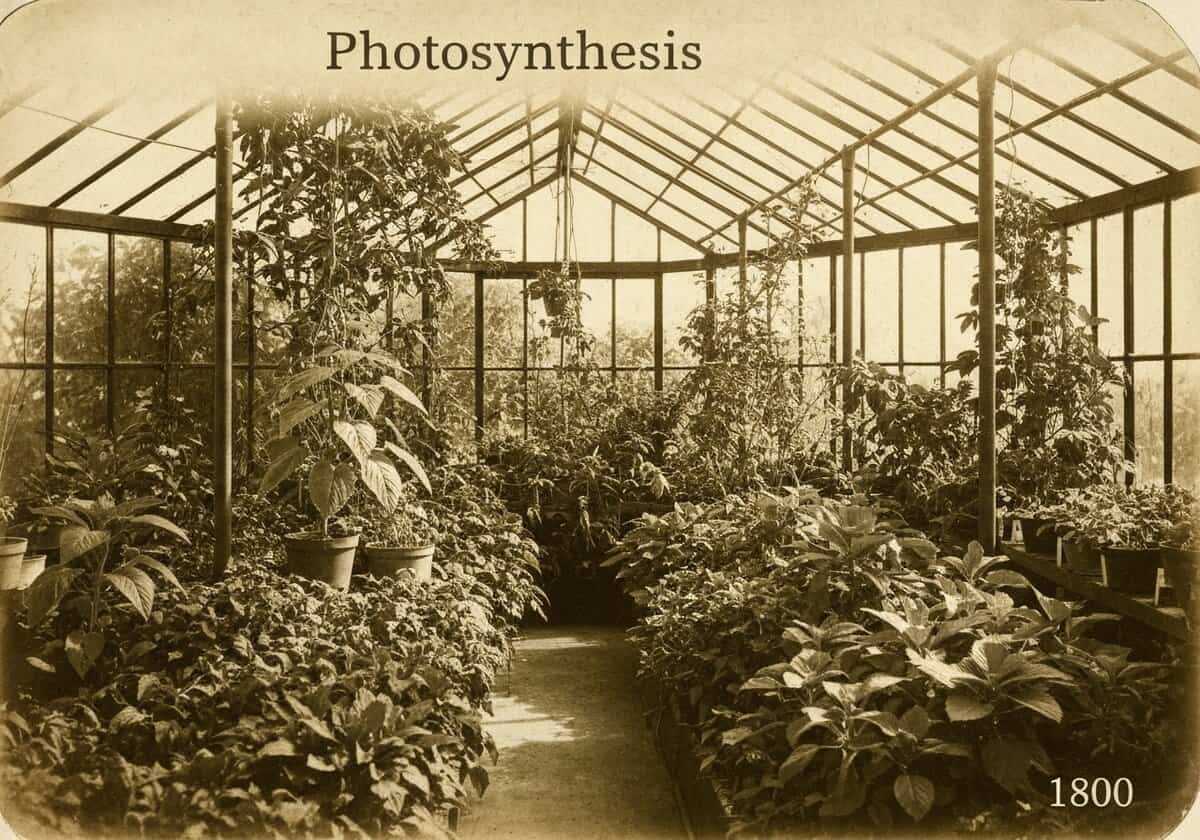
光合成は、植物、藻類、および一部の細菌が光エネルギーを化学エネルギーに変換するプロセスです。太陽光は、二酸化炭素と水をグルコース(エネルギー貯蔵用の糖)と副産物として酸素に変換するためのエネルギーを提供します。全体的な簡略化された化学式は、[latex]6CO_2 + 6H_2O + text{光エネルギー} rightarrow C_6H_{12}O_6 + 6O_2[/latex]です。
(画像はイメージです)
光合成は、植物、藻類、および一部の細菌が光エネルギーを化学エネルギーに変換するプロセスです。太陽光は、二酸化炭素と水をグルコース(エネルギー貯蔵用の糖)と副産物として酸素に変換するためのエネルギーを提供します。全体的な簡略化された化学式は、[latex]6CO_2 + 6H_2O + text{光エネルギー} rightarrow C_6H_{12}O_6 + 6O_2[/latex]です。
The process of photosynthesis occurs in two main stages within the chloroplasts of plant cells. The first stage, the light-dependent reactions, takes place in the thylakoid membranes. Here, pigments like chlorophyll absorb photons from sunlight. This energy is used to split water molecules in a process called photolysis, which releases oxygen, protons, and electrons. The energy captured from light is converted into two short-term energy-storing molecules: ATP (adenosine triphosphate) and NADPH (nicotinamide adenine dinucleotide phosphate). The second stage, known as the Calvin cycle or light-independent reactions, occurs in the stroma of the chloroplast. This cycle does not directly require light but uses the ATP and NADPH produced in the first stage. In the Calvin cycle, carbon dioxide from the atmosphere is ‘fixed’ into organic molecules and converted into glucose, a high-energy sugar that the plant can use for growth, metabolism, or storage as starch. This entire process is the foundation of nearly all life on Earth, providing the energy for most ecosystems and producing the oxygen in our atmosphere.
ボットによるトラフィック(現在1日あたり4万件以上)を排除するため、このコンテンツはコミュニティメンバー限定となっています。
> ログイン < または > 登録 < (100%無料)でこれにアクセスできます。他のすべての制限付きコンテンツとツールも同様です。
光合成
(日付が不明または関連性がない場合、例えば「流体力学」などでは、その注目すべき出現時期の概算値が提示されます。)

フルサイズの画像とダウンロードは、登録会員のみが100%無料で利用できます。
> ログイン <