광합성은 식물, 조류, 그리고 일부 박테리아가 빛 에너지를 화학 에너지로 전환하는 과정입니다. 햇빛은 이산화탄소와 물을 포도당(에너지 저장용 당)과 부산물인 산소로 전환하는 데 필요한 에너지를 제공합니다. 전체적인 간략화된 화학 반응식은 [latex]6CO_2 + 6H_2O + text{빛 에너지} rightarrow C_6H_{12}O_6 + 6O_2[/latex]입니다.
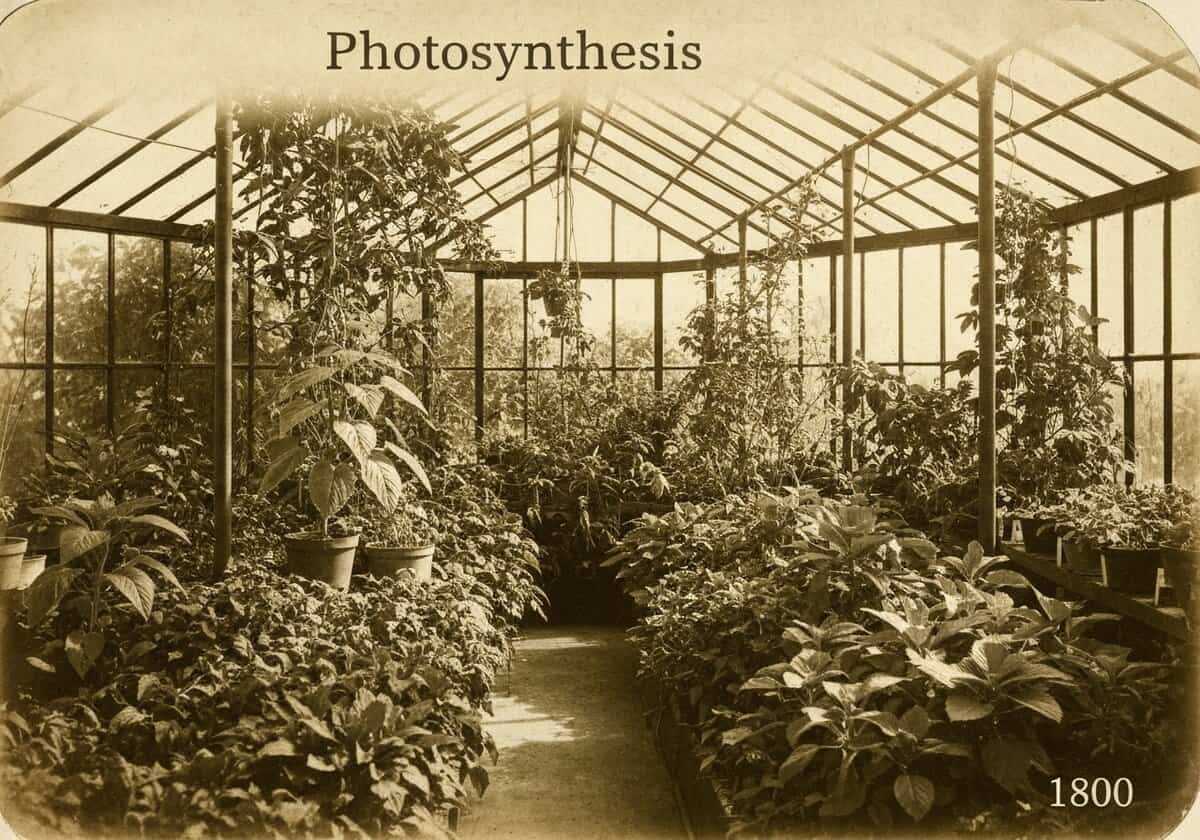
(설명을 위한 생성된 이미지입니다)
광합성은 식물, 조류, 그리고 일부 박테리아가 빛 에너지를 화학 에너지로 전환하는 과정입니다. 햇빛은 이산화탄소와 물을 포도당(에너지 저장용 당)과 부산물인 산소로 전환하는 데 필요한 에너지를 제공합니다. 전체적인 간략화된 화학 반응식은 [latex]6CO_2 + 6H_2O + text{빛 에너지} rightarrow C_6H_{12}O_6 + 6O_2[/latex]입니다.
The process of photosynthesis occurs in two main stages within the chloroplasts of plant cells. The first stage, the light-dependent reactions, takes place in the thylakoid membranes. Here, pigments like chlorophyll absorb photons from sunlight. This energy is used to split water molecules in a process called photolysis, which releases oxygen, protons, and electrons. The energy captured from light is converted into two short-term energy-storing molecules: ATP (adenosine triphosphate) and NADPH (nicotinamide adenine dinucleotide phosphate). The second stage, known as the Calvin cycle or light-independent reactions, occurs in the stroma of the chloroplast. This cycle does not directly require light but uses the ATP and NADPH produced in the first stage. In the Calvin cycle, carbon dioxide from the atmosphere is ‘fixed’ into organic molecules and converted into glucose, a high-energy sugar that the plant can use for growth, metabolism, or storage as starch. This entire process is the foundation of nearly all life on Earth, providing the energy for most ecosystems and producing the oxygen in our atmosphere.
현재 하루 4만 건이 넘는 봇 트래픽을 차단하기 위해 이 콘텐츠는 커뮤니티 회원만 이용할 수 있습니다.
> 로그인 < 또는 >등록 < 이 콘텐츠를 비롯한 모든 제한된 콘텐츠와 도구는 (100% 무료로) 이용할 수 있습니다.
광합성
(날짜를 알 수 없거나 관련이 없는 경우, 예를 들어 "유체역학"의 경우, 주목할 만한 등장 시기를 대략적으로 추정하여 제공합니다.)

고화질 이미지 및 다운로드는 등록된 회원에게만 100% 무료로 제공됩니다.
> 로그인 <