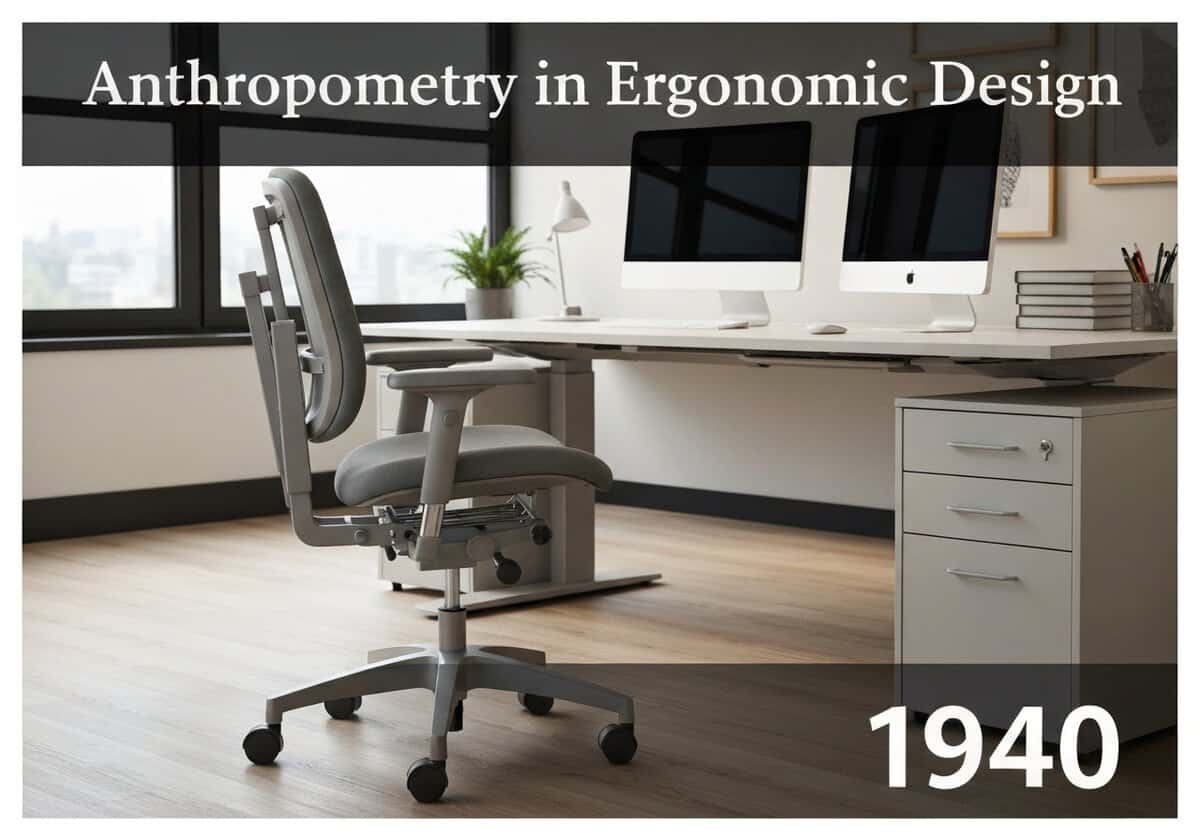
人体計測学とは、人体の寸法と比率を科学的に研究する学問です。人間工学においては、人体計測データは、ユーザーに合った作業スペース、機器、製品を設計する上で非常に重要です。設計は通常、人口の特定の範囲(多くの場合、5パーセンタイルから95パーセンタイル)に対応し、大多数のユーザーが安全かつ効率的に設計を利用できるように配慮されています。


(画像はイメージです)
人体計測学とは、人体の寸法と比率を科学的に研究する学問です。人間工学においては、人体計測データは、ユーザーに合った作業スペース、機器、製品を設計する上で非常に重要です。設計は通常、人口の特定の範囲(多くの場合、5パーセンタイルから95パーセンタイル)に対応し、大多数のユーザーが安全かつ効率的に設計を利用できるように配慮されています。

The core principle of applying anthropometry is ‘fit the task to the person,’ not the other way around. To achieve this, designers use large datasets of human body measurements, which are often specific to age, sex, and ethnicity. These datasets include static measurements (taken when the body is in a fixed position, e.g., height, arm length) and dynamic or functional measurements (taken during movement, e.g., reach envelope). A critical concept is designing for the appropriate population range. Designing for the ‘average’ person (the 50th percentile) is often a mistake, as it may fit no one well. Instead, designers use percentiles to accommodate a wider range. For example, a doorway’s height might be designed to accommodate the 95th or 99th percentile male height to prevent taller individuals from hitting their heads. Conversely, an emergency shut-off button’s reach distance might be designed for the 5th percentile female reach to ensure the smallest users can access it. This statistical approach allows for the creation of products and environments that are usable by the vast majority of the target population, enhancing comfort, safety, and performance.
人間工学設計における人体計測
(日付が不明または関連性がない場合、例えば「流体力学」などでは、その注目すべき出現時期の概算値が提示されます。)

フルサイズの画像とダウンロードは、登録会員のみが100%無料で利用できます。
> ログイン <