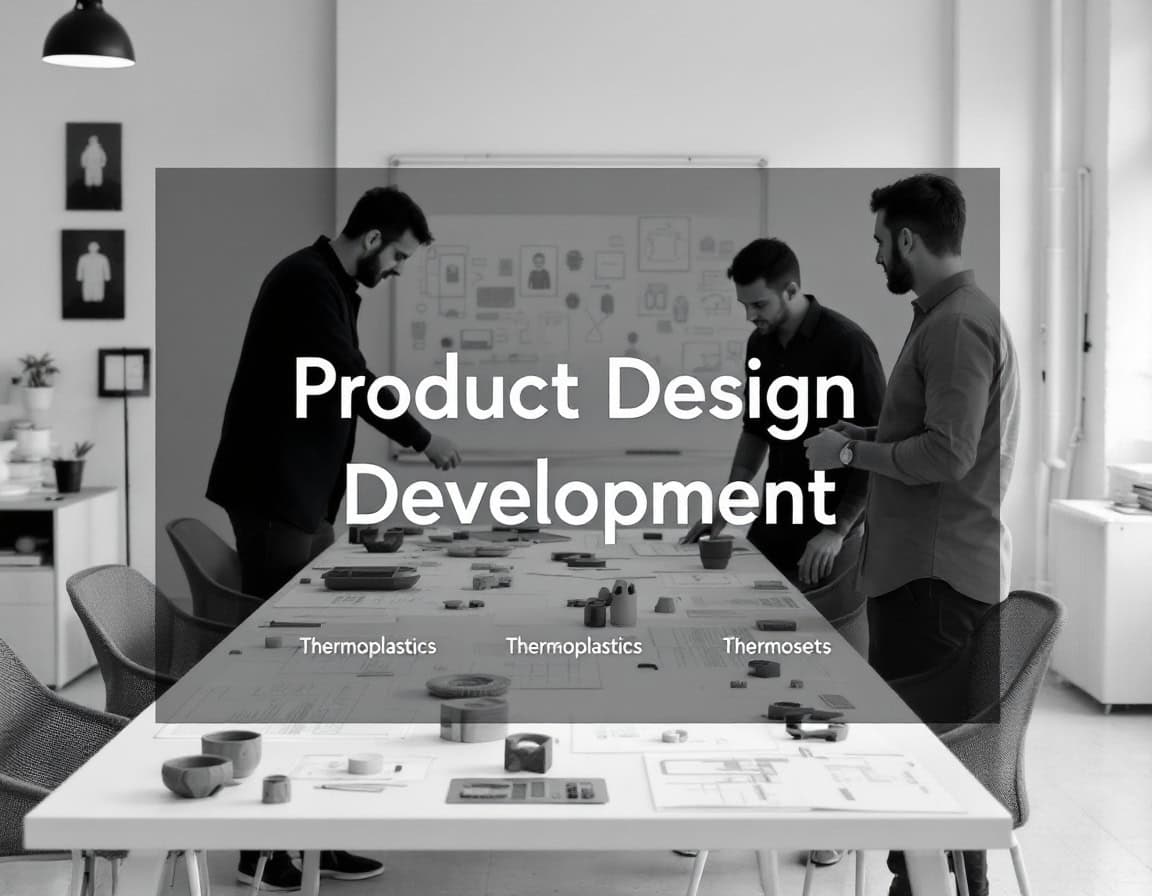

A product design engineer needs a shared vocabulary and a repeatable review habit before any cost or strategy question can be answered honestly. It opens with the terminology used across the profession, a shared glossary and the MoSCoW は、 set that appears in specifications, meetings and design reviews, then moves into the two questions every component must answer: does it fit, and does it function as intended. Students study design reviews of already-built products, a headlamp and a garden watering valve among them, to see how stated requirements become a working assembly, and finish with the material distinction between thermoplastics and thermosets that decides manufacturability long before a tool is cut.
For an engineer starting a career in 製品デザイン, or a specialist moving into consumer or industrial products from another field, this level closes the gap between academic theory and the daily practice of reading a drawing, selecting a material family and judging whether a concept sketch can become a real part. Manufacturers gain from engineers who share this vocabulary, since fewer specification errors and shorter review cycles follow directly from it.
製品開発者は、コストを追加する前に設計を簡素化するチームを獲得できる。これは、教えるコストをはるかに上回る節約効果をもたらす習慣だ。