読書 特許 特許文書は、その構造や専門用語に不慣れな人にとっては独特の難題となります。特許言語は、しばしば正確で法的に定義された用語、クレーム構成のための特定の表現、そして初心者には難解に思える形式的なスタイルを使用します。クレーム、詳細な説明、図面の相互作用を理解し、引用文献の意味を解釈することは、特許文書を理解する上で不可欠です。 従来技術 訴訟の経緯を理解するには、通常の専門書を読む以上の慣習や法的原則に関する知識が求められます。それは独自の内部論理と微妙なニュアンスを持つ体系であり、たった一語の省略や追加でその範囲や意味が大きく変わってしまうため、その真の意味を解読するには、慎重かつ十分な知識に基づいたアプローチが必要です。
一方で 特許弁護士 is strongly recommended for any patent action, this post aims at explaining most that the basics for R&D and innovation チーム.
主なポイント:
- 特許請求の範囲は、具体的な法的保護範囲を定義する。
- 仕様書は、主張内容を説明し、裏付けています。
- 重要な日付は有効性を決定します 寿命.
- 現在の法的地位と料金の支払い状況を確認してください。
- 訴訟歴に関する主張は、請求の範囲を制限する。
- 引用された美術作品は、既知の技術的背景を明らかにしている。
- 特許権は厳密に地域限定的な権利である。
- 要約/概要は目的を示すものであり、法的範囲を示すものではありません。
特許を分析する際に最も重要な15のポイント
重要度の高い順に並べると
以下は「典型的な」重要度順ですが、特許分析の具体的な目的に応じて大きく変わる可能性があります。その他のアプローチ:
- 侵害分析: 請求項(1)は、保護される法的範囲を定義するため、圧倒的に重要となる。明細書(2)および審査経過(7)は、請求項の解釈および権利放棄の特定において、それに続いて重要となる。
- 事業運営の自由(FTO)調査(つまり、計画中の製品が他者の特許を侵害する可能性があるかどうかを判断すること): 潜在的に特許を阻害する可能性のあるクレーム(1)、その法的地位(4)、および地理的範囲(8)が、現在の関連する脅威を確認するために優先されます。
- 投資デューデリジェンスまたは特許評価: クレームは依然として重要ですが、譲受人/現在の所有者(5)、法的地位(4)(維持費を含む)、特許ファミリー(13)(市場の広がりを示す)、および引用文献(12)(影響を示す)は、資産の強さ、所有権の明確さ、および認識されている市場価値を評価するために、すぐに重要になる場合があります。
- 最先端の技術動向を幅広く調査したい場合、または技術的な理解を迅速に深めたい場合: 最初に、要約(9)、図面(明細書内、2)、発明の概要(10)、およびIPC/CPC分類(15)を優先して、多くの文書を素早く精査し、特許請求の範囲を深く掘り下げる前に技術を理解することができます。
- 技術のライセンス供与: ここでは、どのような権利が提供されるかを知るためにクレーム(1)を理解すること、ライセンサーを特定するために譲受人(5)を理解すること、そして執行可能性と地理的範囲を確認するために法的ステータス(4)と特許ファミリー(13)を理解することが最優先事項です。
- 競合情報: 譲受人(5)、出願日(3)、IPC/CPC分類(15)を追跡することで、競合他社の研究開発の方向性や市場の焦点をより迅速に明らかにすることができ、関心のある特定の特許については詳細なクレーム分析を行うこともできます。
1. 請求内容
具体的には、まず独立請求、次に従属請求の順です。
このセクションは特許のまさに核心です。クレームは発明の範囲を法的に定義し、特許権者が他者が製造、使用、 販売販売、提供、または輸入。侵害の有無は、侵害が疑われる製品/プロセスを特許請求の範囲の文言と比較することによってのみ判断されます。
特許請求の範囲の広さ、明確さ、および防御可能性は、特許の価値と強さに直接的に相関する。 広範な請求はより広い範囲をカバーする一方、狭い請求は防御しやすいものの、保護の度合いは低い。
ヒント: 出願人にとって、範囲の幅を定義することは重要であり、これはプロの特許弁護士が価値を発揮する点のひとつです。つまり、クレームの構成に応じて、範囲をどれだけ広げられるか、そして最終的にすべてを失うことなく、後でそれを防御したり制限したりできる経験を持っているということです。
- 侵害分析について: 製品/プロセスが、独立クレーム(またはそれに相当するもの)に記載されているすべての要素を含んでいるかどうかを判断します。
- 妥当性分析について: 請求項に係る発明が、先行技術に対して新規性および非自明性を有するかどうかを確認します。
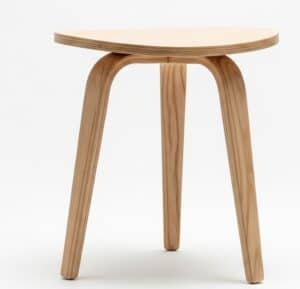
よく引用される例: 請求項に「座面、背もたれ、および4本の脚を有する椅子」と記載されている場合、座面と3本の脚のみを有するスツールは、文字通りの侵害には当たらない。
構造:
- 前文:発明を紹介する(例:「通信方法」、「装置」など)。
- 移行句:範囲にとって非常に重要です。
- 「含む」(または「含む」、「含む」、「含有する」):限定されない、つまり「少なくともこれらの要素を有するが、場合によってはそれ以上の要素を有する」という意味です。これは一般的に、より広い範囲を指す場合に好まれます。
- 「~から成る」:閉じている、つまり「これらの要素のみを持ち、それ以上は持たない」という意味。非常に制限的。
- 「本質的には、部分的に閉じたものであり、列挙された要素と、本発明の基本的かつ新規な特徴に実質的に影響を与えない他の要素を含む」ことを意味する。
- 本文:必須要素とその制約、およびそれらの関係性を列挙する。
- 独立請求と従属請求:
- 独立請求項:単独で成立する(例:請求項1:「AとBを含むウィジェット」)。特定の発明概念の最も広い範囲を定義する。
- 従属クレーム:先行するクレームを参照し、さらに限定する(例:「クレーム2:クレーム1に記載のウィジェットであって、さらにC.を含む」)。これらは範囲を狭めるが、より広範なクレームが無効とされた場合の代替手段となる可能性がある。
その他注意すべき点:
- 用語:各単語の正確な意味。仕様書に用語の定義はありますか?用語は一貫して使用されていますか?
- 先行条件: 要素が参照されるとき (例:「前記のレバー」) には、その要素が事前に導入されている (例:「レバー」) ことを確認します。
- 「手段+機能」または「ステップ+機能」要素(35 USC § 112(f)):例:「XをYに取り付ける手段」。このような要素の範囲は、明細書に記載されている対応する構造、材料、または行為、およびそれらの同等物に限定されます。
ヒント: 複数の独立した請求項は、発明の異なる側面または実施形態(例えば、装置、装置の使用方法、装置を組み込んだシステム)を対象とすることができる。
ヒント: クレームを図式化してください。個々の要素と限定事項に分解してください。これにより、範囲を視覚化し、他の製品や先行技術と比較することができます。特に広範な用語や、異常に狭い用語があればメモしておいてください。
2. Specification
Detailed Description of the Invention & Drawings
This is the “teaching” part of the patent. It しなければならない fulfill several legal requirements:
- Enablement: describe the invention in enough detail so that a “Person Having Ordinary Skill In The Art” (PHOSITA) could make and use the invention without undue experimentation. Lack of enablement can invalidate claims.
- Written description: the specification must show that the inventor was “in possession” of the claimed invention as of the filing date. This means describing the claimed features adequately.
- Best Mode: (requirement in the U.S., though its enforceability has changed) disclose the best way the inventor knew to carry out the invention at the time of filing.
- Context for claims: the specification provides the dictionary for terms used in the claims. If a term is ambiguous, its meaning is often derived from its usage in the specification.
- Support for amendments: during patent prosecution, claim amendments must find support in the original specification. New matter cannot be introduced.
Depending of your objective, what you must look for:
- Clarity and completeness: is the description clear, detailed, and comprehensive? Does it explain how all the claimed elements function and interact?
- Embodiments and examples: how many different versions (embodiments) or specific examples of the invention are described? More examples can support broader claim interpretation and demonstrate enablement. Example: if claims cover a chemical compound, are specific synthesis examples provided?
- Drawings: are there drawings? Do they clearly illustrate the claimed elements and their relationships? Are all drawing figures referenced and explained in the text?
- Consistency: are terms used consistently between the specification and the claims?
- Definitions: does the specification explicitly define any terms, especially those in the claims? These definitions will override common dictionary meanings.
- Range of values: if claims recite ranges (e.g., “temperature between 50-100°C”), does the specification support the entire range or just specific points?
ヒント: read the specification *after* an initial review of the independent claims. This helps you understand what the inventor considered important and how they intended the terms to be understood. If the specification describes something as “critical” or “essential,” it might be read into the claims.
Red flag: the specification describes only one very narrow embodiment, but the claims are very broad. This could indicate a potential written description or enablement problem.
3. Filing Date, Priority Date(s), and Grant Date

These 3 dates below are cornerstones for determining patent validity and term:
- Priority date: the earliest effective filing date for the claimed subject matter (often from a provisional application or a foreign filing). Prior art published *before* this date can be used to challenge novelty and non-obviousness.
- Filing date: the date the non-provisional application was filed. Important for patent term calculation.
- Grant date: the date the patent was officially issued. This is when the patent becomes enforceable.
These determine the patent’s lifespan (generally 20 years from the earliest non-provisional U.S. filing date, or from the PCT filing date if applicable). Affects which prior art is relevant.
“Related U.S. Application Data” or “Foreign Application Priority Data” sections are typically on the front page.
Continuity Data: is it a continuation, divisional, or continuation-in-part (CIP) of an earlier application? CIPs can introduce new matter. Claims relying on new matter in a CIP only get the benefit of the CIP filing date for that new matter.
You can calculate the potential expiration date. Be aware of potential term adjustments (PTA) or extensions (PTE) that can modify the standard term (especially for pharmaceutical patents).
ヒント: always verify priority claims. An incorrect priority claim can dramatically change the relevant prior art landscape. Ensure the earlier application actually supports the claims in the later patent.
4. Legal Status

e.g. Pending, Granted, Expired, Lapsed, Revoked, Withdrawn
This directly indicates whether the patent currently provides enforceable exclusive rights. A patent that is not “in force” generally cannot be asserted for current infringement. A lapsed or expired patent means the invention is in the public domain (though past infringement during its term might still be actionable if within the statute of limitations). A pending application is not yet enforceable but provides notice of potential future rights.
Look for:
- Patent Office Databases:
- U.S.: USPTO Patent Center (formerly PAIR – Patent Application Information Retrieval).
- Europe: European Patent Register.
- Other national patent office databases.
- Maintenance fee payments (Annuities): have these been paid on time? Failure to pay leads to lapse/expiration. In the U.S., maintenance fees are due at 3.5, 7.5, and 11.5 years after grant. Many other countries require annual renewal fees.
- Litigation status: is the patent currently involved in litigation (e.g., infringement suit, invalidity challenge, Inter Partes Review – IPR)? This can be found in court databases or specialized patent litigation databases.
ヒント: do not rely solely on the status printed on a patent copy, as it can change. Always check the official, up-to-date status from the relevant patent office.
5. Inventors and Assignee (Current Owner)
Correctly naming inventors is a legal requirement. Incorrect inventorship can be grounds for invalidation (though it’s often correctable). Assignee is the entity (usually a company) that owns the patent rights. This is crucial for licensing negotiations, infringement assertions, and understanding who controls the technology. It determines who has the right to sue for infringement and who can grant licenses. Important for tracking a company’s IP portfolio.
ヒント: has the patent been sold or transferred? Track the assignments to identify the current owner. This can sometimes be complex.
ヒント: always verify the current assignee through official assignment records, as ownership can change multiple times during a patent’s life. Look for any security interests or licenses recorded against the patent.
6. Prior Art Cited
These are documents (other patents, scientific articles, etc.) that the patent examiner considered when deciding whether the invention was new and non-obvious, or that the applicant brought to the examiner’s attention. They provide an insight into the “state of the art” at the time of invention. Can help understand the scope of the claims by seeing what the examiner thought the invention was *not* (i.e., how it was distinguished from this prior art).
This list is a good starting point if you are assessing the patent’s validity and novelty (only “A” or “X” ?), but a comprehensive search shall go beyond these.
One must distinguish between:
- Cited by Examiner: references the examiner found and considered, the most important ones.
- Cited by Applicant (in an IDS): references the applicant disclosed to the USPTO.

Relevance Codes (sometimes available in file wrapper or search reports):
- “X” category: particularly prejudicial, anticipates novelty or inventive step on its own.
- “Y” category: particularly prejudicial when combined with other documents.
- “A” category: defines general state of the art, not particularly prejudicial.
ヒント: dates of the Cited Art … are they before the patent’s priority date?
ヒント: if you are trying to invalidate a patent, look for prior art *not* cited by the examiner, as this might not have been considered and could be stronger. Remember that, while the examiner is experimented and usually in that field, he is not a specialist of *that* particularly domain as you and may not be aware of all common practices or prior art. Analyze how the applicant overcame rejections based on the cited art during prosecution (see point 7).
7. Prosecution History
This is the complete official record of the dialogue between the applicant (or their attorney) and the patent office during the examination process. It often involves multiple rounds of rejection and response. It contains important information about how the claims were interpreted and potentially narrowed. The arguments made to distinguish the invention from prior art can clarify the meaning and scope of claim terms and their validity.
“Prosecution History Estoppel”: statements or claim amendments made by the applicant during prosecution to overcome rejections can limit the scope of the claims and prevent the patentee from later recapturing surrendered subject matter through the doctrine of equivalents. The scope and application of this vary from country to country.
You should look for:
- Office actions: official letters from the examiner detailing rejections (e.g., based on novelty, obviousness, enablement).
- Applicant’s responses & amendments: how the applicant changed the claims or argued against the rejections. Pay close attention to *why* claims were amended.
- Statements made by applicant: any arguments or characterizations of the invention or prior art.
- Reasons for allowance: the examiner’s stated reasons why the claims were ultimately deemed patentable.
ヒント: this is often a goldmine for understanding claim limitations. If a claim term was argued to have a specific meaning to overcome prior art, that meaning will likely stick. Download and review the “Image File Wrapper” from the USPTO Patent Center or equivalent services.
8. Geographic Coverage
特許権は厳密に地域限定的な権利である。
あ patent granted by one country is only enforceable in that specific country. A U.S. patent provides rights only within the United States and its territories. To have rights in Japan, you need a Japanese patent; in Europe, a European patent or national patents in European countries. Look for:
- Issuing Authority: clearly stated on the front page (e.g., “United States Patent,” “Europäisches Patent,” “特許証” (Japanese Patent)).
- Patent Number Format: different countries have distinct patent number formats.
- Language of the Document: usually a strong indicator, though some offices publish in multiple languages or provide English translations.
ヒント: do not assume a product seen in one country is covered by a patent found in another. For global products, companies often file for patents in multiple key market countries (see “Patent Family,” point 13).
9. Abstract
Intended as a brief (usually under 150 words) technical summary to allow readers to quickly grasp the nature and gist of the invention.
It’s primarily an aid for searching. The abstract does *not* define or limit the scope of the claims.
It cannot be used to interpret claim scope for infringement or validity purposes in the U.S.
ヒント: use the abstract for initial screening of many patents. If it seems relevant, then dive into the claims and specification. Never rely on the abstract alone for any substantive legal or technical analysis. As one of the trick in our 特許調査 tricks article, the Abstract can be written in order not to be found easily (See particularly the “Bonus” section in article listed below to overcome this trick).


10. Summary of the Invention
This section in the specification typically provides a broader, more narrative statement of the invention’s nature, objects, and advantages than the Abstract. It may paraphrase or broadly recite aspects of the claims. It can help bridge understanding between the concise Abstract and the very specific language of the Claims. May set forth the objects or goals the invention aims to achieve.
You will potentially find here:
- A author’s restatement of the invention’s core that often mirrors some of the broader independent claim language but in prose.
- Some stated advantages
ヒント: while more detailed than the abstract, like the abstract, the summary does not define the legal scope of the claims. However, statements made here about the invention’s purpose or essential features can sometimes be used (though less directly than prosecution history) in claim interpretation arguments.
11. Background of the Invention
The background sets the stage for the invention. It usually describes the general field of the invention, discusses the existing problems or deficiencies in the prior art that the invention seeks to overcome, and sometimes briefly mentions existing solutions and their shortcomings. It helps understand *why* the invention was developed and what specific problem it addresses, like:
- Description of the “problem”: what issue in the relevant technical field does the invention solve?
- Discussion of prior art: what existing technologies or methods are mentioned? Are their drawbacks highlighted?
- “Objects of the invention”: sometimes explicitly stated here, outlining the goals.
ヒント: be cautious: statements made in the Background disparaging prior art can sometimes be used by an examiner or a court to narrow the interpretation of the claims (arguing the invention must be different from what was criticized). Applicants are generally advised to be factual and objective here.
12. Forward Citations Patents

Patents that cite *this* patent
These are *later* patents or applications that reference the patent you are analyzing as relevant prior art. A high number of forward citations can indicate the analyzed patent’s technological significance or foundational nature. It suggests that the analyzed patent has influenced subsequent innovation or that others are working in a similar technological space and need to distinguish their inventions. Can be an indicator of commercial importance or licensing value.
It is advised here to look for:
- Obtained from Patent Databases: (e.g., Google Patents, USPTO Patent Center, commercial patent search platforms). This information is not on the face of the patent document itself.
- Number of Citations: a simple count. More is often better.
- Citing Companies/Assignees: who is citing this patent? Competitors? Companies in related fields? This can reveal market dynamics.
- Nature of Citing Patents: are they improvements, related technologies, or attempts to design around?
- Time lag: how quickly after publication was the patent cited? Rapid citation can indicate immediate impact.
ヒント: analyze the *context* of the forward citations. Is the patent being cited to support or reject a claim in the later patent? Some tools offer “citation mapping” to visualize these relationships.
13. Patent Family
Related patents in other countries or related U.S. applications like continuations, divisionals
A patent “family” consists of multiple patent applications/grants filed in different countries (or related applications within the same country, like divisionals or continuations) that claim priority to the same original invention. It indicates the geographic scope of protection sought for the invention and often reflects the patent owner’s assessment of the invention’s commercial importance (more important inventions are often filed in more countries).
It reveals the patenting strategy (e.g., focusing on key markets, protecting different aspects of the invention through divisionals).
To analyse that strategy, you must look for:
- Priority Claims: the initial patent application often serves as a “priority document.”
- Database Tools: patent databases (Google Patents, Espacenet, commercial tools) are essential for identifying family members. Look for “INPADOC family” or similar indicators.
- Corresponding Patents: patents granted in different countries for the same core invention.
- U.S. Relationships:
- Continuations: pursue claims to the same invention disclosed in the parent, often after a restriction requirement or to get a second look.
- Divisionals: pursue claims to a distinct invention that was also disclosed in the parent application but had to be “divided out.”
- Continuations-In-Part (CIPs): add new matter to the disclosure of the parent application.
ヒント: the scope of claims can vary significantly between family members in different countries due to different patent laws and examination practices. Do not assume claims are identical across a family.
14. Maintenance Fee Status / Annuities

For a granted patent to remain legally “alive” and enforceable throughout its potential term, periodic fees must be paid to the patent office. In the U.S., these are “maintenance fees”; in most other countries, they are “annuities” or “renewal fees”. Any failure to pay these fees by the deadline (plus any grace period) results in the patent lapsing or expiring prematurely, meaning the invention enters the public domain earlier than its full term. This is a direct and critical check on current enforceability.
Official Patent Office Databases are the only reliable source for this.
Payment Windows and Due Dates are specific and vary by jurisdiction. Example (U.S.): Due at 3.5, 7.5, and 11.5 years from the grant date.
Status: either “Active”, “Lapsed for non-payment”, or “Expired”.
ヒント: always double-check this status if relying on a patent for any strategic decision (e.g., licensing, freedom-to-operate, investment). A company might strategically let less valuable patents lapse to save costs as worldwide patent costs for a full family and wide protection can be very high.
15. International Patent Classification (IPC) / Cooperative Patent Classification (CPC)
These are internationally standardized hierarchical classification systems used by patent offices worldwide to categorize patents based on their technical subject matter. Examiners assign these codes. IPC and/or CPC codes are usually listed in the front page of the patent.
The codes are essential tools for conducting patent searches (e.g., prior art searches, freedom-to-operate searches). Help in quickly understanding the broad (and sometimes very specific) technical area of the invention.
- CPC Scheme: more detailed than IPC, jointly managed by the EPO and USPTO. It’s becoming the global standard. (e.g., “H04L 67/02” relates to network protocols for client-server architectures).
- IPC Scheme: maintained by WIPO. (e.g., “A61K 31/00” relates to medicinal preparations containing specific organic active ingredients).
Codes range from general sections (e.g., “A” – Human Necessities) down to very specific subgroups.
ヒント: use these codes in patent databases to find other patents in the same technological niche. Understanding the classification can help refine search strategies significantly. Examiners often search by classification.
結論
Effectively reading a patent involves a methodical approach, focusing initially on the claims to grasp the protected scope, then using the specification for detailed understanding and term definition, while considering key dates, ownership, and legal status for context and validity; appreciating the document’s unique language and structure is foundational to accurately interpreting its technical and legal significance.
External Links on Patents and IP Protection
国際規格
(リンクにカーソルを合わせると、コンテンツの説明が表示されます)
用語集
Carriage and Insurance Paid To (CIP): 輸送条件の一つで、売主が指定された目的地までの商品の輸送費と保険料を負担し、商品が運送業者に引き渡された時点でリスクが買主に移転することを示すもの。
Computed Tomography (CT): X線とコンピュータ処理を用いて人体の断面画像を生成する医用画像技術であり、内部構造や組織の詳細な可視化を可能にする。2次元データから3次元表現を提供することで、診断能力を向上させる。
Cost Per Click (CPC): 広告主が広告がクリックされるたびに料金を支払うデジタル広告の価格モデル。総広告費を総クリック数で割ることによって算出され、オンラインキャンペーンの費用対効果を測定する。
Freedom to Operate (FTO): a legal assessment determining whether a product, process, or technology can be developed, manufactured, or sold without infringing on existing intellectual property rights held by others.
Initial Public Offering (IPO): 非公開企業が初めて株式を一般に公開し、一般投資家から資金を調達すると同時に、証券取引所で上場企業となるプロセス。
Public Domain: 著作権の制限を受けないことを示す法的地位であり、許可や対価なしに誰でも作品を使用、改変、配布できる状態を指します。この地位は、著作権の有効期限切れ、著作者による明示的な献呈、または著作権の取得資格の欠如によって生じます。
Unique Selling Point (USP): a distinctive feature or benefit that sets a product or service apart from competitors, aimed at attracting customers by addressing specific needs or preferences.
United States Patent & Trademark Office (USPTO): 米国における特許の付与および商標登録、イノベーションの促進、知的財産権の保護を担う連邦機関。出願の審査、特許の発行、登録商標のデータベースの管理を行う。
Work in Progress (WIP): 原材料、労働力、および一定の段階までに発生した間接費など、生産工程において部分的に完成した品目。これらの資産はまだ完成品ではなく、生産効率の追跡や在庫管理に不可欠です。