Product Design, Manufacturing & Innovation Resources
Home » Biocompatibility in Medical Implants

Biocompatibility in Medical Implants

1960
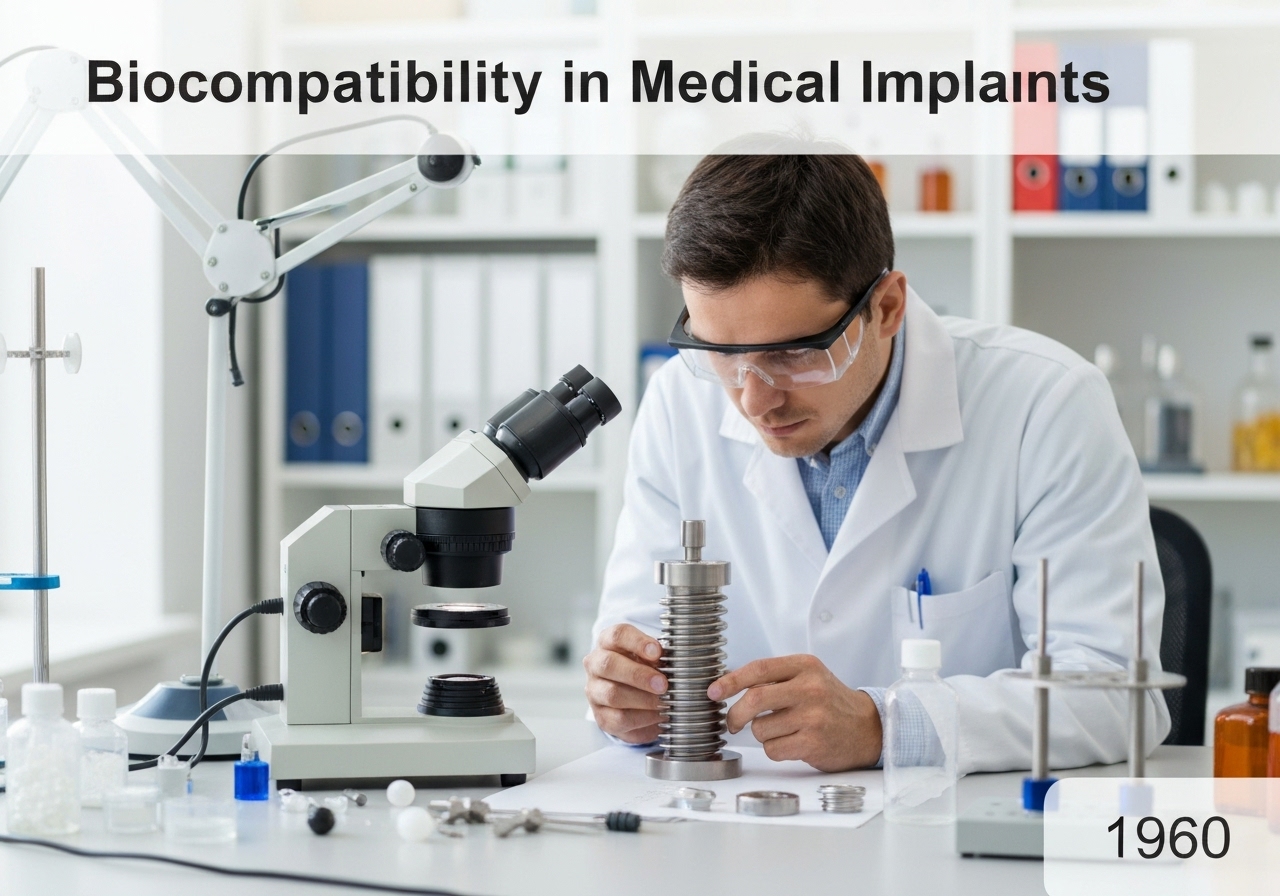
Biomedical engineer examining titanium medical implant for biocompatibility in laboratory.

(generated image for illustration only)

Biocompatibility is the property of a material to perform with an appropriate host response in a specific application. For medical implants, this means avoiding toxic, injurious, or immunological reactions from the body. Materials like titanium, silicone, and certain polymers are chosen for their inertness and ability to integrate with biological tissues without causing significant adverse effects.
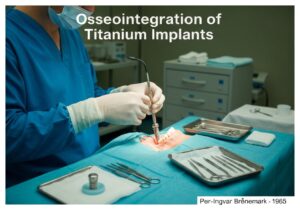

Biocompatibility is not a single property but a complex set of interactions between a material and the host’s biological system. The ideal biomaterial should not induce inflammation, allergic reactions, or carcinogenic effects. The response depends on the material’s surface chemistry, texture, and mechanical properties, as well as the implant’s location and function. For example, a heart valve implant must be hemocompatible, meaning it doesn’t cause blood clots (thrombosis). A bone implant must be osteoconductive, encouraging bone growth onto its surface. Early implants often failed due to foreign body reactions, where the immune system encapsulates the implant in a fibrous scar tissue, isolating it and impeding its function. Modern biomaterials are often surface-treated or coated to enhance biocompatibility. For instance, hydroxyapatite coatings on titanium implants mimic the mineral component of bone, promoting better integration. The field of biomaterials science is constantly evolving, developing “bioactive” materials that actively participate in healing processes rather than just being inert placeholders.

UNESCO Nomenclature: 3201
– Biomedical engineering

Type

Abstract System

Disruption

Incremental

Usage

Widespread Use

Precursors

  • advances in polymer chemistry
  • understanding of the immune system’s foreign body response
  • development of sterile surgical techniques by joseph lister
  • discovery of inert metals like titanium and platinum

Applications

  • artificial joints (hip, knee)
  • dental implants
  • pacemakers
  • stents
  • cosmetic implants

Patents:

NA

Potential Innovations Ideas

Due to scrapping bot traffic, currently more than 40k per day, this content is reserved to community members.
> Login < or > Register < (100% free) to access this, so as all other restricted content and tools.

Related to: biocompatibility, biomaterials, medical implant, host response, titanium, silicone, foreign body reaction, inertness, immunological reaction, tissue integration.

Historical Context

Biocompatibility in Medical Implants

1960
1965
1970
1980
1980
1990
1960
1960
1969
1976-05-28
1980
1990

(if date is unknown or not relevant, e.g. "fluid mechanics", a rounded estimation of its notable emergence is provided)

Related Invention, Innovation & Technical Principles

Full size images and downloads are only available, 100% free, for registered members.

> Login <