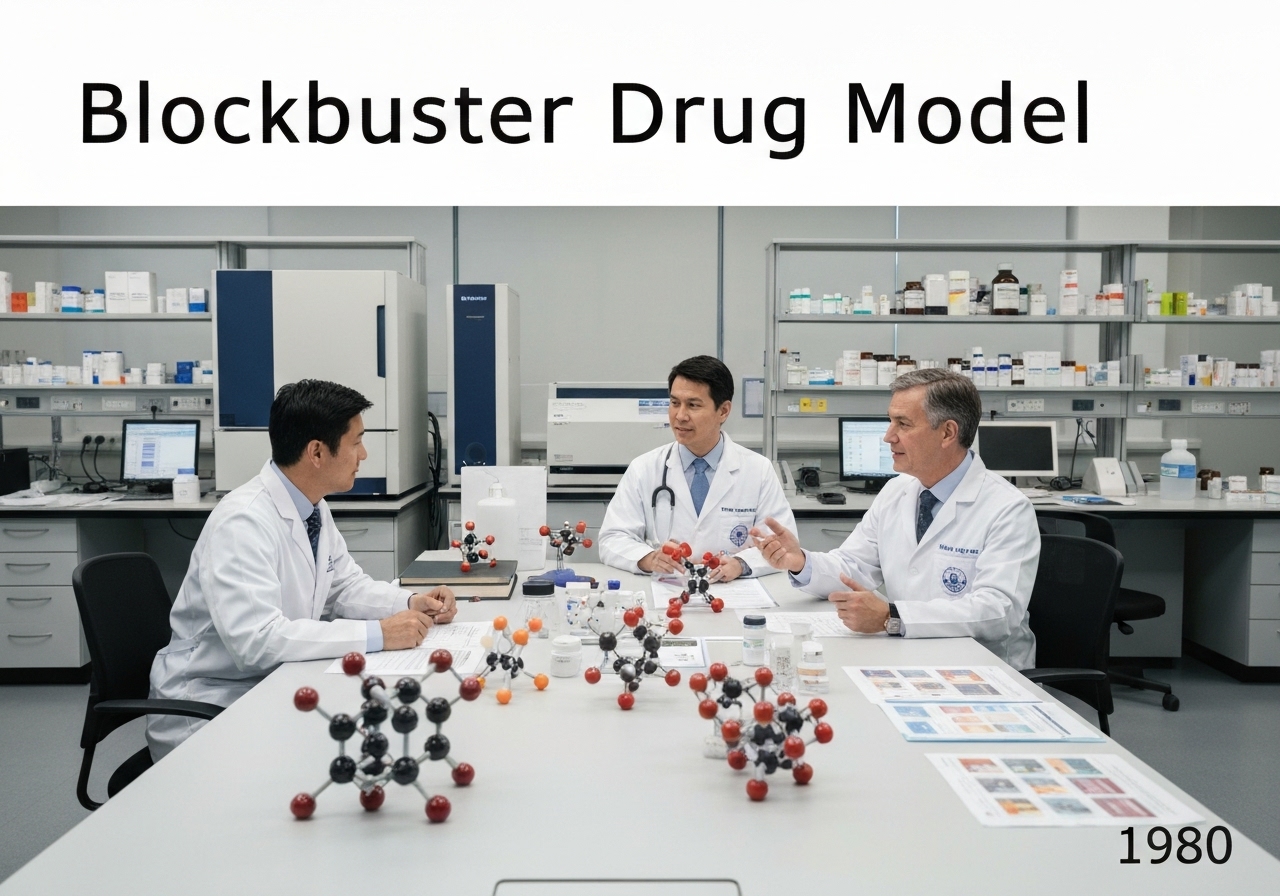
所谓 "大片药物",是指年销售额超过 10 亿美元的医药产品。这种商业模式历来推动着制药业的发展,它将研发重点放在常见的慢性疾病上,以最大限度地提高受专利保护的收入。这些收入为新药的进一步研发提供了资金,形成了创新和高利润的循环。

(图片仅供参考)
所谓 "大片药物",是指年销售额超过 10 亿美元的医药产品。这种商业模式历来推动着制药业的发展,它将研发重点放在常见的慢性疾病上,以最大限度地提高受专利保护的收入。这些收入为新药的进一步研发提供了资金,形成了创新和高利润的循环。
The blockbuster model became the dominant strategy for large pharmaceutical companies in the late 20th century. The model relies on developing and patenting a drug that can treat a widespread chronic condition, such as high cholesterol (e.g., Lipitor), acid reflux (e.g., Prilosec), or depression (e.g., Prozac). Once approved, the company launches a massive marketing campaign aimed at both physicians and consumers (in countries where direct-to-consumer advertising is legal). The goal is to achieve widespread prescription and capture a large market share. The drug’s patent provides a period of market exclusivity, typically 20 years from the filing date, during which the company can charge high prices without competition from generic versions. The enormous profits generated during this period are used to recoup the substantial R&D investment—often exceeding $1 billion per approved drug—and to fund the development of the next generation of potential blockbusters. However, this model faces significant challenges. The “low-hanging fruit” of common diseases has largely been addressed, making new discoveries more difficult. Increased pressure from payers (governments and insurance companies) to control costs, and the looming “patent cliff” (when patents for multiple blockbuster drugs expire around the same time), have forced the industry to reconsider this strategy. Many companies are now shifting towards developing more specialized, high-value drugs for smaller patient populations, such as orphan drugs for rare diseases or personalized cancer therapies, which can command even higher prices per patient.
重磅药物模型
(如果日期未知或不相关,例如“流体力学”,则提供其显著出现的近似估计)
只有注册会员才能免费获得 100% 的全尺寸图片和下载。.
> 登录 <