Product Design, Manufacturing & Innovation Resources
بيت » آلية القطع عالية الحرارة

آلية القطع عالية الحرارة

1950
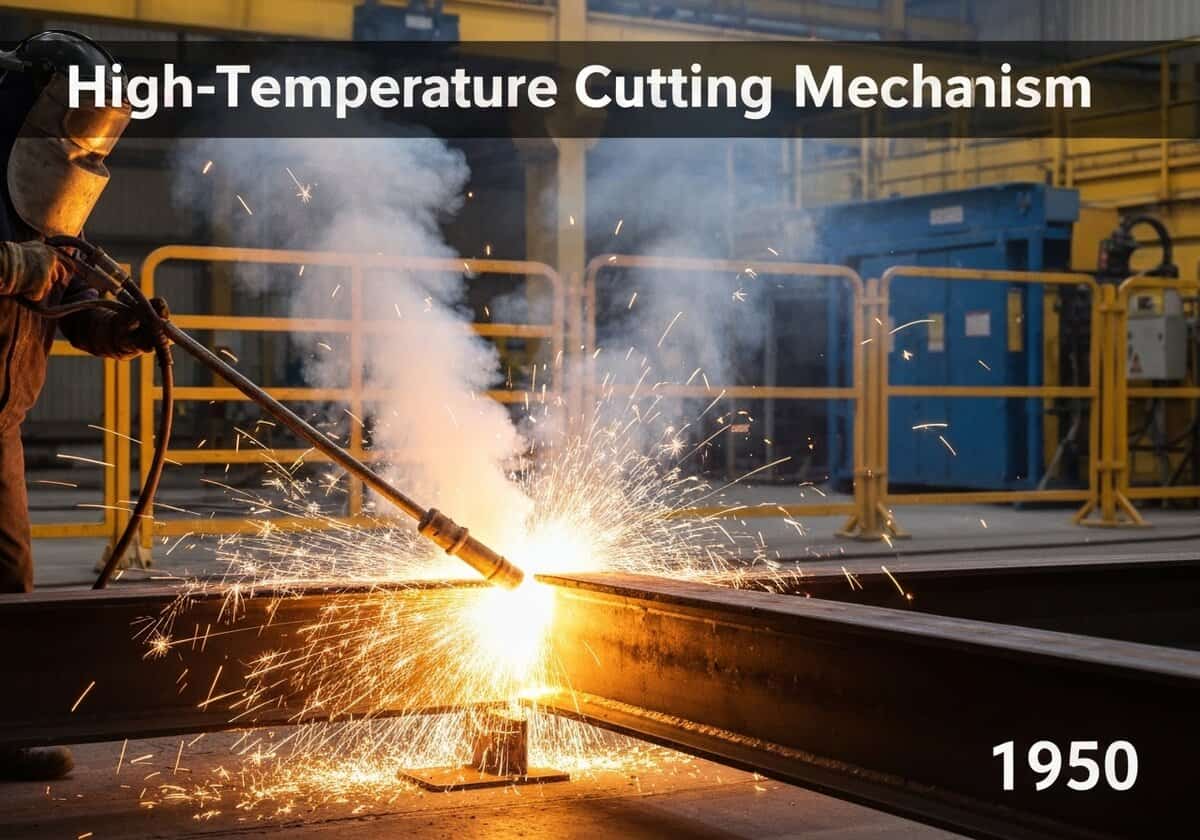
Thermal lance cutting through steel in industrial thermodynamics application.

(صورة توضيحية فقط)

أ thermal lance achieves temperatures of 3,500 °C to 4,500 °C, far exceeding conventional torches. This intense heat does not just melt the target material. The jet of pure oxygen also causes rapid oxidation of the material itself, effectively making it part of the fuel source. This combined melting and burning action allows it to cut through thick steel, concrete, and rock.


The efficacy of the thermal lance stems from its ability to generate extreme temperatures locally. While an oxy-acetylene flame reaches about 3,500 °C, the burning of iron in pure oxygen within the lance can push the reaction temperature towards 4,500 °C. This is due to the highly exothermic nature of iron oxidation. When this superheated jet of molten iron, iron oxide, and unreacted oxygen strikes a target, multiple processes occur simultaneously. On a steel target, the lance provides the activation energy and an oxygen-rich environment to ignite the target steel itself, which then undergoes the same exothermic oxidation as the lance. This creates a self-propagating cut. When used on concrete, the mechanism is different. The intense heat melts the silica ([latex]SiO_2[/latex]) components of the aggregate and cement, which have melting points around 1,700 °C. The steel rebar within the concrete is oxidized and cut as described before. The high-pressure gas stream then expels the molten silicate slag and molten steel, clearing the kerf. The process is less of a ‘cut’ and more of a controlled, high-speed erosion via thermal and chemical attack. The addition of aluminum or magnesium wires to the lance’s core can further increase the reaction temperature, enhancing its effectiveness on materials with very high melting points or thermal conductivity.

UNESCO Nomenclature: 2210
– Thermodynamics

يكتب

Chemical Process

خلل

Substantial

الاستخدام

استخدام واسع النطاق

مقدمات

  • فهم الديناميكا الحرارية وانتقال الحرارة
  • تطوير المواد المقاومة للحرارة والمواد القادرة على تحمل درجات الحرارة العالية
  • معرفة الخواص الكيميائية للحديد وأكاسيده
  • اختراع pressure regulators for handling compressed gases
  • المبادئ الأساسية للدفع النفاث وديناميكيات السوائل

التطبيقات

  • اقتحام خزائن البنوك والمرافق الآمنة
  • قطع أوعية ضغط المفاعل في عمليات إيقاف تشغيل المفاعلات النووية
  • أخذ العينات الجيولوجية الأساسية من الصخور الصلبة
  • هدم الجسور والبنية التحتية الكبيرة الأخرى
  • معالجة الخردة من الأشياء المعدنية كبيرة الحجم

براءات الاختراع:

NA

أفكار ابتكارية محتملة

  • الطباعة ثلاثية الأبعاد القائمة على الرمح باستخدام المعادن الغريبة
  • محاكاة فتحات التهوية في أعماق البحار لأغراض البحث العلمي
  • تقنية الأنفاق السريعة للوصول في حالات الطوارئ
  • معالجة الأسطح للمواد الصلبة من خلال الذوبان المتحكم فيه وإعادة التصلب
  • أداة استكشاف الكواكب للحفر في التكوينات الصخرية خارج الأرض
  • معالج إعادة تدوير الخردة المعدنية عالي السرعة
  • إصدارات مسلحة لتطبيقات مكافحة المواد
  • أداة الصب لإنشاء قنوات معقدة في قوالب الصب
  • مسبار بحثي بركاني قادر على اختراق الحمم البركانية المتجمدة
  • أداة هدم لتفكيك المنشآت الكيميائية أو النووية بأمان عن بعد
Related to: thermic cutting, oxidation, slag, exothermic, high temperature, concrete cutting, steel oxidation, melting point, silica, kerf.

السياق التاريخي

آلية القطع عالية الحرارة

1947
1950
1950
1950
1950
1950
1950
1940
1950
1950
1950
1950
1950
1950
1957

(إذا كان التاريخ غير معروف أو غير ذي صلة، على سبيل المثال "ميكانيكا الموائع"، يتم توفير تقدير تقريبي لظهوره الملحوظ)

أحدث الإضافات

أهم المنشورات والمقالات

أفضل الأدوات الأصلية

السنة العاشرة عيد

الصور والتنزيلات بالحجم الكامل متاحة فقط، ومجانية تمامًا، للأعضاء المسجلين.