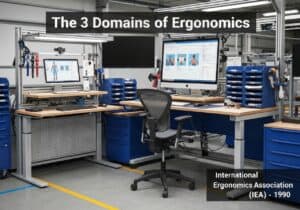
Action-oriented Ergonomics can be particularly effective in manufacturing environments where repetitive tasks and manual handling often lead to injuries. In sectors such as healthcare, warehousing, and construction, this methodology can be initiated by safety officers or team leaders who are trained in basic ergonomic principles. Participants typically include employees who perform the tasks being analyzed, as their firsthand experiences provide valuable context for identifying issues. During the assessment phase, the use of checklists and observation tools allows for quick identification of high-risk activities, leading to immediate corrective actions such as adjusting workstation heights, altering tool designs, or implementing job rotation strategies. This methodology is not only relevant during the design and implementation phases of a project but can also be integrated into ongoing safety programs to maintain awareness and compliance. Companies often realize substantial improvements in employee wellbeing and productivity as ergonomic solutions are put into practice, resulting in reduced absenteeism and enhanced morale. Its accessibility means it can be applied in various settings even without extensive training, empowering employees at all levels to contribute to workplace safety initiatives.