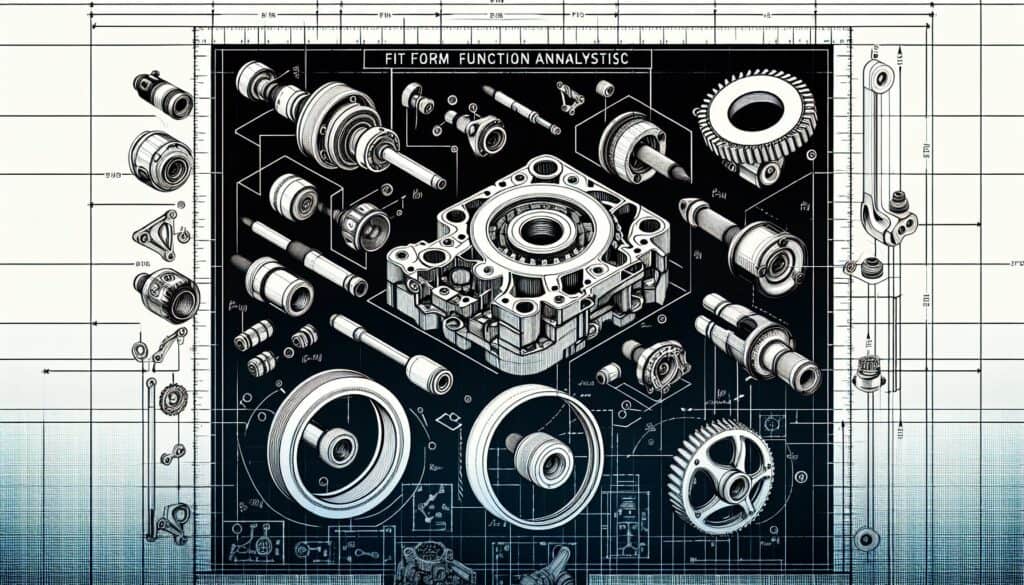
Fit Form Function (FFF) Analysis is particularly effective in industries such as automotive, aerospace, and consumer electronics, where precise specifications are paramount to ensure safety and performance. For example, in the automotive sector, FFF criteria are instrumental during the design and testing phases, enabling engineers to assess how components fit together and perform under load, thereby facilitating the development of safe and reliable vehicles. In the aerospace industry, where weight and material properties directly impact fuel efficiency and safety, FFF Analysis assists in evaluating materials and ensuring that structural components are interchangeable without compromising performance. During the prototyping phase, designers can use FFF specifications to assess multiple design iterations or materials quickly, supporting rapid innovation and iteration cycles while involving multiple stakeholders such as engineers, designers, quality control experts, and suppliers. This collaborative approach ensures that all aspects of component design and functionality are considered upfront, which reduces the risk of costly redesigns later in the project. FFF Analysis is particularly beneficial when introducing new suppliers, as it allows manufacturers to assess potential parts rapidly against established parameters, ensuring that new components meet the necessary functional and performance criteria. The methodology encourages a structured dialogue among team members about design intent, operational requirements, and compatibility, leading to enhanced project alignment and efficiency from conception through mass production.
Key steps of this methodology
专业提示
To read and compare several methodologies, we recommend the
> Extensive Methodologies Repository <
together with the 400+ other methodologies.
Your comments on this methodology or additional info are welcome on the comment section below ↓ , so as any engineering-related ideas or links.