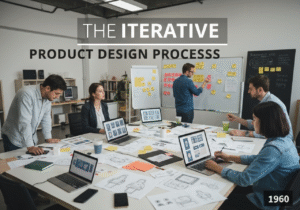
Incorporating lateral thinking within the design phase of product development can significantly enhance innovation in various industries such as consumer electronics, automotive, healthcare, and software engineering, where traditional approaches often fall short of addressing multifaceted challenges. For instance, when designing a user-friendly interface for mobile applications, lateral thinking can enable teams to discard conventional design patterns and explore alternative navigation methods that better meet user needs. Participants typically include cross-functional teams comprising designers, engineers, marketers, and end-users, facilitating diverse viewpoints that spur creativity. This methodology can be brilliantly applied during brainstorming sessions, prototyping, or even while assessing existing products for improvement. Techniques like random word association or role reversal can be employed to disrupt routine cognitive patterns and stimulate fresh ideas. Industries that prioritize innovation, such as technology startups or
可持续设计, may particularly benefit from adopting these methods, as they encourage exploration beyond established frameworks, potentially leading to revolutionary products and services. Workshops dedicated to lateral thinking can serve as platforms for teams to collaboratively advance ideas, share insights, and generate solutions that would not emerge from standard analytical thinking approaches, fostering a culture of creativity and resilience in problem-solving.