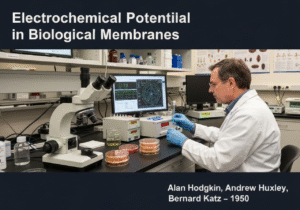
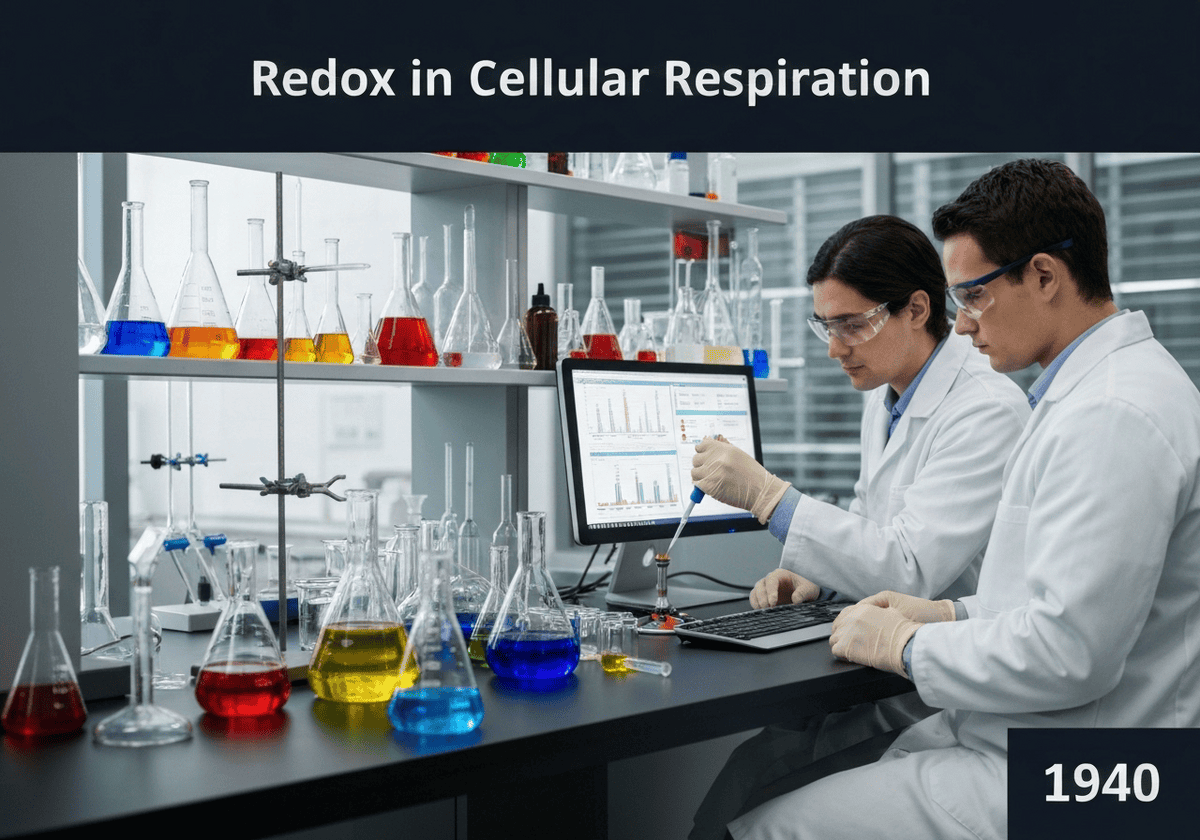
These reduced coenzymes then donate their high-energy electrons to the electron transport chain (ETC), a series of protein complexes in the inner mitochondrial membrane. As electrons are passed down the chain, they move to successively lower energy levels. The final electron acceptor is molecular oxygen, which is highly electronegative and is reduced to form water. The energy released during this electron transfer is used to pump protons ([latex]H^+[/latex]) from the mitochondrial matrix into the intermembrane space, establishing an electrochemical gradient. This proton-motive force is a form of stored energy. The flow of protons back into the matrix through an enzyme called ATP synthase powers the synthesis of large amounts of ATP from ADP and inorganic phosphate, a process called chemiosmosis.