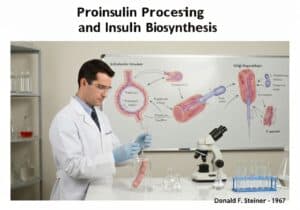
Recombinant DNA technology, also known as genetic engineering, is the process of creating artificial DNA by combining genetic material from different sources. This technology fundamentally changed biology and medicine by allowing scientists to directly manipulate the genetic code of organisms. The core procedure involves several key steps. First, a gene of interest is identified and isolated from a source organism’s DNA. This is often done using restriction enzymes, which are proteins that act like molecular scissors, cutting DNA at specific recognition sequences. Second, a vector, which is a DNA molecule used to carry the foreign genetic material into another cell, is chosen. Bacterial plasmids—small, circular DNA molecules separate from the bacterial chromosome—are the most common vectors. The same restriction enzyme used to cut out the gene is used to cut open the plasmid vector. This creates compatible ‘sticky ends’ on both the gene and the plasmid. Third, the isolated gene is inserted into the plasmid. The sticky ends of the gene anneal with the complementary sticky ends of the plasmid, and the enzyme DNA ligase is added to permanently join them by forming phosphodiester bonds. The resulting molecule is a recombinant plasmid containing the new gene. Finally, this recombinant vector is introduced into a host organism, typically a bacterium like *E. coli*, through a process called transformation. As the host cells multiply, they replicate the recombinant plasmid along with their own DNA, creating many copies of the inserted gene. The host cells can also transcribe and translate the foreign gene to produce the desired protein, such as human insulin produced in bacteria.