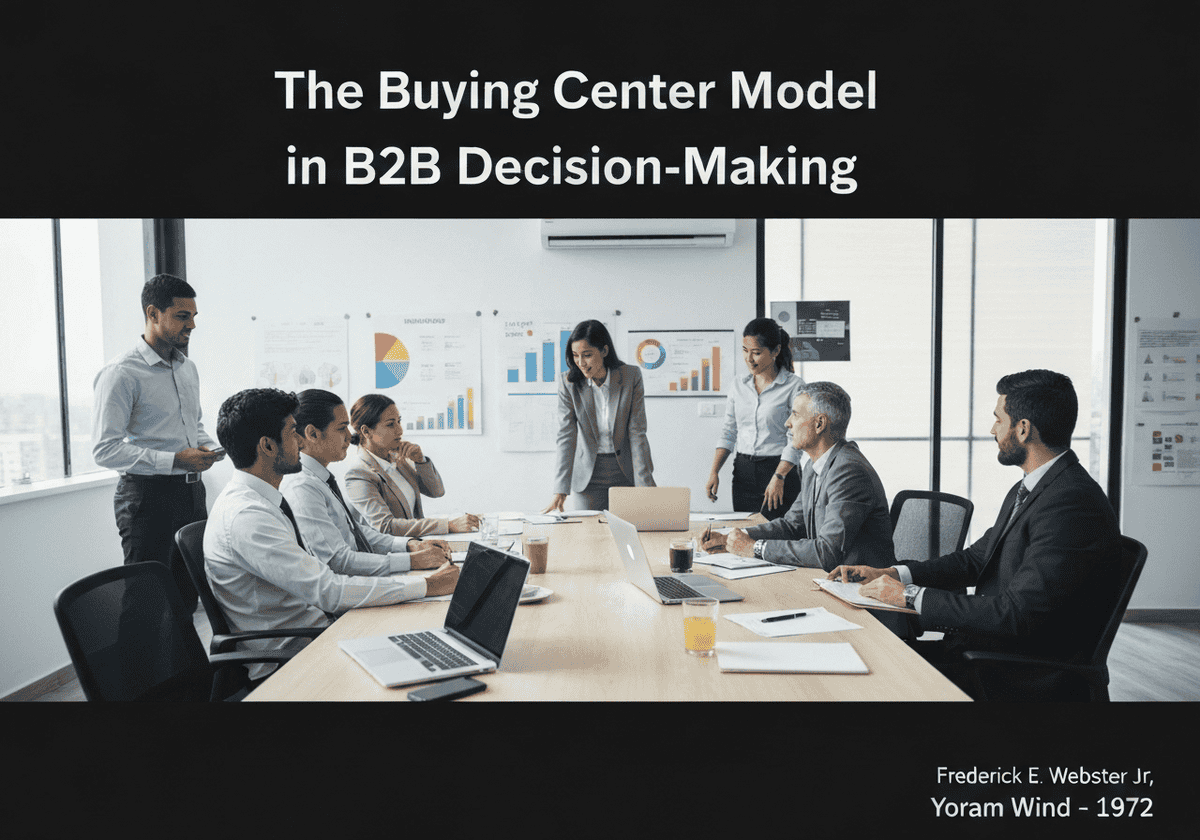
The Buying Center model, introduced by Webster and Wind, provides a framework for understanding the complex dynamics of organizational purchasing. Unlike consumer buying, which can be an individual act, B2B purchasing is a collective process. The model deconstructs this process by identifying key roles. ‘Initiators’ are those who first recognize a need. ‘Users’ are the individuals who will actually use the product or service. ‘Influencers’, often technical experts, provide information for evaluating alternatives. ‘Deciders’ have the formal or informal power to select the final supplier. ‘Approvers’ authorize the proposed actions of deciders or buyers. ‘Buyers’ have the formal authority to select the supplier and arrange the purchase terms. Finally, ‘Gatekeepers’ control the flow of information to others in the buying center, such as purchasing agents or receptionists. Understanding these roles is critical for B2B marketers. They must tailor their communication and sales strategies to address the unique concerns and motivations of each member of the buying center, rather than targeting a single decision-maker. This multi-faceted approach is essential for navigating the longer sales cycles and higher-stakes decisions typical in B2B environments.