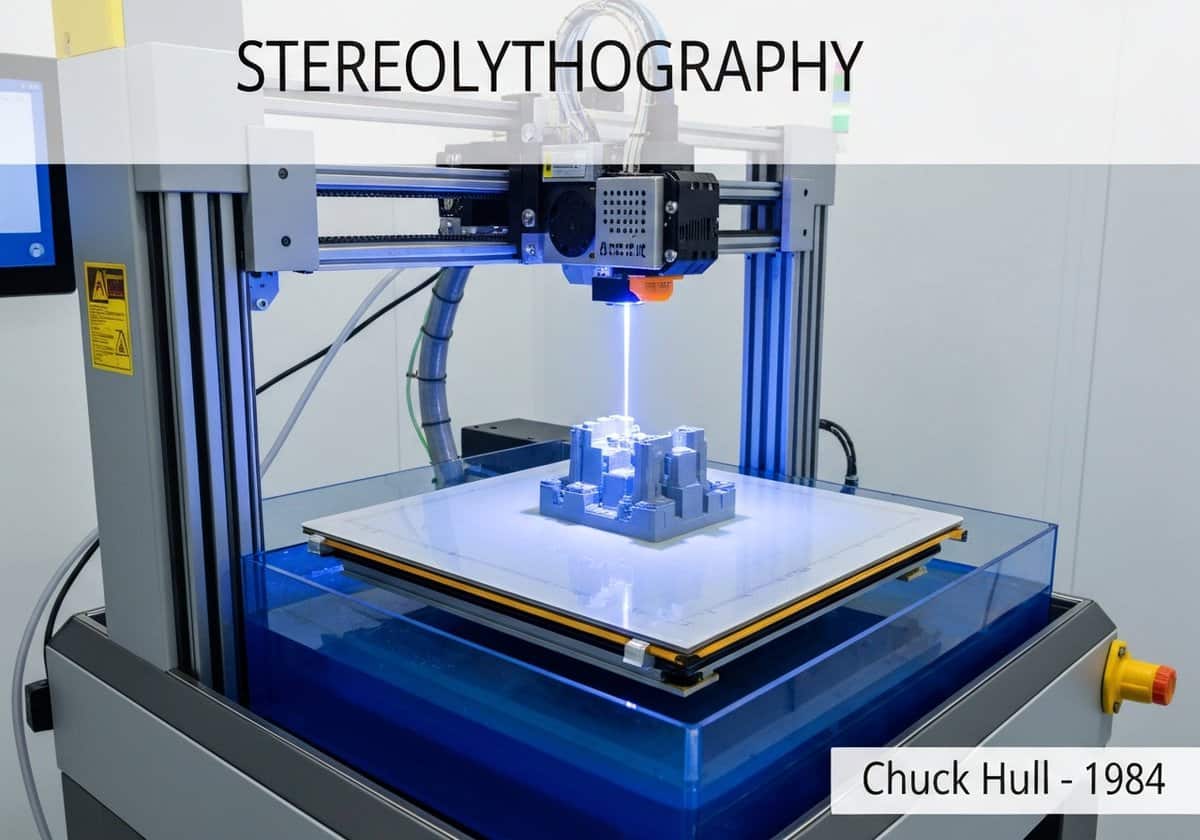
The SLA process begins with a 3D CAD model, which is sliced into thin horizontal layers. For each layer, the laser beam, directed by scanning mirrors, traces the corresponding pattern on the surface of the liquid photopolymer. The UV energy triggers a chemical reaction, polymerization, which solidifies the resin where the laser hits. After a layer is completed, the platform descends, and a recoater blade sweeps across the surface to ensure the next layer of liquid resin is smooth and of a consistent thickness. This cycle repeats until the entire object is built. Because parts are built in a liquid vat, they often require support structures to anchor them to the build platform and to support overhangs and islands. After printing, the part is removed from the machine, washed in a solvent (like isopropyl alcohol) to remove excess uncured resin, and then post-cured in a UV chamber to fully solidify the polymer and achieve its final 机械性能. SLA is known for producing parts with very high accuracy, intricate details, and a smooth surface finish, making it ideal for applications where aesthetics and precision are critical. However, the materials are often more brittle and less UV-stable than 热塑性塑料 用于其他工艺。