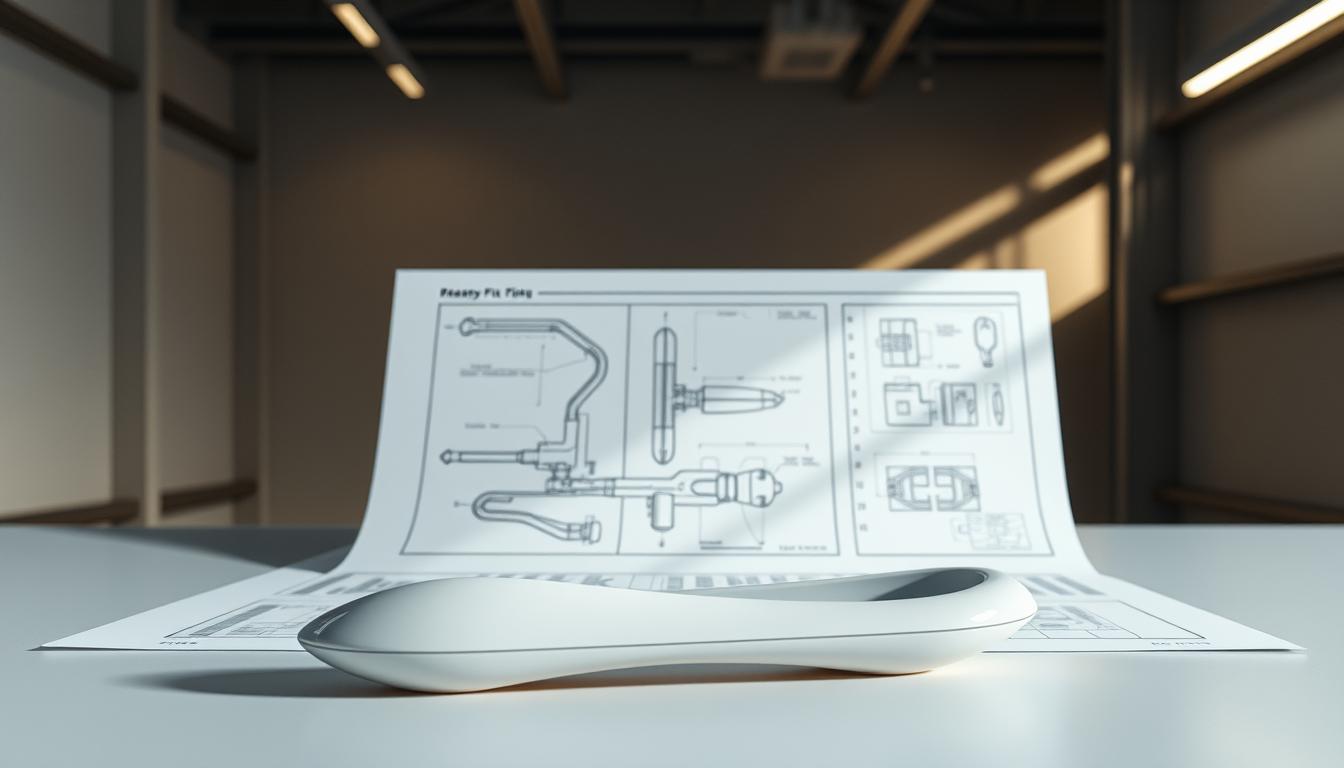
제품 실패의 약 70%가 설계 결함 때문이라는 사실을 알고 계셨습니까? 이 사실은 엔지니어링에서 형태, 적합성 및 기능 분석(FFF)의 중요성을 강조합니다. FFF 분석은 제품 개선의 핵심 단계입니다. 설계의 형태, 적합성 및 기능을 초기 단계에서 점검함으로써 기업이 신제품을 장기적으로 시장에서 성공시킬 수 있도록 돕습니다.
메모: 그것은 “과 구별되어야 합니다.형태는 기능을 따른다�8221; 또는 �8220;형태는 기능을 따른다” (also FFF) an important concept in product design and also much present innovation.world
핵심 요약
- 형태, 적합성 및 기능 분석은 설계상의 초기 결함을 파악하는 데 필수적입니다.
- FFF를 구현하면 제품 또는 시스템을 크게 최적화할 수 있습니다.
- 이 방법론은 품질 표준 준수를 보장하며 검증 및 확인(V&V) 또는 품질경영시스템(QMS)의 일부입니다.
- 향상된 호환성은 제품의 전반적인 성능과 유지 관리를 개선합니다.
- FFF와 같은 사전 예방적 엔지니어링 평가는 프로젝트 위험을 완화하는 방법 중 하나입니다.
형태, 적합성 및 기능 분석 소개
형태, 적합성 및 기능 분석은 엔지니어링 및 신제품 개발에 매우 중요합니다. 이는 부품이나 구성 요소가 설계대로 잘 만들어졌는지, 크기, 다른 부품과의 결합 방식, 그리고 작동 방식 등을 확인하는 과정입니다.
- 양식 부분: 즉, 우리는 그것의 정확한 물리적 정의를 이해한다는 뜻입니다.
- 사이즈 부분: 부품들을 얼마나 쉽게 조립할 수 있는지 살펴봅니다.
- 기능 부분: 제품의 기능과 그 기능을 얼마나 잘 수행하는지에 초점을 맞춥니다.
형태, 적합성 및 기능 분석을 활용하면 더 나은 설계 선택을 할 수 있습니다. 엔지니어는 문제를 조기에 발견할 수 있으므로 설계가 개선되고 비용이 절감됩니다.
군사 분야에서 F3 또는 FFF의 역사
군에서 3F의 역사는 신뢰성과 호환성이 매우 중요하다는 인식이 생겨난 시점으로 거슬러 올라갑니다.
이 방법은 형태, 적합성 및 기능 분석을 사용하여 핵심 부품이 엄격한 군사 표준을 충족하는 동시에 공급업체 간 및 전장에서 상호 교환 가능한지 확인합니다. 이 방법은 군사 기술과 함께 발전해 왔으며 엔지니어링 평가 방식을 개선해 왔습니다.
FFF(Fault Forward Practice, FFF)는 군용 무기, 통신 장비 및 차량에 있어 핵심적인 요소입니다. 이러한 품목들은 성능 기준을 충족하기 위해 철저한 엔지니어링 검사를 거쳐야 합니다.
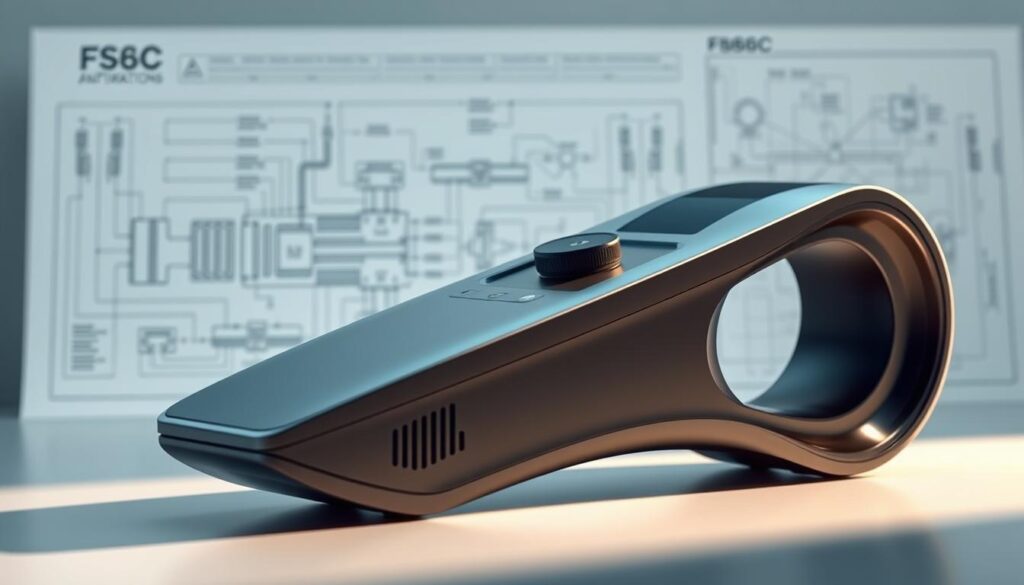
1 – The Concept of Form
The fist part of the analysis, the Form, focuses on the definition of the part itself. This includes its geometry, so as all its properties:
- Dimensional specifications: precise measurements such as length, width, height, and diameter that define the size of the component.
- Visual Appearance: surface finish, color, texture, 코팅, and other aesthetic attributes that contribute to the part’s external look.
- Material Properties: the inherent characteristics of the material used, such as hardness, elasticity, and thermal conductivity, that affect the part’s form.
Applying GD&T in Form and Fit
Geometric Dimensioning and Tolerancing, or GD&T, is a way to describe the shape and size of parts and how they fit together. It sets rules for defining what’s acceptable in design, making sure everything assembles as planned. Learning GD&T is key to creating products that look, fit, and work right.
- What is GD&T: GD&T is the normalized mechanical symbols used in design drawings and models. It tells engineers how the part is defined and the allowed changes in shape, direction, and placement of product parts. With these standard symbols, engineers can share complex ideas clearly. This makes sure parts fit together perfectly in the final product.
- Benefits of GD&T in Product Development: it makes quality control better by letting us measure things more exactly. This early detection prevents mistakes, saving time and money on fixing them later. GD&T also helps everyone involved in making a product work together more smoothly. This leads to faster production times.
The “GD part”, geometric dimensioning, of GD&T is key for the Form complete definition.
2 – The Concept of Fit
The “fit” pertains to the compatibility and interaction of a component within its full assembly:
- Interfacing compatibility: ensures that a component can physically connect or integrate with other parts, maintaining proper alignment and engagement within the assembly.
- Dimensional tolerances: involves specifying acceptable limits for variations in size and geometry, ensuring that components assemble correctly without excessive gaps or interference.
- Clearance and interference: defines the intentional spaces or overlaps between mating parts, which are critical for movement, assembly ease, and preventing mechanical binding.
All these functional interdependence valuate how the physical connection of components influences the overall performance and reliability of the system, ensuring that the assembled parts function as intended.
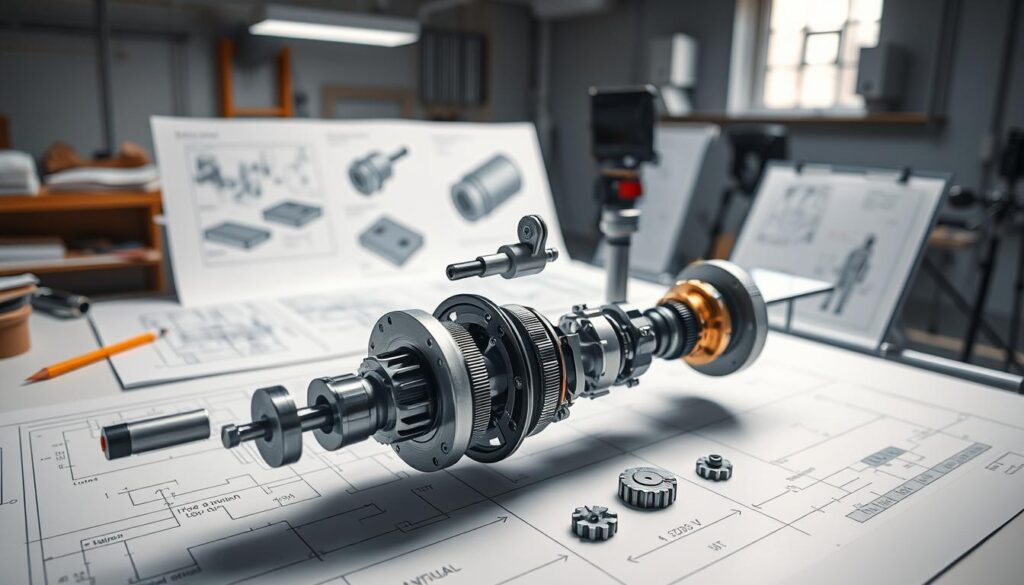
The “T” part”, tolerancing, of GD&T is key for the Fit analyses of the part in its system, so as many manufacturing aspects and quality acceptable deviations.
3 – The Concept of Function
In the context of “Form, Fit, and Function” (FFF) analysis, the “function” part refers to the specific purpose or action that the component and its assembly are designed to perform within a system:
- Operational purpose: the primary task or role that the component is intended to execute, such as transmitting power, providing insulation, or facilitating data transfer.
- Performance criteria: the measurable parameters that define the component’s effectiveness, including speed, capacity, efficiency, and reliability.
- Environmental adaptability: the component’s ability to maintain its functional performance under varying environmental conditions, such as temperature fluctuations, humidity, or exposure to chemicals, among many criteria.
- Compliance with standards: adherence to industry-specific regulations and final product standards ensure the component performs its intended function safely and effectively.
Functional Requirements
Functional requirements list the must-have features and traits a product needs to meet user and market demands. Knowing these requirements helps designers and engineers make better design decisions and establish a baseline for the last step of the FFF analysis.
Associated to requirements, the performance criteria are the product’s measurable qualities like speed, efficiency, and strength. By adding these criteria to the functional requirements, engineers and reviewers complete the analysis.
Assessing Structural Integrity and Capacity
Part of the “Function” is also checking the structural integrity and capacity is vital for dependable mechanical design. Each component needs to fit well and be strong enough to do their 직업 under different conditions. This process includes:
- 스트레스 analysis: a deep stress analysis can show where designs may weaken.
- Load testing: load tests mimic real conditions to test component limits.
- Failure mode analysis: knowing potential failure points helps refine designs for better durability.

Common Challenges in Implementing FFF Analysis
Putting Form, Fit, and Function (FFF) analysis into practice has its tough spots. Many organizations struggle with issues that lower how well this critical process works.
- Resource and time constraints: conducting thorough FFF analyses, part by part and then together, can be resource-intensive, requiring significant time and expertise, which may be constrained.
- Strong revision control: is key to doing well in FFF analysis. Without it, teams can get mixed up about document versions, leading to design parts that don’t work together. It’s important for companies to track changes carefully.
- Managing change impact: assessing how modifications affect form, fit, and function requires comprehensive impact analyses, often necessitating cross-functional collaboration to understand all potential implications. It usually leads to update the FFF analysis.
FFF for Software Development Also
In software development, the “Form, Fit, and Function” (FFF) analysis methodology, originally developed for physical product design, can also be adapted to evaluate software components’ characteristics and their compatibility within an entire software system:
- Form: this pertains to the software’s design elements, including its language, architecture, code structure, 사용자 인터페이스, and adherence to coding standards.
- Fit: this assesses the software’s ability to integrate seamlessly with other software bricks, ensuring compatibility with existing interfaces, data formats, and upstream and downstream protocols. The modern methodology of “object oriented” coding highlights this “Fit” part.
- 기능: this defines the specific tasks and operations the software is designed to perform, aligning with user requirements and system objectives.

결론
Form, Fit and Function Analysis is one of the methodologies in today’s product design and development. It helps make the design process better and ensures products are up to par. By using FFF analysis, engineers, designer, quality and manufacturing engineers understand how each part works in the complete product viewed as a system.
Related Readings
- Material properties characterization: assessing materials to ensure they meet the required functional and form specifications.
- 역설계: analyzing existing products to determine their original form, fit, and functional criteria.
- Assembly tolerance analysis: studying how individual part tolerances affect assembly fit and overall function.
- Interference and clearance: checks Ensuring that components fit together without unwanted contact or gaps.
- Ergonomic assessment: evaluating product design for user comfort, safety, and effective functionality.
- Functional testing and validation: testing products or subsystems to verify they perform intended functions under specified conditions.
- Configuration management: controlling changes to design documentation to maintain form, fit, and function integrity.
- BOM (Bill of Materials) verification: ensuring all components listed can be assembled as intended for correct fit and function.
- Design For Manufacturability (DFM): ensuring that product design accommodates efficient and reliable manufacturing.
- 3D scanning and metrology: using scanning technology for precise measurement and verification of part form and fit.
- Change impact assessment: analyzing how design changes influence the form, fit, and functional aspects of a product.
자주 묻는 질문
FFF 분석의 역사는 무엇인가요?
이는 군대에서 장비의 신뢰성과 호환성을 보장하기 위한 3F 또는 FFF 분석으로 시작되었습니다. 기술이 발전함에 따라 더욱 정교해졌고 군사 분야 외에도 그 중요성이 커졌습니다.
사용된 용어집
Bill Of Material (BOM): 제품 제조에 필요한 구성 요소, 하위 조립품 및 원자재를 수량 및 사양을 포함하여 자세히 나열한 구조화된 목록으로, 생산 계획 및 재고 관리에 사용됩니다.
Bill of Materials (BOM): 제품 제조에 필요한 구성 요소, 재료 및 수량을 자세히 나열한 종합 목록으로, 제조 및 엔지니어링 분야에서 생산 계획, 재고 관리 및 비용 추정을 용이하게 하기 위해 자주 사용됩니다.
Design for Manufacturability (DFM): 제조 공정을 단순화하고 최적화하여 생산 비용을 절감하고 품질을 향상시키며 제품 출시 기간을 최소화하기 위해 설계 단계에서 제조 능력과 제약 조건을 고려하는 것을 목표로 하는 일련의 엔지니어링 관행입니다.
Forms Follow Functions (FFF): 사물의 형태나 외관은 주로 의도된 기능이나 목적에 따라 결정되어야 하며, 미적 고려 사항보다 실용성과 사용성을 강조한다는 디자인 원칙.
Geometric Dimensioning and Tolerancing (GD&T): 기술 도면에서 기호를 사용하여 엔지니어링 공차를 정의하고 전달하는 시스템으로, 부품의 적절한 조립 및 기능을 보장하기 위해 형상, 방향, 위치 및 크기의 허용 가능한 변형을 지정합니다.
Quality Management System (QMS): 제품 및 서비스의 일관된 품질을 보장하고, 지속적인 개선을 촉진하며, 고객 및 규제 요건을 충족하기 위한 체계적인 프로세스, 절차 및 책임 시스템.
User Interface (UI): a system that enables interaction between users and software applications, encompassing visual elements, controls, and overall layout to facilitate user tasks and enhance experience.