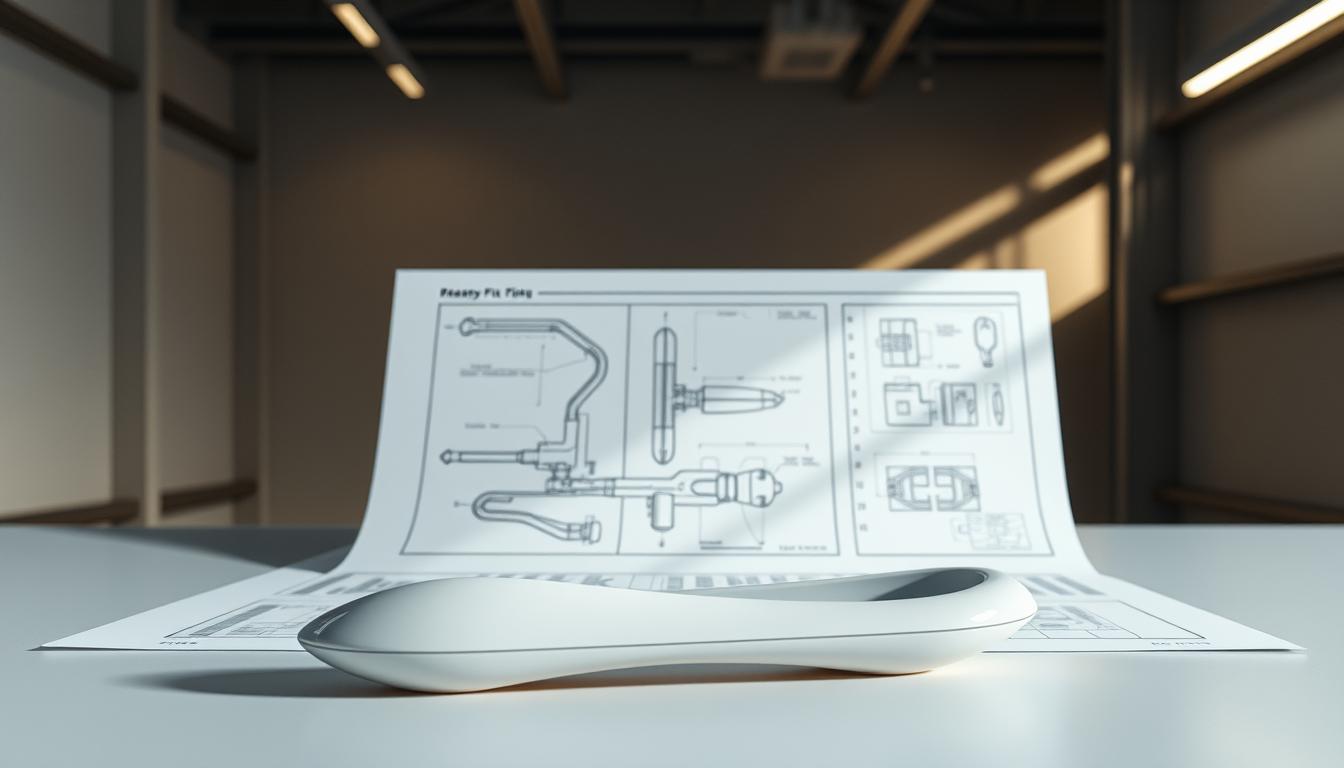
Você sabia que cerca de 70% das falhas de produtos são causadas por erros de projeto? Esse fato destaca a necessidade da Análise de Forma, Ajuste e Função (FFF) na engenharia. A análise FFF é uma etapa fundamental para o aprimoramento de produtos. Ela verifica a forma, o ajuste e as funcionalidades de um projeto desde o início. Isso ajuda as empresas a obterem sucesso com novos produtos a longo prazo no mercado.
Observação: deve ser distinguido do “Os formulários seguem a função.¬ ou ¬A forma segue a função.” (also FFF) an important concept in product design and also much present innovation.world
Principais conclusões
- A análise de forma, ajuste e função é essencial para identificar falhas de projeto em estágios iniciais.
- A implementação do FFF pode levar a uma otimização significativa do produto ou do sistema.
- A metodologia garante a conformidade com os padrões de qualidade e faz parte do V&V ou do SGQ (Sistema de Gestão da Qualidade).
- A compatibilidade aprimorada melhora o desempenho geral e a manutenção do produto.
- A avaliação proativa de engenharia, como o FFF (Flash-For-Flash), é um dos métodos para mitigar os riscos do projeto.
Introdução à análise de forma, ajuste e função
A análise de forma, ajuste e função é muito importante na engenharia e no desenvolvimento de novos produtos. Ela verifica se uma peça ou componente segue adequadamente seu projeto, analisando dimensões, como se encaixa com outras peças e como funciona.
- A parte do formulário: Significa que compreendemos sua definição física exata.
- A parte do ajuste: Analisa a facilidade com que as peças podem ser montadas.
- A parte da função: Concentra-se no que o produto faz e na qualidade da sua execução.
A análise de forma, ajuste e função ajuda a tomar melhores decisões de projeto. Os engenheiros conseguem identificar problemas precocemente. Isso significa que os projetos ficam melhores e os custos de produção diminuem.
Histórico do F3 ou FFF em aplicações militares
A história do 3F nas forças armadas remonta à época em que a confiabilidade e a intercambialidade foram identificadas como fatores vitais.
Utiliza análises de Forma, Ajuste e Função para garantir que componentes cruciais atendam a rigorosos padrões militares específicos e sejam intercambiáveis entre fornecedores e no campo de batalha. Esse método evoluiu com a tecnologia militar, aprimorando a forma como avaliamos a engenharia.
A tecnologia FFF (Flash-Field Facility) é fundamental para armas, dispositivos de comunicação e veículos militares. Esses itens precisam de verificações de engenharia rigorosas para atender aos padrões de desempenho.
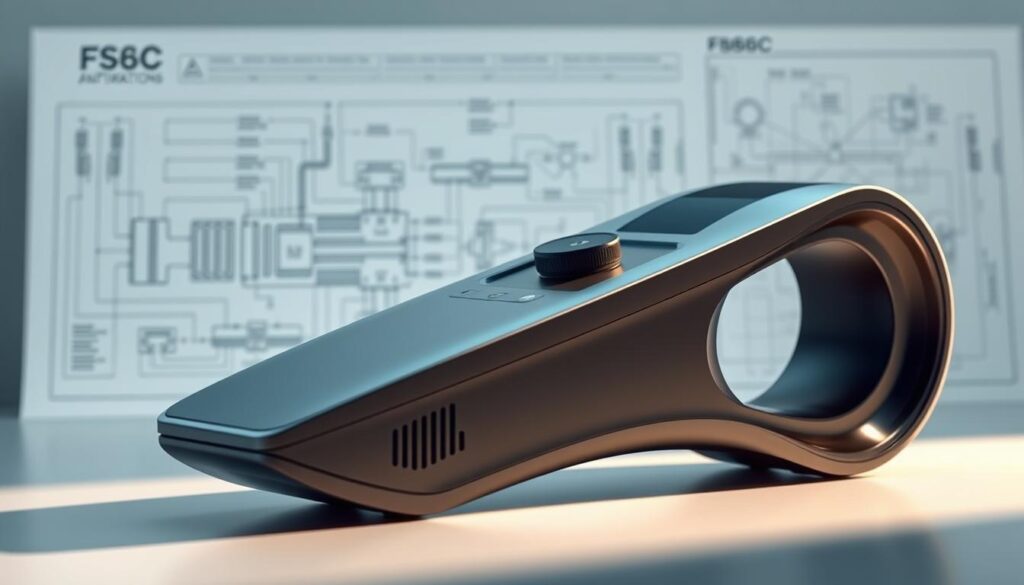
1 – The Concept of Form
The fist part of the analysis, the Form, focuses on the definition of the part itself. This includes its geometry, so as all its properties:
- Dimensional specifications: precise measurements such as length, width, height, and diameter that define the size of the component.
- Visual Appearance: surface finish, color, texture, revestimento, and other aesthetic attributes that contribute to the part’s external look.
- Material Properties: the inherent characteristics of the material used, such as hardness, elasticity, and thermal conductivity, that affect the part’s form.
Applying GD&T in Form and Fit
Geometric Dimensioning and Tolerancing, or GD&T, is a way to describe the shape and size of parts and how they fit together. It sets rules for defining what’s acceptable in design, making sure everything assembles as planned. Learning GD&T is key to creating products that look, fit, and work right.
- What is GD&T: GD&T is the normalized mechanical symbols used in design drawings and models. It tells engineers how the part is defined and the allowed changes in shape, direction, and placement of product parts. With these standard symbols, engineers can share complex ideas clearly. This makes sure parts fit together perfectly in the final product.
- Benefits of GD&T in Product Development: it makes quality control better by letting us measure things more exactly. This early detection prevents mistakes, saving time and money on fixing them later. GD&T also helps everyone involved in making a product work together more smoothly. This leads to faster production times.
The “GD part”, geometric dimensioning, of GD&T is key for the Form complete definition.
2 – The Concept of Fit
The “fit” pertains to the compatibility and interaction of a component within its full assembly:
- Interfacing compatibility: ensures that a component can physically connect or integrate with other parts, maintaining proper alignment and engagement within the assembly.
- Dimensional tolerances: involves specifying acceptable limits for variations in size and geometry, ensuring that components assemble correctly without excessive gaps or interference.
- Clearance and interference: defines the intentional spaces or overlaps between mating parts, which are critical for movement, assembly ease, and preventing mechanical binding.
All these functional interdependence valuate how the physical connection of components influences the overall performance and reliability of the system, ensuring that the assembled parts function as intended.
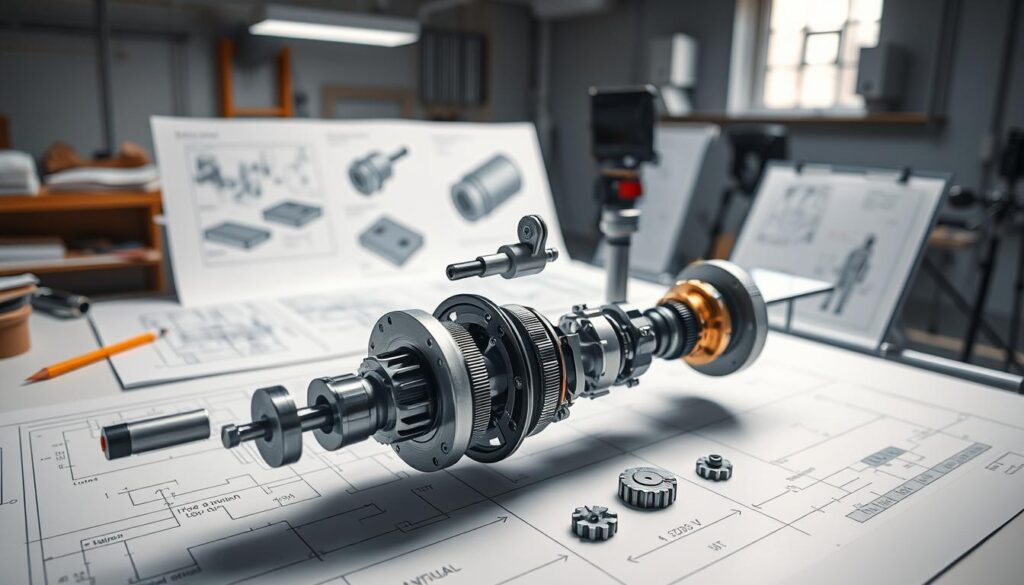
The “T” part”, tolerancing, of GD&T is key for the Fit analyses of the part in its system, so as many manufacturing aspects and quality acceptable deviations.
3 – The Concept of Function
In the context of “Form, Fit, and Function” (FFF) analysis, the “function” part refers to the specific purpose or action that the component and its assembly are designed to perform within a system:
- Operational purpose: the primary task or role that the component is intended to execute, such as transmitting power, providing insulation, or facilitating data transfer.
- Performance criteria: the measurable parameters that define the component’s effectiveness, including speed, capacity, efficiency, and reliability.
- Environmental adaptability: the component’s ability to maintain its functional performance under varying environmental conditions, such as temperature fluctuations, humidity, or exposure to chemicals, among many criteria.
- Compliance with standards: adherence to industry-specific regulations and final product standards ensure the component performs its intended function safely and effectively.
Functional Requirements
Functional requirements list the must-have features and traits a product needs to meet user and market demands. Knowing these requirements helps designers and engineers make better design decisions and establish a baseline for the last step of the FFF analysis.
Associated to requirements, the performance criteria are the product’s measurable qualities like speed, efficiency, and strength. By adding these criteria to the functional requirements, engineers and reviewers complete the analysis.
Assessing Structural Integrity and Capacity
Part of the “Function” is also checking the structural integrity and capacity is vital for dependable mechanical design. Each component needs to fit well and be strong enough to do their trabalho under different conditions. This process includes:
- Estresse analysis: a deep stress analysis can show where designs may weaken.
- Load testing: load tests mimic real conditions to test component limits.
- Failure mode analysis: knowing potential failure points helps refine designs for better durability.

Common Challenges in Implementing FFF Analysis
Putting Form, Fit, and Function (FFF) analysis into practice has its tough spots. Many organizations struggle with issues that lower how well this critical process works.
- Resource and time constraints: conducting thorough FFF analyses, part by part and then together, can be resource-intensive, requiring significant time and expertise, which may be constrained.
- Strong revision control: is key to doing well in FFF analysis. Without it, teams can get mixed up about document versions, leading to design parts that don’t work together. It’s important for companies to track changes carefully.
- Managing change impact: assessing how modifications affect form, fit, and function requires comprehensive impact analyses, often necessitating cross-functional collaboration to understand all potential implications. It usually leads to update the FFF analysis.
FFF for Software Development Also
In software development, the “Form, Fit, and Function” (FFF) analysis methodology, originally developed for physical product design, can also be adapted to evaluate software components’ characteristics and their compatibility within an entire software system:
- Form: this pertains to the software’s design elements, including its language, architecture, code structure, interface do usuário, and adherence to coding standards.
- Fit: this assesses the software’s ability to integrate seamlessly with other software bricks, ensuring compatibility with existing interfaces, data formats, and upstream and downstream protocols. The modern methodology of “object oriented” coding highlights this “Fit” part.
- Função: this defines the specific tasks and operations the software is designed to perform, aligning with user requirements and system objectives.

Conclusão
Form, Fit and Function Analysis is one of the methodologies in today’s product design and development. It helps make the design process better and ensures products are up to par. By using FFF analysis, engineers, designer, quality and manufacturing engineers understand how each part works in the complete product viewed as a system.
Related Readings
- Material properties characterization: assessing materials to ensure they meet the required functional and form specifications.
- Engenharia Reversa: analyzing existing products to determine their original form, fit, and functional criteria.
- Assembly tolerance analysis: studying how individual part tolerances affect assembly fit and overall function.
- Interference and clearance: checks Ensuring that components fit together without unwanted contact or gaps.
- Ergonomic assessment: evaluating product design for user comfort, safety, and effective functionality.
- Functional testing and validation: testing products or subsystems to verify they perform intended functions under specified conditions.
- Configuration management: controlling changes to design documentation to maintain form, fit, and function integrity.
- BOM (Bill of Materials) verification: ensuring all components listed can be assembled as intended for correct fit and function.
- Design For Manufacturability (DFM): ensuring that product design accommodates efficient and reliable manufacturing.
- 3D scanning and metrology: using scanning technology for precise measurement and verification of part form and fit.
- Change impact assessment: analyzing how design changes influence the form, fit, and functional aspects of a product.
Perguntas frequentes
Qual é a história da análise FFF?
Começou no meio militar, com a análise 3F ou FFF, para garantir que os equipamentos fossem confiáveis e intercambiáveis. Com o avanço da tecnologia, tornou-se mais refinada e crucial também fora do contexto militar.
Glossário de termos utilizados
Bill Of Material (BOM): Uma lista estruturada que detalha os componentes, subconjuntos e matérias-primas necessárias para fabricar um produto, incluindo quantidades e especificações, usada para planejamento de produção e gerenciamento de estoque.
Bill of Materials (BOM): Uma lista completa que detalha os componentes, materiais e quantidades necessários para fabricar um produto, frequentemente usada em manufatura e engenharia para facilitar o planejamento da produção, o gerenciamento de estoque e a estimativa de custos.
Design for Manufacturability (DFM): Um conjunto de práticas de engenharia voltadas para o projeto de produtos que simplificam e otimizam o processo de fabricação, reduzindo custos de produção, melhorando a qualidade e minimizando o tempo de lançamento no mercado, considerando as capacidades e restrições de fabricação durante a fase de projeto.
Forms Follow Functions (FFF): Um princípio de design que afirma que a forma ou aparência de um objeto deve ser baseada principalmente em sua função ou propósito pretendido, enfatizando a praticidade e a usabilidade em detrimento de considerações estéticas.
Geometric Dimensioning and Tolerancing (GD&T): Um sistema para definir e comunicar tolerâncias de engenharia usando símbolos em desenhos técnicos, especificando variações permitidas na forma, orientação, localização e tamanho das características para garantir a montagem e o funcionamento adequados das peças.
Quality Management System (QMS): Um sistema estruturado de processos, procedimentos e responsabilidades que visa garantir a qualidade consistente de produtos e serviços, facilitar a melhoria contínua e atender aos requisitos do cliente e às normas regulamentares.
User Interface (UI): a system that enables interaction between users and software applications, encompassing visual elements, controls, and overall layout to facilitate user tasks and enhance experience.