製品の不具合の約70%が設計上の欠陥によるものだということをご存知ですか?この事実は、エンジニアリングにおける形状・適合性・機能分析(FFF)の必要性を浮き彫りにしています。FFF分析は製品改良における重要なステップであり、設計の形状、適合性、機能性を早期に検証します。これにより、企業は新製品を長期的に市場で成功させることができます。
注記: それは“と区別されなければならない。形態は機能に従うまたは形態は機能に従う” (also FFF) an important concept in product design and also much present innovation.world
主なポイント
- 形状、適合性、機能の分析は、設計上の初期欠陥を特定するために不可欠です。
- FFFを導入することで、製品やシステムの大幅な最適化につながる可能性があります。
- この手法は品質基準への準拠を保証するものであり、検証・妥当性確認(V&V)または品質マネジメントシステム(QMS)の一部である。
- 互換性の向上により、製品全体の性能とメンテナンス性が向上します。
- FFFのような積極的なエンジニアリング評価は、プロジェクトリスクを軽減するための方法の一つです。
形状、適合性、機能分析の概要
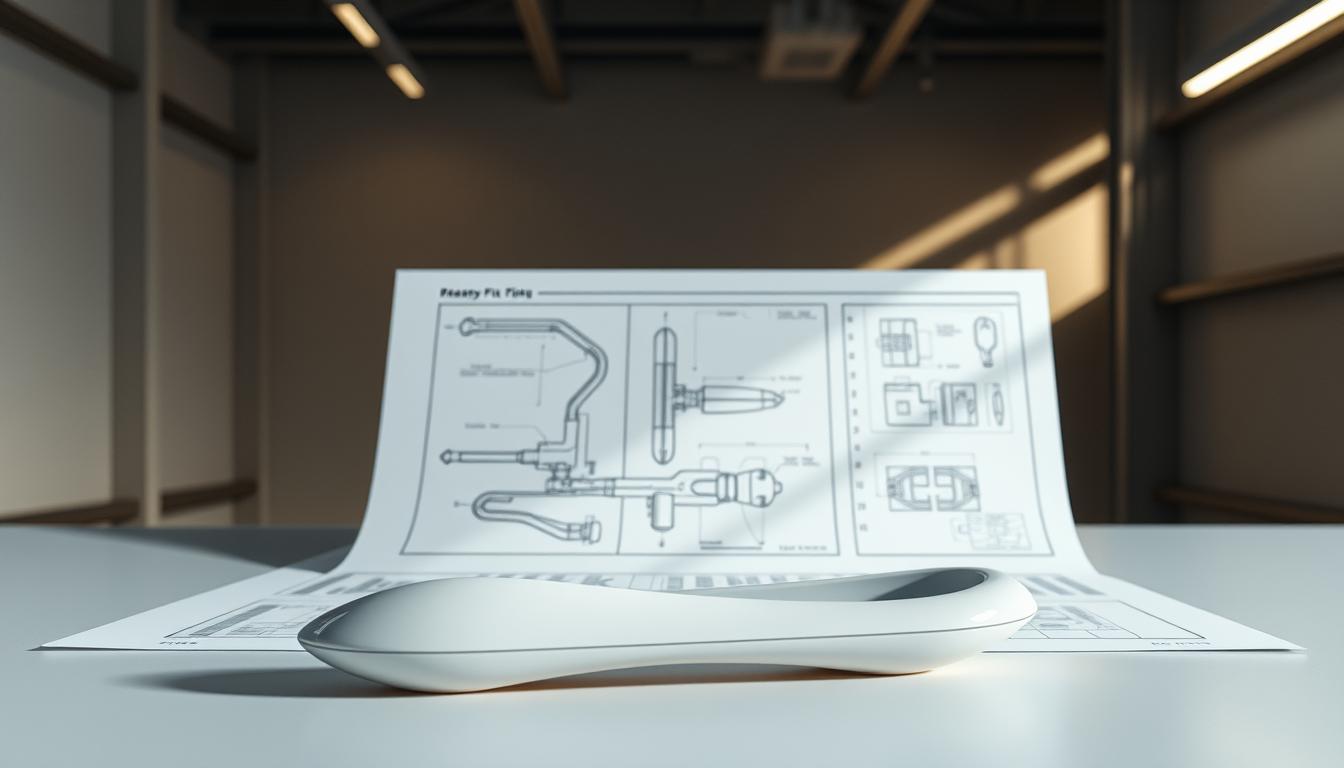
形状、適合性、機能の分析は、エンジニアリングや新製品開発において非常に重要です。部品やパーツが設計図通りに作られているか、サイズ、他の部品との接合方法、動作原理などを検証します。
- フォーム部分: つまり、私たちはその正確な物理的定義を理解しているということだ。
- フィット感について: 部品の組み立てやすさを検証する。
- 機能部分: 製品が何をするのか、そしてそれをどれだけうまくこなせるのかに焦点を当てる。
形状、適合性、機能の分析を用いることで、より良い設計選択が可能になります。エンジニアは問題を早期に発見できるため、設計の質が向上し、製造コストも削減できます。
軍事用途におけるF3またはFFFの歴史
軍事における3Fの歴史は、信頼性と互換性が極めて重要であると認識された時代にまで遡る。
この手法は、形状、適合性、機能の分析を用いて、重要な部品が厳しい軍事規格を満たし、かつ供給業者間および戦場で互換性があることを確認します。この方法は軍事技術の発展とともに進化し、エンジニアリングの評価方法を向上させてきました。
FFF(防爆性能)は、軍事における兵器、通信機器、車両にとって極めて重要です。これらの機器は、性能基準を満たすために徹底的な技術検査を受ける必要があります。
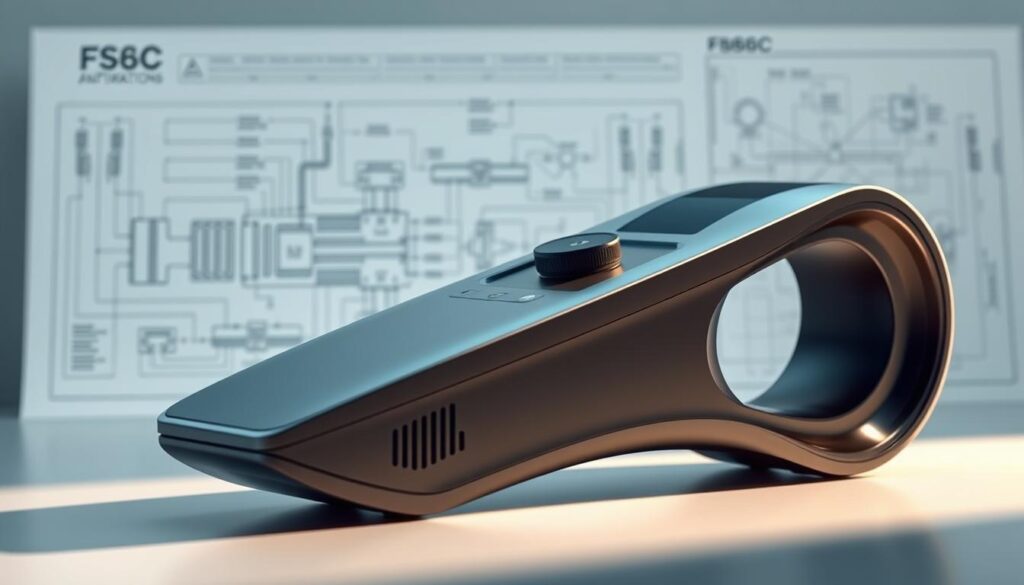
1 – The Concept of Form
The fist part of the analysis, the Form, focuses on the definition of the part itself. This includes its geometry, so as all its properties:
- Dimensional specifications: precise measurements such as length, width, height, and diameter that define the size of the component.
- Visual Appearance: surface finish, color, texture, コーティング, and other aesthetic attributes that contribute to the part’s external look.
- Material Properties: the inherent characteristics of the material used, such as hardness, elasticity, and thermal conductivity, that affect the part’s form.
Applying GD&T in Form and Fit
Geometric Dimensioning and Tolerancing, or GD&T, is a way to describe the shape and size of parts and how they fit together. It sets rules for defining what’s acceptable in design, making sure everything assembles as planned. Learning GD&T is key to creating products that look, fit, and work right.
- What is GD&T: GD&T is the normalized mechanical symbols used in design drawings and models. It tells engineers how the part is defined and the allowed changes in shape, direction, and placement of product parts. With these standard symbols, engineers can share complex ideas clearly. This makes sure parts fit together perfectly in the final product.
- Benefits of GD&T in Product Development: it makes quality control better by letting us measure things more exactly. This early detection prevents mistakes, saving time and money on fixing them later. GD&T also helps everyone involved in making a product work together more smoothly. This leads to faster production times.
The “GD part”, geometric dimensioning, of GD&T is key for the Form complete definition.
2 – The Concept of Fit
The “fit” pertains to the compatibility and interaction of a component within its full assembly:
- Interfacing compatibility: ensures that a component can physically connect or integrate with other parts, maintaining proper alignment and engagement within the assembly.
- Dimensional tolerances: involves specifying acceptable limits for variations in size and geometry, ensuring that components assemble correctly without excessive gaps or interference.
- Clearance and interference: defines the intentional spaces or overlaps between mating parts, which are critical for movement, assembly ease, and preventing mechanical binding.
All these functional interdependence valuate how the physical connection of components influences the overall performance and reliability of the system, ensuring that the assembled parts function as intended.
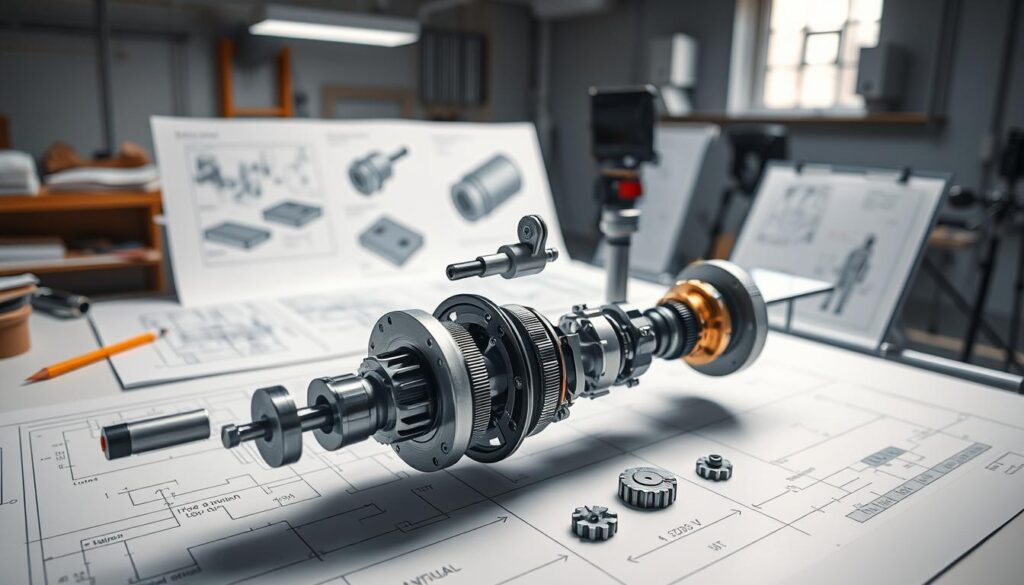
The “T” part”, tolerancing, of GD&T is key for the Fit analyses of the part in its system, so as many manufacturing aspects and quality acceptable deviations.
3 – The Concept of Function
In the context of “Form, Fit, and Function” (FFF) analysis, the “function” part refers to the specific purpose or action that the component and its assembly are designed to perform within a system:
- Operational purpose: the primary task or role that the component is intended to execute, such as transmitting power, providing insulation, or facilitating data transfer.
- Performance criteria: the measurable parameters that define the component’s effectiveness, including speed, capacity, efficiency, and reliability.
- Environmental adaptability: the component’s ability to maintain its functional performance under varying environmental conditions, such as temperature fluctuations, humidity, or exposure to chemicals, among many criteria.
- Compliance with standards: adherence to industry-specific regulations and final product standards ensure the component performs its intended function safely and effectively.
Functional Requirements
Functional requirements list the must-have features and traits a product needs to meet user and market demands. Knowing these requirements helps designers and engineers make better design decisions and establish a baseline for the last step of the FFF analysis.
Associated to requirements, the performance criteria are the product’s measurable qualities like speed, efficiency, and strength. By adding these criteria to the functional requirements, engineers and reviewers complete the analysis.
Assessing Structural Integrity and Capacity
Part of the “Function” is also checking the structural integrity and capacity is vital for dependable mechanical design. Each component needs to fit well and be strong enough to do their 仕事 under different conditions. This process includes:
- ストレス analysis: a deep stress analysis can show where designs may weaken.
- Load testing: load tests mimic real conditions to test component limits.
- Failure mode analysis: knowing potential failure points helps refine designs for better durability.

Common Challenges in Implementing FFF Analysis
Putting Form, Fit, and Function (FFF) analysis into practice has its tough spots. Many organizations struggle with issues that lower how well this critical process works.
- Resource and time constraints: conducting thorough FFF analyses, part by part and then together, can be resource-intensive, requiring significant time and expertise, which may be constrained.
- Strong revision control: is key to doing well in FFF analysis. Without it, teams can get mixed up about document versions, leading to design parts that don’t work together. It’s important for companies to track changes carefully.
- Managing change impact: assessing how modifications affect form, fit, and function requires comprehensive impact analyses, often necessitating cross-functional collaboration to understand all potential implications. It usually leads to update the FFF analysis.
FFF for Software Development Also
In software development, the “Form, Fit, and Function” (FFF) analysis methodology, originally developed for physical product design, can also be adapted to evaluate software components’ characteristics and their compatibility within an entire software system:
- Form: this pertains to the software’s design elements, including its language, architecture, code structure, ユーザーインターフェース, and adherence to coding standards.
- Fit: this assesses the software’s ability to integrate seamlessly with other software bricks, ensuring compatibility with existing interfaces, data formats, and upstream and downstream protocols. The modern methodology of “object oriented” coding highlights this “Fit” part.
- 関数: this defines the specific tasks and operations the software is designed to perform, aligning with user requirements and system objectives.

結論
Form, Fit and Function Analysis is one of the methodologies in today’s product design and development. It helps make the design process better and ensures products are up to par. By using FFF analysis, engineers, designer, quality and manufacturing engineers understand how each part works in the complete product viewed as a system.
Related Readings
- Material properties characterization: assessing materials to ensure they meet the required functional and form specifications.
- リバースエンジニアリング: analyzing existing products to determine their original form, fit, and functional criteria.
- Assembly tolerance analysis: studying how individual part tolerances affect assembly fit and overall function.
- Interference and clearance: checks Ensuring that components fit together without unwanted contact or gaps.
- Ergonomic assessment: evaluating product design for user comfort, safety, and effective functionality.
- Functional testing and validation: testing products or subsystems to verify they perform intended functions under specified conditions.
- Configuration management: controlling changes to design documentation to maintain form, fit, and function integrity.
- BOM (Bill of Materials) verification: ensuring all components listed can be assembled as intended for correct fit and function.
- Design For Manufacturability (DFM): ensuring that product design accommodates efficient and reliable manufacturing.
- 3D scanning and metrology: using scanning technology for precise measurement and verification of part form and fit.
- Change impact assessment: analyzing how design changes influence the form, fit, and functional aspects of a product.
よくある質問
FFF解析の歴史とは?
当初は軍事分野で、3FまたはFFF分析として、機器の信頼性と互換性を確保するために用いられていました。技術の進歩に伴い、軍事以外の用途においても、より洗練され、重要なものとなっていきました。
用語集
Bill Of Material (BOM): 製品の製造に必要な部品、サブアセンブリ、原材料を数量と仕様を含めて詳細に記述した構造化されたリストで、生産計画や在庫管理に使用されます。
Bill of Materials (BOM): 製品の製造に必要な部品、材料、数量を詳細に示した包括的なリスト。製造業やエンジニアリング分野で、生産計画、在庫管理、コスト見積もりを容易にするためによく用いられる。
Design for Manufacturability (DFM): 設計段階で製造能力と制約を考慮することにより、製造プロセスを簡素化および最適化し、生産コストを削減し、品質を向上させ、市場投入までの時間を最小限に抑えることを目的とした一連のエンジニアリング手法。
Forms Follow Functions (FFF): 物体の形状や外観は、主にその意図された機能や目的に基づいて決定されるべきであり、美的考慮事項よりも実用性と使いやすさを重視すべきであるという設計原則。
Geometric Dimensioning and Tolerancing (GD&T): 技術図面上の記号を用いて工学的公差を定義し伝達するシステムであり、部品の適切な組み立てと機能を確保するために、形状、向き、位置、および寸法の許容される変動を指定する。
Quality Management System (QMS): 製品およびサービスの一貫した品質を確保し、継続的な改善を促進し、顧客および規制要件を満たすことを目的とした、プロセス、手順、および責任の構造化されたシステム。
User Interface (UI): a system that enables interaction between users and software applications, encompassing visual elements, controls, and overall layout to facilitate user tasks and enhance experience.