Did you know about 70% of product failures are due to design flaws? This fact highlights the need for Form, Fit and Function Analysis (FFF) in engineering. FFF analysis is a key step in improving products. It checks a design’s form, fit, and functionalities early on. This helps companies succeed with new products in the long term in the market.
Nota: it must be distinguish from the “Forms Follow Function” or “Form Follows Function” (also FFF) an important concept in product design and also much present innovation.world
Punti Chiave
- Form, Fit and Function Analysis is essential for identifying early design flaws.
- Implementing FFF can lead to significant product or system optimization.
- The methodology ensures compliance with quality standards and is part of V&V or QMS.
- Enhanced compatibility improves overall product performance and maintenance.
- Proactive engineering evaluation, such as FFF, is one of the method to mitigates project risks.
Introduction to Form, Fit and Function Analysis
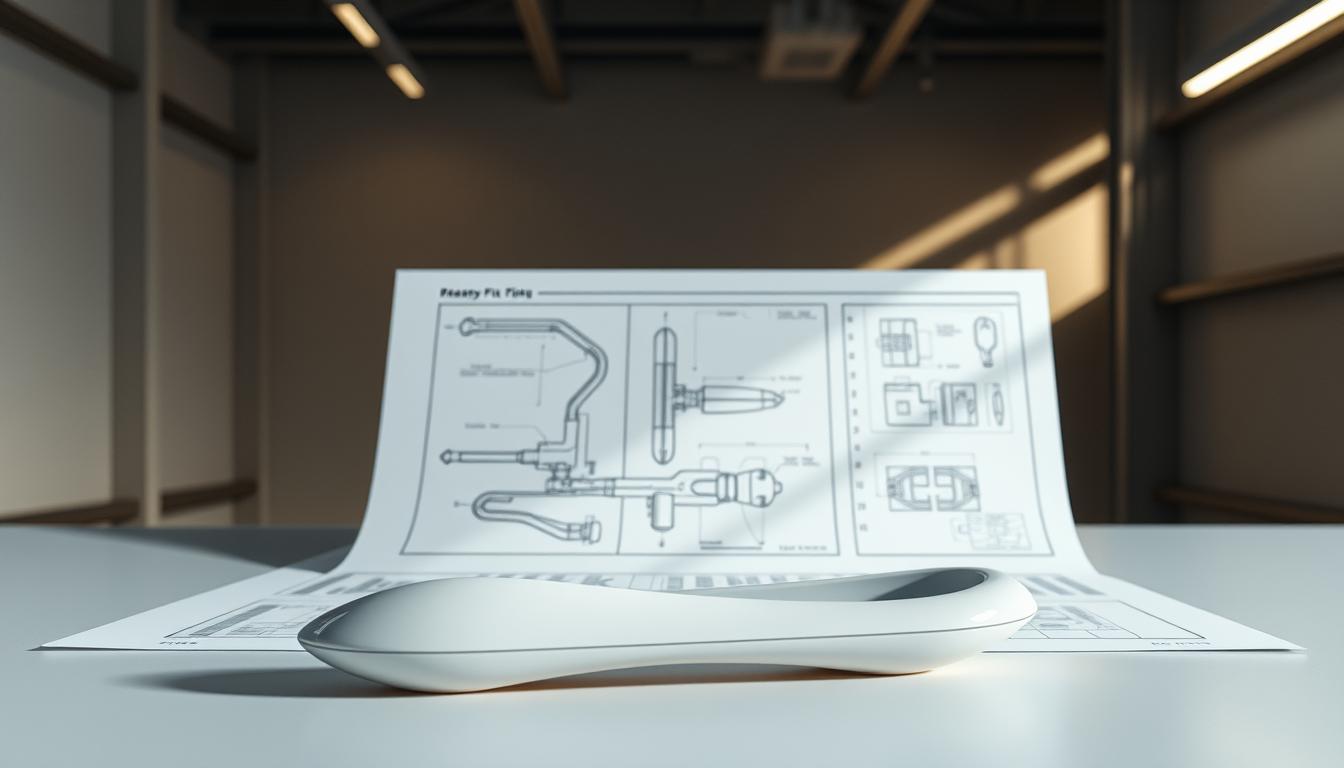
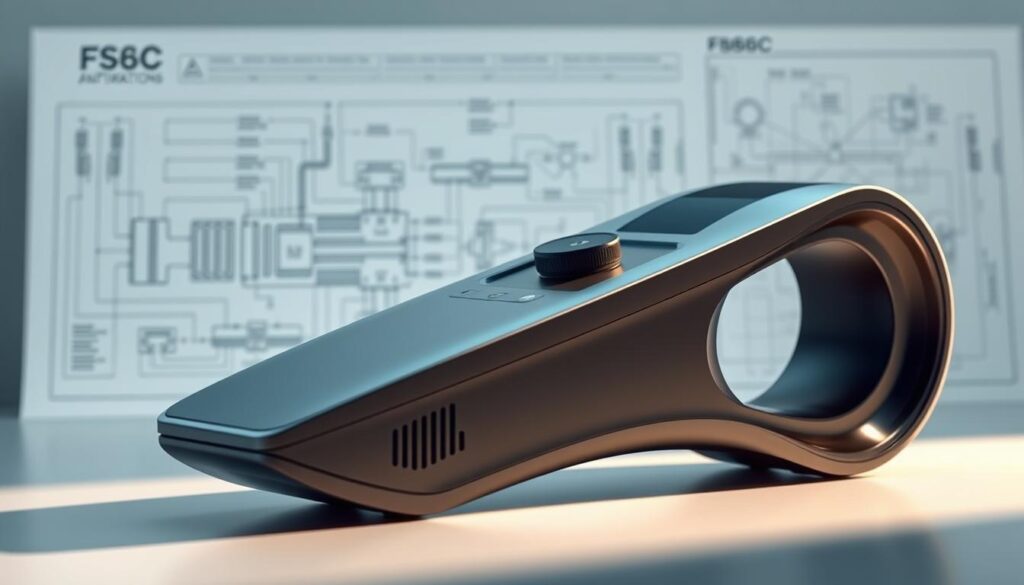
Form, Fit and Function Analysis is very important in engineering and making new products. It checks if a part or piece follows its design well, looking at size, how it joins with other parts, and how it works.
- The form part: means we understand its exact physical definition.
- The fit part: looks at how easily parts can be put together.
- The function part: focuses on what the product does and how well it does it.
Using Form, Fit and Function Analysis helps make better design choices. Engineers can spot problems early. This means designs get better and making things costs less.
History of F3 or FFF in Military Applications
The history of 3F in the military dates back to when reliability and interchangeability were identified as vital.
It uses Form, Fit, and Function analysis to make sure crucial parts meet both tough specific military standards and were interchangeable between suppliers and in the battle field. This method has grown with military tech, improving how we evaluate engineering.
FFF is key for weapons, communication devices, and vehicles in the military. These items need thorough engineering checks to meet performance standards.
1 – The Concept of Form
The fist part of the analysis, the Form, focuses on the definition of the part itself. This includes its geometry, so as all its properties:
- Dimensional specifications: precise measurements such as length, width, height, and diameter that define the size of the component.
- Visual Appearance: surface finish, color, texture, rivestimento, and other aesthetic attributes that contribute to the part’s external look.
- Material Properties: the inherent characteristics of the material used, such as hardness, elasticity, and thermal conductivity, that affect the part’s form.
Applying GD&T in Form and Fit
Geometric Dimensioning and Tolerancing, or GD&T, is a way to describe the shape and size of parts and how they fit together. It sets rules for defining what’s acceptable in design, making sure everything assembles as planned. Learning GD&T is key to creating products that look, fit, and work right.
- What is GD&T: GD&T is the normalized mechanical symbols used in design drawings and models. It tells engineers how the part is defined and the allowed changes in shape, direction, and placement of product parts. With these standard symbols, engineers can share complex ideas clearly. This makes sure parts fit together perfectly in the final product.
- Benefits of GD&T in Product Development: it makes quality control better by letting us measure things more exactly. This early detection prevents mistakes, saving time and money on fixing them later. GD&T also helps everyone involved in making a product work together more smoothly. This leads to faster production times.
The “GD part”, geometric dimensioning, of GD&T is key for the Form complete definition.
2 – The Concept of Fit
The “fit” pertains to the compatibility and interaction of a component within its full assembly:
- Interfacing compatibility: ensures that a component can physically connect or integrate with other parts, maintaining proper alignment and engagement within the assembly.
- Dimensional tolerances: involves specifying acceptable limits for variations in size and geometry, ensuring that components assemble correctly without excessive gaps or interference.
- Clearance and interference: defines the intentional spaces or overlaps between mating parts, which are critical for movement, assembly ease, and preventing mechanical binding.
All these functional interdependence valuate how the physical connection of components influences the overall performance and reliability of the system, ensuring that the assembled parts function as intended.
The “T” part”, tolerancing, of GD&T is key for the Fit analyses of the part in its system, so as many manufacturing aspects and quality acceptable deviations.
3 – The Concept of Function
In the context of “Form, Fit, and Function” (FFF) analysis, the “function” part refers to the specific purpose or action that the component and its assembly are designed to perform within a system:
- Operational purpose: the primary task or role that the component is intended to execute, such as transmitting power, providing insulation, or facilitating data transfer.
- Performance criteria: the measurable parameters that define the component’s effectiveness, including speed, capacity, efficiency, and reliability.
- Environmental adaptability: the component’s ability to maintain its functional performance under varying environmental conditions, such as temperature fluctuations, humidity, or exposure to chemicals, among many criteria.
- Compliance with standards: adherence to industry-specific regulations and final product standards ensure the component performs its intended function safely and effectively.
Functional Requirements
Functional requirements list the must-have features and traits a product needs to meet user and market demands. Knowing these requirements helps designers and engineers make better design decisions and establish a baseline for the last step of the FFF analysis.
Associated to requirements, the performance criteria are the product’s measurable qualities like speed, efficiency, and strength. By adding these criteria to the functional requirements, engineers and reviewers complete the analysis.
Assessing Structural Integrity and Capacity
Part of the “Function” is also checking the structural integrity and capacity is vital for dependable mechanical design. Each component needs to fit well and be strong enough to do their lavoro under different conditions. This process includes:
- Stress analysis: a deep stress analysis can show where designs may weaken.
- Load testing: load tests mimic real conditions to test component limits.
- Failure mode analysis: knowing potential failure points helps refine designs for better durability.

Common Challenges in Implementing FFF Analysis
Putting Form, Fit, and Function (FFF) analysis into practice has its tough spots. Many organizations struggle with issues that lower how well this critical process works.
- Resource and time constraints: conducting thorough FFF analyses, part by part and then together, can be resource-intensive, requiring significant time and expertise, which may be constrained.
- Strong revision control: is key to doing well in FFF analysis. Without it, teams can get mixed up about document versions, leading to design parts that don’t work together. It’s important for companies to track changes carefully.
- Managing change impact: assessing how modifications affect form, fit, and function requires comprehensive impact analyses, often necessitating cross-functional collaboration to understand all potential implications. It usually leads to update the FFF analysis.
FFF for Software Development Also
In software development, the “Form, Fit, and Function” (FFF) analysis methodology, originally developed for physical product design, can also be adapted to evaluate software components’ characteristics and their compatibility within an entire software system:
- Form: this pertains to the software’s design elements, including its language, architecture, code structure, user interface, and adherence to coding standards.
- Fit: this assesses the software’s ability to integrate seamlessly with other software bricks, ensuring compatibility with existing interfaces, data formats, and upstream and downstream protocols. The modern methodology of “object oriented” coding highlights this “Fit” part.
- Function: this defines the specific tasks and operations the software is designed to perform, aligning with user requirements and system objectives.

Conclusione
Form, Fit and Function Analysis is one of the methodologies in today’s product design and development. It helps make the design process better and ensures products are up to par. By using FFF analysis, engineers, designer, quality and manufacturing engineers understand how each part works in the complete product viewed as a system.
Letture correlate
- Material properties characterization: assessing materials to ensure they meet the required functional and form specifications.
- Ingegneria inversa: analyzing existing products to determine their original form, fit, and functional criteria.
- Assembly tolerance analysis: studying how individual part tolerances affect assembly fit and overall function.
- Interference and clearance: checks Ensuring that components fit together without unwanted contact or gaps.
- Valutazione ergonomica: evaluating product design for user comfort, safety, and effective functionality.
- Functional testing and validation: testing products or subsystems to verify they perform intended functions under specified conditions.
- Configuration management: controlling changes to design documentation to maintain form, fit, and function integrity.
- BOM (Bill of Materials) verification: ensuring all components listed can be assembled as intended for correct fit and function.
- Design For Manufacturability (DFM): ensuring that product design accommodates efficient and reliable manufacturing.
- 3D scanning and metrology: using scanning technology for precise measurement and verification of part form and fit.
- Change impact assessment: analyzing how design changes influence the form, fit, and functional aspects of a product.
Domande frequenti
What is the history of FFF analysis?
It started in the military, as 3F or FFF analysis, to make sure equipment was reliable and interchangeable. As technology advanced, it became more refined and crucial outside of military uses too.
Glossario dei termini utilizzati
Bill Of Material (BOM): un elenco strutturato che descrive in dettaglio i componenti, i sottoassiemi e le materie prime necessari per realizzare un prodotto, comprese quantità e specifiche, utilizzato per la pianificazione della produzione e la gestione dell'inventario.
Bill of Materials (BOM): Un elenco completo che specifica i componenti, i materiali e le quantità necessari per fabbricare un prodotto, spesso utilizzato nella produzione e nell'ingegneria per facilitare la pianificazione della produzione, la gestione delle scorte e la stima dei costi.
Design for Manufacturability (DFM): Un insieme di pratiche ingegneristiche volte a progettare prodotti che semplifichino e ottimizzino il processo produttivo, riducendo i costi di produzione, migliorando la qualità e minimizzando i tempi di immissione sul mercato, tenendo conto delle capacità e dei vincoli produttivi già in fase di progettazione.
Forms Follow Functions (FFF): un principio di progettazione che afferma che la forma o l'aspetto di un oggetto dovrebbero basarsi principalmente sulla sua funzione o scopo previsto, privilegiando la praticità e l'usabilità rispetto alle considerazioni estetiche.
Geometric Dimensioning and Tolerancing (GD&T): un sistema per definire e comunicare le tolleranze ingegneristiche utilizzando simboli su disegni tecnici, specificando le variazioni consentite nella forma, nell'orientamento, nella posizione e nelle dimensioni delle caratteristiche per garantire il corretto assemblaggio e funzionamento delle parti.
Quality Management System (QMS): un sistema strutturato di processi, procedure e responsabilità volti a garantire una qualità costante nei prodotti e nei servizi, a facilitare il miglioramento continuo e a soddisfare i requisiti normativi e dei clienti.
User Interface (UI): un sistema che consente l'interazione tra utenti e applicazioni software, comprendendo elementi visivi, controlli e layout generale per facilitare le attività dell'utente e migliorare l'esperienza.