진입 장벽이 낮은 산업일수록 수익성이 낮고 시장 점유율도 낮다는 사실을 알고 계셨나요? 이 흥미로운 점은 경쟁사를 파악하는 것이 왜 중요한지 보여줍니다. 마이클 포터는 1979년에 포터의 5가지 경쟁요인 모델을 발표했는데, 이는 전략 기획에 있어 핵심적인 도구입니다.
기업은 내부 경쟁, 신규 경쟁, 공급업체와 고객의 영향력, 대체재의 위협 등을 분석함으로써 시장을 더 잘 이해할 수 있습니다. 이는 기업이 현명한 전략을 수립하는 데 도움이 됩니다.
핵심 요약
- 포터의 5가지 경쟁요인 모델은 내부 경쟁, 신규 진입자, 공급업체와 고객의 협상력을 분석합니다.
- 경쟁 구도는 경쟁업체의 수와 산업 성장 속도와 같은 요소에 따라 달라집니다.
- 진입 장벽이 낮으면 수익이 줄어들고 시장 점유율도 낮아집니다.
- 공급업체의 영향력은 공급업체의 수와 공급업체를 바꾸는 데 드는 비용에 달려 있습니다.
- 공급업체가 많은 영향력을 행사하게 되면 기업은 더 높은 비용을 지불하고 선택의 폭이 좁아질 수 있습니다.
- 경쟁이 치열하면 이익이 줄어들 수 있습니다.
- 최저가 경쟁, 차별화, 틈새시장 공략과 같은 전략을 활용하면 기업은 경쟁에 대처하는 데 도움이 될 수 있습니다.
포터의 5가지 경쟁요인 소개
Michael Porter introduced Porter’s Five Forces in a 1979 Harvard Business Review article. It’s a strong framework for analyzing an industry’s competitiveness, highlighting five key forces. It has become vital in strategic management and crafting business strategies.
정의 및 배경
포터의 5가지 경쟁요인 분석은 산업 내 경쟁 환경을 분석합니다. 공급자 교섭력, 구매자 교섭력, 대체재의 위협, 신규 진입자의 위협, 그리고 기존 기업 간의 경쟁을 살펴봅니다. 이 분석은 기업이 경쟁 환경을 이해하고 전략을 수립하는 데 도움을 줍니다. 특히 신규 시장 진출 여부 결정 및 사업 전략 수립에 활용됩니다.
모델의 구성 요소
- 기존 경쟁업체 간의 경쟁: 이는 특정 산업 내 경쟁이 얼마나 치열한지를 측정하는 지표입니다. 연구 개발, 디지털 역량, 유통, 규제 등 여러 요소를 고려합니다.
- 신규 진입자의 위협: 이는 신규 기업이 경쟁에 뛰어들기 쉬운 정도를 평가합니다. 중요한 요소로는 규제, 브랜드 강점, 지적 재산권 요구 사항 및 규모의 경제 효과가 있습니다.
- 공급업체의 협상력: 이는 공급업체가 가격 및 조건에 대해 얼마나 통제력을 갖고 있는지를 살펴봅니다. 또한 공급업체 수, 공급업체 전환 비용, 그리고 노동자들의 단결력을 고려합니다.
- 구매자의 협상력: 이는 고객이 가격과 조건에 얼마나 큰 영향을 미칠 수 있는지를 보여줍니다. 구매자 수, 협상력, 가격 투명성 등을 고려합니다.
- 대체 제품의 위협: 이 분석은 고객이 대체 제품을 얼마나 쉽게 찾을 수 있는지를 보여줍니다. 또한 다양한 제품의 특징, 브랜드 충성도, 그리고 이용 가능한 대체재에 대해 살펴봅니다.
전략 경영에서의 관련성
Knowing Porter’s Five Forces helps with strategic management. It lets companies fully understand their industry’s competitive scene. This understanding helps companies plan strategies that match the market, find growth chances, and avoid risks. The model works best when sales, marketing, or product leaders work together on it.
내부 경쟁 이해하기
어떤 분야든 경쟁은 몇 가지 핵심 요소에 따라 달라집니다. 이러한 요소들을 자세히 연구하면 계획 수립과 의사 결정에 도움이 됩니다. 이러한 요소들은 기업들의 경쟁 방식과 시장의 본질을 결정짓습니다. 우리는 산업 내 경쟁을 촉진하는 요인들을 살펴볼 것입니다.
핵심 요소
업계 내 기업 경쟁 정도에 영향을 미치는 요인은 여러 가지가 있습니다. 이러한 요인을 파악하기 위해 기업은 경쟁사를 철저히 분석해야 합니다.
- 경쟁자 수: 경쟁자가 많아질수록 시장 점유율을 둘러싼 경쟁은 더욱 치열해집니다.
- 산업별 성장률: 빠르게 성장하는 산업은 더 많은 기업을 끌어들이고, 이는 경쟁을 심화시킨다.
- 제공 상품의 유사점: 제품이나 서비스가 비슷할 때, 차별화를 위한 경쟁은 치열해집니다.
- 출구 장벽: 높은 이탈 비용 때문에 실패하는 기업들도 계속 남아 경쟁이 더욱 치열해집니다.
사례 및 사례 연구
코카콜라와 펩시의 경쟁은 매우 잘 알려진 라이벌 관계입니다. 수년간 지속된 두 회사의 경쟁은 서로를 자극하여 혁신과 과감한 마케팅 전략을 펼치게 했습니다. 이러한 치열한 경쟁은 시장과 우리가 무엇을 구매할지에 영향을 미칩니다.
Apple 삼성의 기술 경쟁도 또 다른 좋은 예입니다. 삼성은 끊임없이 혁신하고 마케팅하며 시장 점유율을 높이려고 노력합니다. 이러한 경쟁은 새로운 기술의 탄생뿐만 아니라 트렌드와 기준을 정립하는 데에도 기여합니다.
경쟁은 기업에만 영향을 미치는 것이 아닙니다. 우리가 구매하는 제품, 가격, 그리고 시장의 건전성에도 영향을 미칩니다. 따라서 기업은 이러한 경쟁 환경에 능숙하게 대처하기 위해 업계를 면밀히 분석해야 합니다.
이러한 분석에 대한 신중한 접근 방식은 기업이 시장에서의 위치를 파악하는 데 도움이 됩니다. 또한 성장하고 개선할 수 있는 부분을 보여줍니다.
The Threat of New Entrants
New companies entering a market can hugely affect the profits and market share of existing firms. This impact is largely due to the barriers set by the industry. Barriers like economies of scale, the need for large amounts of money, distribution access, and well-known brands matter a lot.
The Five Forces model by Porter shows that high entry barriers keep new companies out. This is good for the firms already there as it keeps competition low. For example, the airline sector needs a lot of money to start.
“Barriers to entry reduce the threat of new entrants into a market.” – Michael E. Porter
On the other hand, if it’s easy and cheap to enter a market, more new companies will join. This increases competition and makes the sector less appealing for those already there. Take online retail as an example. It’s easier to start because of low upfront costs and digital market access.
Other factors, like how existing firms might react or government rules, also play a role.
Industries with loyal customers, big investments, and unique tech face fewer threats
This helps keep the competition stable and profitable for those already involved.
To stay ahead, understanding how to build and use entry barriers is key. By doing this, companies can protect their place in the market and their earnings. Below are some key factors that show if a market is easy or hard for new companies to enter:
| Indicator | High Threat of New Entrants | Low Threat of New Entrants |
|---|---|---|
| Capital Investment | 낮은 | 높은 |
| 제품 차별화 | Undifferentiated | Highly Differentiated |
| Consumer Switching Costs | 낮은 | 높은 |
| Access to Distribution Channels | Easy | Difficult |
| Proprietary Technology | 없음 | 높은 |
Supplier Bargaining Power
The power of suppliers in the industry supply chain greatly affects market dynamics and profits. It’s essential to understand what influences supplier negotiations. This knowledge helps with strategic planning and improving operations.
Influencing Factors
Several key factors play into supplier power. These factors include the number of available suppliers, how unique their supplies are, and the costs of switching suppliers.
Switching costs also play a role. When these costs are low, like in the fast food industry, it’s easier for buyers to change suppliers. This can reduce the power of suppliers.
Impact on Industry Profitability
Suppliers with more power can demand higher prices or better terms. This directly affects the profits of businesses in that sector. The oil industry, for example, struggles to keep profits up because of strong supplier negotiation power.
To deal with this, companies might combine with others or buy them out. This is to get more control over their supply chains and improve their negotiation power.
The below table shows how supplier power affects profits. It also shows how automation tools can help:
| Automation Tool | 이익 |
|---|---|
| Accounts Payable Automation | Improves efficiency by 80%, speeds financial close by 25%, reduces error rates by 66%, decreases fraud risk |
| Global Payments Automation | Offers cross-border payments to 196 countries in 120 currencies |
| Supplier Relationship Management | Enhances communication, reduces costs, and improves supplier negotiation |
| Spend Management Automation | Controls expenditures, increases efficiency |
Understanding supplier power is key for businesses to plan effectively. This helps them stay competitive and maintain their profits.
Customer Bargaining Power
Customer bargaining power greatly affects industry strategies. The number of buyers, switching costs, and product uniqueness play key roles. They decide how much buyers can influence the market.

Factors That Enhance Customer Power
When there are few buyers and many suppliers, buyer power is strong. Low switching costs and the ability to buy in bulk also boost their power.
- Number of buyers relative to suppliers: more buyers mean medium power.
- Dependence on a particular supplier: more supplier options increase buyer power.
- Switching costs: lower costs lead to higher buyer power.
- Backward integration: less backward integration keeps buyer power low.
Strategies to Mitigate Customer Power
To reduce customer power, companies have strategies. These involve improving products, customer service, and creating higher switching costs:
- Product differentiation: unique products decrease negotiation power and increase loyalty.
- Customer service enhancement: excellent service builds loyalty and discourages switching.
- Creating switching costs: higher costs prevent customers from leaving.
The table below shows factors affecting buyer power:
| 요인 | 설명 |
|---|---|
| Number of Buyers Relative to Suppliers | Buyer power grows with more buyers. |
| Dependence on a Specific Supplier | More supplier choices boost negotiation power. |
| Switching Costs | Low costs make switching easier, increasing power. |
| Backward Integration | Limited backward integration means less power. |
Understanding customer power helps spot threats and opportunities. Acting on these insights, companies can stand out and boost their profits.
Threat of Substitute Products
The threat of substitute products is about the risk from alternatives that meet the same needs. Knowing potential substitutes is key for businesses to see their competitive threat. Customer switching ease, cost, and quality are big factors in this risk.
Identifying Substitutes

To find substitute products, you need to see if other options do the same 직업. Like how video conferencing can replace business trips. If substitutes are easy to switch to, and offer better or the same quality, they pose a bigger threat.
Impact on Industry and Strategic Responses
Substitute products can really change an industry by limiting profits and market share. Let’s dive deeper:
- Cheaper substitutes: cheaper and better quality substitutes make customers more likely to switch. This challenges industries to lower prices or make their products better.
- Expensive substitutes: if substitutes cost more and aren’t as good, the threat is lower. Companies can stay ahead by innovating and connecting better with customers.
- No substitutes: without alternatives, the original product becomes more powerful. This means more profit and less need to change.
| 표준 | High Threat | Low Threat |
|---|---|---|
| Cost of Substitute | Less expensive or comparable | More expensive |
| Customer Switching Costs | 낮은 | 높은 |
| Quality and Performance | Equal or superior | Inferior |
| Availability of Substitute | Many available | Few or none available |
To handle substitute threats, companies may need big innovations, better customer relations, and smart pricing. They have to keep an eye on market trends and what customers like to keep up with substitutes.
Applying Porter’s Five Forces: A Practical Example
Applying Porter’s Five Forces framework helps understand the tech industry better. It looks at competitive rivalry, bargaining power, and the threat of new products. This way, companies like Apple and Samsung keep up with competition and innovation.
Case Study: Tech Industry
The tech industry is a battleground of innovation with giants like Microsoft and Amazon. This intense rivalry drives companies to dominate the market. Suppliers have big power because they provide essential technology and materials.
Stores like Walmart show the strong position of buyers through their pricing power. The threat of new gadgets and entry barriers also play a big role in shaping strategies.
Steps to Conduct Your Own Analysis
Doing a Porter analysis means following certain steps. It combines data and insights strategically.
- Define the industry: set clear boundaries for the industry under analysis.
- Identify key players: find out who the main competitors, suppliers, and buyers are.
- Evaluate the power of each force: look at how strong each force is. Think about things like money needed, rules, and big-scale operations.
- Draw strategic insights: finish by figuring out what the analysis means for your strategy.
Here is a table that shows specific points from the analysis:
| 요인 | 영향 | 예 |
|---|---|---|
| Competitive Rivalry | 높은 | Apple vs. Samsung |
| 공급자 파워 | 강한 | Limited high-quality chip manufacturers |
| Buyer Power | 보통의 | Retail giants like Walmart |
| Threat of New Entrants | 낮은 | High capital requirements |
| Threat of Substitutes | 높은 | Rapid technology innovation |
Alternatives to Porter’s Five Forces
Porter’s Five Forces is a key tool in strategic planning. But alternative models offer different insights. They help us look at business analysis in new ways. Let’s dive into three models: 맹렬한 공부 Analysis, PESTEL Analysis, and BCG Matrix. They give us a full picture of external factors and internal strengths.
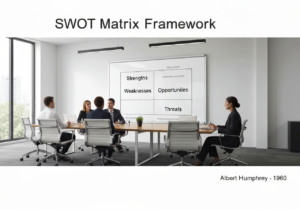
SWOT 분석
The SWOT Analysis checks a company’s internal strengths and weaknesses. It also looks at external opportunities and threats. This method is vital for planning strategies that match what a company does best with the market.
- Strengths: these are what give a company its edge.
- Weaknesses: factors that might slow a company down.
- Opportunities: chances outside the company that it can use.
- Threats: outside challenges that could cause problems.
PESTEL Analysis
PESTEL Analysis looks at Political, Economic, Social, Technological, Environmental, and Legal factors. Understanding these helps companies see the big picture that affects their plans.
- Political: rules by the government, taxes, and trading limits.
- Economic: things like inflation, jobs, and economic health.
- Social: what people are into, population facts, and shopping habits.
- Technological: new tech, inventions, and ways to automate work.
- Environmental: how to stay green, climate issues, and nature’s conditions.
- Legal: laws to follow, rules for doing business, and industry standards.
BCG Matrix
The BCG Matrix helps businesses organize their products by market growth and share. It has four quadrants to plan strategy. This makes it easier to see where to invest or cut back.
| Quadrant | 설명 |
|---|---|
| Stars | High growth, high market share. They need investment to stay on top. |
| Cash Cows | Low growth, high market share. They bring in steady money. |
| Question Marks | High growth, low market share. They need careful thought for the future. |
| Dogs | Low growth, low market share. Might cost more than they bring in. |
Using these models helps companies see the full scene. They can use their strengths and deal with outside factors well.
결론
Michael E. Porter introduced his Five Forces model in 1979. It’s a key tool for business strategy. This framework helps companies understand and manage their industry’s competitive forces.
By examining factors such as rivalry, new competitors, supplier power, and customer influence, companies can position better in the market. It helps them see where they stand.
Using Porter’s Five Forces helps businesses improve their strategy-making. For example, in markets with many competitors and similar products, rivalry is high. This insight lets companies plan how to stay profitable despite tough competition.
Also, the model suggests strategies for dealing with powerful suppliers or customers. For example, Walmart’s buying power or Unilever’s issues with suppliers show why strategies like working with more suppliers or integrating are important. Using Porter’s model, businesses can deal with risks, find new chances, and grow over time.
자주 묻는 질문
포터의 5가지 경쟁요인 모델은 어떤 구성 요소로 이루어져 있나요?
5가지 경쟁요인 모델은 시장에 진입하는 신규 경쟁업체, 고객과 공급업체의 협상력, 대체재의 위험성, 그리고 기존 경쟁업체 간의 경쟁이라는 네 가지 요소로 구성됩니다.
포터의 5가지 경쟁요인 분석 프레임워크는 전략적 경영에 어떻게 도움이 되는가?
이 프레임워크는 전략적 경영에 매우 유용합니다. 산업 경쟁을 좌우하는 요인들을 파악할 수 있게 해주며, 기업은 이를 바탕으로 시장 지위를 향상시키는 전략을 수립할 수 있습니다.
업계 내 경쟁에 영향을 미치는 요인은 무엇입니까?
산업 내부 경쟁은 기업 수, 성장률, 제품의 차별성, 그리고 추가 생산 능력의 영향을 받습니다.
산업에 신규 진입자가 위협이 된다는 것은 무엇을 의미하는가?
신규 진입은 새로운 경쟁을 의미합니다. 그들은 시장 점유율을 확보하고 가격을 낮출 수 있습니다. 시장 진입 용이성은 매우 중요한 요소입니다.
공급업체의 협상력에 영향을 미치는 요인은 무엇입니까?
공급자의 협상력은 공급자 수, 대체재 존재 여부, 제품의 독창성, 그리고 구매자에게 해당 제품이 얼마나 중요한지에 따라 결정됩니다.
공급업체의 협상력은 산업 수익성에 어떤 영향을 미칠까요?
공급업체가 주도권을 쥐게 되면 비용을 인상할 수 있습니다. 더 높은 가격이나 더 까다로운 조건을 요구하여 이윤폭을 줄일 수 있습니다.
고객의 협상력을 높이는 요인은 무엇일까요?
고객 수가 적고, 대체재가 있으며, 전환이 쉽고, 가격 변화에 민감할수록 고객은 더 큰 협상력을 갖게 됩니다.
고객의 높은 협상력을 완화할 수 있는 전략은 무엇일까요?
영향력 있는 고객을 상대하려면 차별화된 제품이나 서비스를 제공하세요. 최고 수준의 서비스로 고객 충성도를 높이고 다른 업체로 옮기기 어렵게 만드세요.
대체재란 무엇이며, 왜 경쟁에 위협이 되는가?
대체재는 동일한 요구를 충족하는 또 다른 선택지를 제공합니다. 하지만 수요를 감소시켜 가격과 수익에 영향을 미칠 수 있기 때문에 위협적인 존재입니다.
기업은 대체재의 위협에 어떻게 전략적으로 대응할 수 있을까요?
기업은 기능을 추가하고, 서비스를 개선하고, 가치와 가격 경쟁력에서 앞서 나감으로써 대체재와의 경쟁에서 우위를 점할 수 있습니다.
전략적 평가를 위한 포터의 5가지 경쟁요인 모델 외의 대안에는 어떤 것들이 있을까요?
다른 도구로는 강점, 약점, 기회 및 위협을 분석하는 SWOT 분석, 정치, 경제, 사회, 기술, 환경 및 법률적 요인을 분석하는 PESTEL 분석, 그리고 제품 성장 분석을 위한 BCG 매트릭스가 있습니다.
시장 경쟁 분석 관련 외부 링크
국제 표준
(링크 위에 마우스를 올려놓으면 콘텐츠에 대한 설명을 볼 수 있습니다.)