هل تعلم أن الصناعات ذات الدخول السهل غالباً ما تحقق أرباحاً أقل وتسيطر على سوق أقل؟ توضح هذه النقطة المثيرة للاهتمام سبب أهمية معرفة منافسيك. قدم مايكل بورتر نموذج القوى الخمس لبورتر في عام 1979. وهو أداة رئيسية للتخطيط الاستراتيجي.
من خلال النظر إلى التنافس الداخلي، والمنافسة الجديدة، وقوة الموردين والعملاء، والتهديدات البديلة، يمكن للشركات فهم سوقها بشكل أفضل. وهذا يساعدها على وضع خطط ذكية.
النقاط الرئيسية
- يحلل نموذج القوى الخمس لبورتر المنافسة الداخلية والوافدين الجدد والقدرة التفاوضية للموردين والعملاء.
- تعتمد المنافسة التنافسية على أمور مثل عدد المنافسين وسرعة نمو الصناعة.
- الدخول السهل يعني ربحاً أقل وحصة سوقية أقل.
- تتعلق قوة الموردين بعدد الموردين وتكلفة التبديل.
- عندما يكون لدى الموردين الكثير من القوة، فقد يعني ذلك ارتفاع التكاليف وقلة الخيارات أمام الشركات.
- عندما يكون هناك الكثير من التنافس، يمكن أن تتقلص الأرباح.
- يمكن أن يساعد استخدام استراتيجيات مثل أن تكون الأرخص، أو المختلف، أو التركيز على مجال معين الشركات في التعامل مع المنافسة.
مقدمة لقوى بورتر الخمس
Michael Porter introduced Porter’s Five Forces in a 1979 Harvard Business Review article. It’s a strong framework for analyzing an industry’s competitiveness, highlighting five key forces. It has become vital in strategic management and crafting business strategies.
التعريف والخلفية
يحلل تحليل القوى الخمس لبورتر المشهد التنافسي للصناعة. فهو ينظر إلى قوة الموردين، وقوة المشترين، وتهديد البدائل، وتهديد الداخلين الجدد، والمنافسة بين الشركات القائمة. وهذا يساعد الشركات على فهم المنافسة والاستراتيجية. ويُستخدم لاتخاذ قرار بشأن دخول أسواق جديدة ولوضع استراتيجيات الأعمال.
مكونات النموذج
- التنافس بين المنافسين الحاليين: يقيس مدى شراسة المنافسة في صناعة ما. فهو يأخذ في الاعتبار أشياء مثل البحث والتطوير والمهارات الرقمية والتوزيع واللوائح التنظيمية.
- تهديد الوافدين الجدد: يقيّم مدى سهولة بدء الشركات الجديدة في المنافسة. العوامل المهمة هي التنظيم، وقوة العلامة التجارية، واحتياجات الملكية الفكرية، ومزايا الحجم.
- القوة التفاوضية للموردين: وهذا ينظر في مدى تحكم الموردين في الأسعار والشروط. ويفكر في عدد الموردين، وتكاليف التبديل، ووحدة العمال.
- القوة التفاوضية للمشترين: وهذا يعكس مدى تأثير العملاء على الأسعار والشروط. فهو يأخذ في الاعتبار عدد المشترين وقدرتهم التفاوضية ومدى شفافية الأسعار.
- تهديد المنتجات البديلة: تُظهر هذه القوة مدى سهولة عثور العملاء على منتجات بديلة. وتدرس مدى اختلاف المنتجات والولاء للعلامة التجارية والبدائل المتاحة.
الأهمية في الإدارة الاستراتيجية
Knowing Porter’s Five Forces helps with strategic management. It lets companies fully understand their industry’s competitive scene. This understanding helps companies plan strategies that match the market, find growth chances, and avoid risks. The model works best when sales, marketing, or product leaders work together on it.
فهم المنافسة الداخلية
في أي مجال، تختلف المنافسة في أي مجال بناءً على بعض النقاط الرئيسية. تساعد معرفتها من خلال الدراسة التفصيلية في التخطيط واتخاذ القرارات. تشكل هذه الجوانب كيفية تنافس الشركات وطبيعة السوق. سنلقي نظرة على ما يحفز المنافسة داخل الصناعة.
العوامل الرئيسية
هناك عدة أمور تؤثر على مدى تنافس الشركات داخل صناعة ما. ولتحديد هذه الأمور، تحتاج الشركات إلى تحليل منافسيها بدقة:
- عدد المتنافسين المزيد من المنافسين يعني معارك أكثر شراسة على الحصة السوقية.
- معدلات نمو الصناعة: تجذب الصناعات سريعة النمو المزيد من الشركات، مما يزيد من المنافسة.
- أوجه التشابه في العروض: عندما تكون المنتجات أو الخدمات متشابهة، تصبح معركة التميز صعبة.
- حواجز الخروج: التكاليف المرتفعة للمغادرة تبقي الشركات الفاشلة في الداخل، مما يجعل المنافسة أشد.
أمثلة ودراسات حالة
هناك تنافس معروف بين شركتي كوكا كولا وبيبسي. فقد استمرت معركتهما لسنوات، مما دفع كل منهما إلى الابتكار والتسويق بجرأة. هذا التنافس الشديد يشكل السوق وما نختاره للشراء.
تفاحة ومعركة سامسونج في مجال التكنولوجيا مثال آخر. فهما يبتكران ويسوقان باستمرار في محاولة للاستحواذ على المزيد من السوق. هذا التنافس لا يؤدي فقط إلى تكنولوجيا جديدة ولكن أيضًا يحدد الاتجاهات والمعايير.
تؤثر المنافسة على أكثر من مجرد الشركات؛ فهي تؤثر على ما نشتريه والأسعار وصحة السوق. لذا، يجب على الشركات أن تحلل صناعتها جيدًا للتعامل بمهارة مع هذه القوى التنافسية.
يساعد النهج المدروس لهذا التحليل الشركات على معرفة موقفها في السوق. كما أنه يوضح أيضًا المجالات التي يمكن أن تنمو فيها وتتحسن.
تهديد الداخلين الجدد
يمكن للشركات الجديدة التي تدخل سوقاً ما أن تؤثر بشكل كبير على أرباح الشركات القائمة وحصتها في السوق. ويرجع هذا التأثير إلى حد كبير إلى الحواجز التي تضعها الصناعة. فالحواجز مثل وفورات الحجم، والحاجة إلى مبالغ كبيرة من المال، والوصول إلى التوزيع، والعلامات التجارية المعروفة لها أهمية كبيرة.
يُظهر نموذج القوى الخمس الذي وضعه بورتر أن حواجز الدخول العالية تمنع الشركات الجديدة من الدخول. وهذا أمر جيد للشركات الموجودة بالفعل لأنها تبقي المنافسة منخفضة. على سبيل المثال، يحتاج قطاع الطيران إلى الكثير من المال للبدء.
"الحواجز التي تحول دون دخول السوق تقلل من تهديد الداخلين الجدد إلى السوق." - مايكل إ. بورتر
من ناحية أخرى، إذا كان دخول سوق ما سهلًا ورخيصًا، سينضم المزيد من الشركات الجديدة. وهذا يزيد من المنافسة ويجعل القطاع أقل جاذبية لمن هم موجودون بالفعل. خذ البيع بالتجزئة عبر الإنترنت كمثال. من السهل البدء بسبب انخفاض التكاليف الأولية والوصول إلى السوق الرقمية.
كما تلعب عوامل أخرى، مثل كيفية رد فعل الشركات القائمة أو القواعد الحكومية، دوراً في ذلك.
تواجه الصناعات ذات العملاء المخلصين والاستثمارات الكبيرة والتكنولوجيا الفريدة من نوعها تهديدات أقل
يساعد ذلك في الحفاظ على استقرار المنافسة وربحيتها بالنسبة للمشاركين بالفعل.
للبقاء في المقدمة، فإن فهم كيفية بناء واستخدام حواجز الدخول أمر أساسي. من خلال القيام بذلك، يمكن للشركات حماية مكانتها في السوق وأرباحها. فيما يلي بعض العوامل الرئيسية التي تُظهر ما إذا كان دخول الشركات الجديدة إلى السوق سهلًا أو صعبًا:
| المؤشر | التهديد الكبير للوافدين الجدد | انخفاض تهديد الداخلين الجدد |
|---|---|---|
| استثمار رأس المال | قليل | عالي |
| تمايز المنتجات | غير متمايزة | متمايزة للغاية |
| تكاليف تبديل المستهلكين | قليل | عالي |
| الوصول إلى قنوات التوزيع | سهولة | صعب |
| تكنولوجيا الملكية | لا أحد | عالي |
القوة التفاوضية للموردين
The power of suppliers in the industry supply chain greatly affects market dynamics and profits. It’s essential to understand what influences supplier negotiations. This knowledge helps with strategic planning and improving operations.
العوامل المؤثرة
تلعب عدة عوامل رئيسية دوراً في قوة الموردين. وتشمل هذه العوامل عدد الموردين المتاحين، ومدى تميز إمداداتهم، وتكاليف تبديل الموردين.
تلعب تكاليف التبديل دورًا أيضًا. فعندما تكون هذه التكاليف منخفضة، كما هو الحال في صناعة الوجبات السريعة، يسهل على المشترين تغيير الموردين. وهذا يمكن أن يقلل من قوة الموردين.
التأثير على ربحية الصناعة
Suppliers with more power can demand higher prices or better terms. This directly affects the profits of businesses in that sector. The oil industry, for example, struggles to keep profits up because of strong supplier negotiation power.
To deal with this, companies might combine with others or buy them out. This is to get more control over their supply chains and improve their negotiation power.
The below table shows how supplier power affects profits. It also shows how automation tools can help:
| Automation Tool | فوائد |
|---|---|
| Accounts Payable Automation | Improves efficiency by 80%, speeds financial close by 25%, reduces error rates by 66%, decreases fraud risk |
| Global Payments Automation | Offers cross-border payments to 196 countries in 120 currencies |
| Supplier Relationship Management | Enhances communication, reduces costs, and improves supplier negotiation |
| Spend Management Automation | Controls expenditures, increases efficiency |
Understanding supplier power is key for businesses to plan effectively. This helps them stay competitive and maintain their profits.
Customer Bargaining Power
Customer bargaining power greatly affects industry strategies. The number of buyers, switching costs, and product uniqueness play key roles. They decide how much buyers can influence the market.

Factors That Enhance Customer Power
When there are few buyers and many suppliers, buyer power is strong. Low switching costs and the ability to buy in bulk also boost their power.
- Number of buyers relative to suppliers: more buyers mean medium power.
- Dependence on a particular supplier: more supplier options increase buyer power.
- Switching costs: lower costs lead to higher buyer power.
- Backward integration: less backward integration keeps buyer power low.
Strategies to Mitigate Customer Power
To reduce customer power, companies have strategies. These involve improving products, customer service, and creating higher switching costs:
- Product differentiation: unique products decrease negotiation power and increase loyalty.
- Customer service enhancement: excellent service builds loyalty and discourages switching.
- Creating switching costs: higher costs prevent customers from leaving.
The table below shows factors affecting buyer power:
| عامل | وصف |
|---|---|
| Number of Buyers Relative to Suppliers | Buyer power grows with more buyers. |
| Dependence on a Specific Supplier | More supplier choices boost negotiation power. |
| Switching Costs | Low costs make switching easier, increasing power. |
| Backward Integration | Limited backward integration means less power. |
Understanding customer power helps spot threats and opportunities. Acting on these insights, companies can stand out and boost their profits.
Threat of Substitute Products
The threat of substitute products is about the risk from alternatives that meet the same needs. Knowing potential substitutes is key for businesses to see their competitive threat. Customer switching ease, cost, and quality are big factors in this risk.
Identifying Substitutes

To find substitute products, you need to see if other options do the same وظيفة. Like how video conferencing can replace business trips. If substitutes are easy to switch to, and offer better or the same quality, they pose a bigger threat.
Impact on Industry and Strategic Responses
Substitute products can really change an industry by limiting profits and market share. Let’s dive deeper:
- Cheaper substitutes: cheaper and better quality substitutes make customers more likely to switch. This challenges industries to lower prices or make their products better.
- Expensive substitutes: if substitutes cost more and aren’t as good, the threat is lower. Companies can stay ahead by innovating and connecting better with customers.
- No substitutes: without alternatives, the original product becomes more powerful. This means more profit and less need to change.
| معيار | High Threat | Low Threat |
|---|---|---|
| Cost of Substitute | Less expensive or comparable | More expensive |
| Customer Switching Costs | قليل | عالي |
| Quality and Performance | Equal or superior | Inferior |
| Availability of Substitute | Many available | Few or none available |
To handle substitute threats, companies may need big innovations, better customer relations, and smart pricing. They have to keep an eye on market trends and what customers like to keep up with substitutes.
Applying Porter’s Five Forces: A Practical Example
Applying Porter’s Five Forces framework helps understand the tech industry better. It looks at competitive rivalry, bargaining power, and the threat of new products. This way, companies like Apple and Samsung keep up with competition and innovation.
Case Study: Tech Industry
The tech industry is a battleground of innovation with giants like Microsoft and Amazon. This intense rivalry drives companies to dominate the market. Suppliers have big power because they provide essential technology and materials.
Stores like Walmart show the strong position of buyers through their pricing power. The threat of new gadgets and entry barriers also play a big role in shaping strategies.
Steps to Conduct Your Own Analysis
Doing a Porter analysis means following certain steps. It combines data and insights strategically.
- Define the industry: set clear boundaries for the industry under analysis.
- Identify key players: find out who the main competitors, suppliers, and buyers are.
- Evaluate the power of each force: look at how strong each force is. Think about things like money needed, rules, and big-scale operations.
- Draw strategic insights: finish by figuring out what the analysis means for your strategy.
Here is a table that shows specific points from the analysis:
| عامل | تأثير | مثال |
|---|---|---|
| Competitive Rivalry | عالي | Apple vs. Samsung |
| قوة المورد | قوي | Limited high-quality chip manufacturers |
| Buyer Power | معتدل | Retail giants like Walmart |
| Threat of New Entrants | قليل | High capital requirements |
| Threat of Substitutes | عالي | Rapid technology innovation |
Alternatives to Porter’s Five Forces
Porter’s Five Forces is a key tool in strategic planning. But alternative models offer different insights. They help us look at business analysis in new ways. Let’s dive into three models: كدح Analysis, PESTEL Analysis, and BCG Matrix. They give us a full picture of external factors and internal strengths.
تحليل SWOT
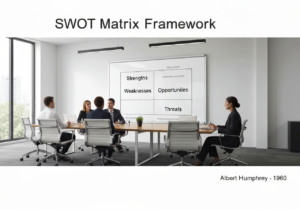
The SWOT Analysis checks a company’s internal strengths and weaknesses. It also looks at external opportunities and threats. This method is vital for planning strategies that match what a company does best with the market.
- نقاط القوة: these are what give a company its edge.
- نقاط الضعف: factors that might slow a company down.
- فرص: chances outside the company that it can use.
- التهديدات: outside challenges that could cause problems.
تحليل PESTEL
PESTEL Analysis looks at Political, Economic, Social, Technological, Environmental, and Legal factors. Understanding these helps companies see the big picture that affects their plans.
- Political: rules by the government, taxes, and trading limits.
- Economic: things like inflation, jobs, and economic health.
- Social: what people are into, population facts, and shopping habits.
- Technological: new tech, inventions, and ways to automate work.
- البيئة: how to stay green, climate issues, and nature’s conditions.
- Legal: laws to follow, rules for doing business, and industry standards.
مصفوفة BCG
The BCG Matrix helps businesses organize their products by market growth and share. It has four quadrants to plan strategy. This makes it easier to see where to invest or cut back.
| Quadrant | وصف |
|---|---|
| النجوم | High growth, high market share. They need investment to stay on top. |
| Cash Cows | Low growth, high market share. They bring in steady money. |
| Question Marks | High growth, low market share. They need careful thought for the future. |
| Dogs | Low growth, low market share. Might cost more than they bring in. |
Using these models helps companies see the full scene. They can use their strengths and deal with outside factors well.
خاتمة
Michael E. Porter introduced his Five Forces model in 1979. It’s a key tool for business strategy. This framework helps companies understand and manage their industry’s competitive forces.
By examining factors such as rivalry, new competitors, supplier power, and customer influence, companies can position better in the market. It helps them see where they stand.
Using Porter’s Five Forces helps businesses improve their strategy-making. For example, in markets with many competitors and similar products, rivalry is high. This insight lets companies plan how to stay profitable despite tough competition.
Also, the model suggests strategies for dealing with powerful suppliers or customers. For example, Walmart’s buying power or Unilever’s issues with suppliers show why strategies like working with more suppliers or integrating are important. Using Porter’s model, businesses can deal with risks, find new chances, and grow over time.
التعليمات
ما هي مكونات نموذج القوى الخمس لبورتر؟
وتتمثل أجزاء نموذج القوى الخمس في دخول منافسين جدد إلى السوق، ومدى قدرة العملاء والموردين على التفاوض، ومخاطر البدائل، والتنافس بين اللاعبين الحاليين.
كيف يساعد إطار القوى الخمس لبورتر في الإدارة الاستراتيجية؟
This framework is great for strategic management. It reveals the forces that shape industry competition. Companies can make strategies to improve their market position.
ما هي العوامل التي تؤثر على المنافسة الداخلية داخل الصناعة؟
داخل صناعة ما، تتأثر المنافسة بعدد الشركات الموجودة ومعدل النمو ومدى اختلاف المنتجات والقدرة الإضافية.
ما الذي يشكل تهديداً للوافدين الجدد في صناعة ما؟
الداخلون الجدد يعني منافسة جديدة. يمكنهم الاستيلاء على حصة السوق وخفض الأسعار. ومدى سهولة دخول السوق أمر مهم للغاية.
ما هي العوامل التي تؤثر على القوة التفاوضية للموردين؟
تتشكل قوة الموردين من خلال عدد الموردين، وما إذا كان هناك بدائل، ومدى تميز منتجاتهم، ومدى أهميتها بالنسبة للمشتري.
كيف تؤثر القوة التفاوضية للموردين على ربحية الصناعة؟
إذا كان الموردون هم من يتحكمون في التكاليف، فيمكنهم رفع التكاليف. وقد يطالبون بأسعار أعلى أو بشروط أكثر صرامة، مما يضر بهوامش الربح.
ما هي العوامل التي تعزز القدرة التفاوضية للعملاء؟
يتمتع العملاء بمزيد من القوة إذا لم يكن هناك الكثير منهم، وكانت البدائل متاحة، والتبديل سهل، وكانوا حساسين لتغيرات الأسعار.
ما هي الاستراتيجيات التي يمكن أن تخفف من قوة المساومة العالية للعملاء؟
للتعامل مع العملاء الأقوياء، قدم منتجات أو خدمات فريدة من نوعها. اجعلهم مخلصين من خلال خدمة من الدرجة الأولى واجعل من الصعب عليهم التبديل.
ما هي المنتجات البديلة، ولماذا تشكل تهديدًا تنافسيًا؟
تقدم المنتجات البديلة خيارًا آخر يلبي نفس الاحتياجات. وهي تشكل تهديداً لأنها يمكن أن تخفض الطلب، مما يؤثر على الأسعار والأرباح.
كيف يمكن للشركات أن تستجيب بشكل استراتيجي لتهديد المنتجات البديلة؟
يمكن للشركات التغلب على البدائل من خلال إضافة ميزات وتحسين الخدمة والبقاء في المقدمة من حيث القيمة والتسعير.
ما هي بعض البدائل لقوى بورتر الخمس للتقييم الاستراتيجي؟
Other tools include SWOT Analysis for strengths, weaknesses, opportunities, and threats; PESTEL Analysis for political, economic, social, tech, environmental, and legal factors; and the BCG Matrix for product growth analysis.
روابط خارجية حول التحليل التنافسي للسوق
المعايير الدولية
(حرك الرابط لرؤية وصفنا للمحتوى)