Product Design, Manufacturing & Innovation Resources
Casa » Discovery and Isolation of Insulin

Discovery and Isolation of Insulin

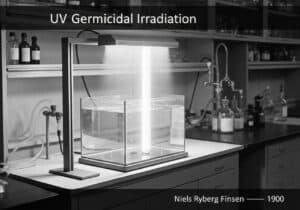
1921
  • Frederick Banting
  • Charles Best
  • John Macleod
  • James Collip
Scena di laboratorio dell'isolamento dell'insulina da parte di Banting e Best, 1921, ricerca endocrinologica.

(Immagine generata a solo scopo illustrativo)

In 1921, Frederick Banting and Charles Best, under John Macleod’s direction at the University of Toronto, isolated insulin from canine pancreatic extracts. Biochemist James Collip then developed a purification process, making the extract safe for human use. This discovery transformed type 1 diabetes from a fatal disease into a manageable condition, earning Banting and Macleod the 1923 Premio Nobel Premio.

Before 1921, a diagnosis of type 1 diabetes was a death sentence, often within months. The prevailing theory, proposed by researchers like Oskar Minkowski and Joseph von Mering in 1889, linked the pancreas to diabetes by showing that its removal in dogs induced the disease. The challenge was to isolate the specific anti-diabetic substance from the pancreas without it being destroyed by the organ’s own digestive enzymes. Frederick Banting, a young surgeon, hypothesized that ligating the pancreatic ducts would cause the enzyme-producing acinar cells to atrophy, leaving the islets of Langerhans, which he believed produced the sought-after secretion, intact. He proposed this idea to John Macleod, a prominent physiologist at the University of Toronto. Macleod was initially skeptical but provided Banting with lab space, ten dogs, and the assistance of a medical student, Charles Best. Over the summer of 1921, they successfully induced diabetes in dogs by removing their pancreas and then treated them with an extract from the degenerated pancreases of duct-ligated dogs. The extract, which they called “isletin,” effectively lowered blood glucose levels. The next crucial step was purification. Biochemist James Collip joined the team and developed a method using alcohol extraction to produce a purer, less toxic form of the extract suitable for human trials. The first human patient, 14-year-old Leonard Thompson, was successfully treated in January 1922, marking a turning point in medical history.

UNESCO Nomenclature: 2408
Biologia umana

Tipo

Procedura medica

Interruzione

Rivoluzionario

Utilizzo

Uso diffuso

Precursori

  • discovery by Oskar Minkowski and Joseph Von Mering that pancreatectomy causes diabetes (1889)
  • identification of the islets of langerhans by Paul Langerhans (1869)
  • Suggerimento di Edward Albert Sharpey-Schafer secondo cui una singola sostanza chimica del pancreas, che chiamò "insulina", era responsabile del controllo del glucosio (1916)
  • unsuccessful attempts by Georg Ludwig Zuelzer and others to create pancreatic extracts

Applicazioni

  • treatment of type 1 diabetes
  • development of various insulin formulations (short-acting, long-acting)
  • management of hyperglycemia in type 2 diabetes
  • treatment of hyperkalemia
  • foundational research in endocrinology

Brevetti:

  • US1469994

Idee e potenziali innovazioni

  • implantable insulin pumps with circuito chiuso glucose monitoring
  • oral or inhaled insulin delivery systems
  • genetically engineered beta cells for transplantation
  • smart insulin that activates only at high glucose levels
  • personalized insulin therapy based on genetic markers
  • insulin-based therapies for neurodegenerative diseases like alzheimer’s
  • non-invasive glucose monitoring technologies integrated with insulin delivery
  • insulin-secreting organoids grown from stem cells
  • targeted insulin delivery to specific tissues to reduce side effects
  • development of insulin mimetics (small molecules that activate the insulin receptor)
Argomenti correlati: scoperta dell'insulina, Banting, Macleod, J. Collip, diabete, pancreas, endocrinologia, premio Nobel.

Contesto storico

Discovery and Isolation of Insulin

1880
1900
1910
1921
1930
1930
1940
1834-01-01
1880
1902
1920
1928
1930
1940
1950

(se la data è sconosciuta o non rilevante, ad esempio "meccanica dei fluidi", viene fornita una stima approssimativa della sua notevole comparsa)

decimo anno anniversario

Le immagini a grandezza naturale e i download sono disponibili, gratuitamente al 100%, solo per gli utenti registrati.

> Login <