The 3 Pillars of Sustainability
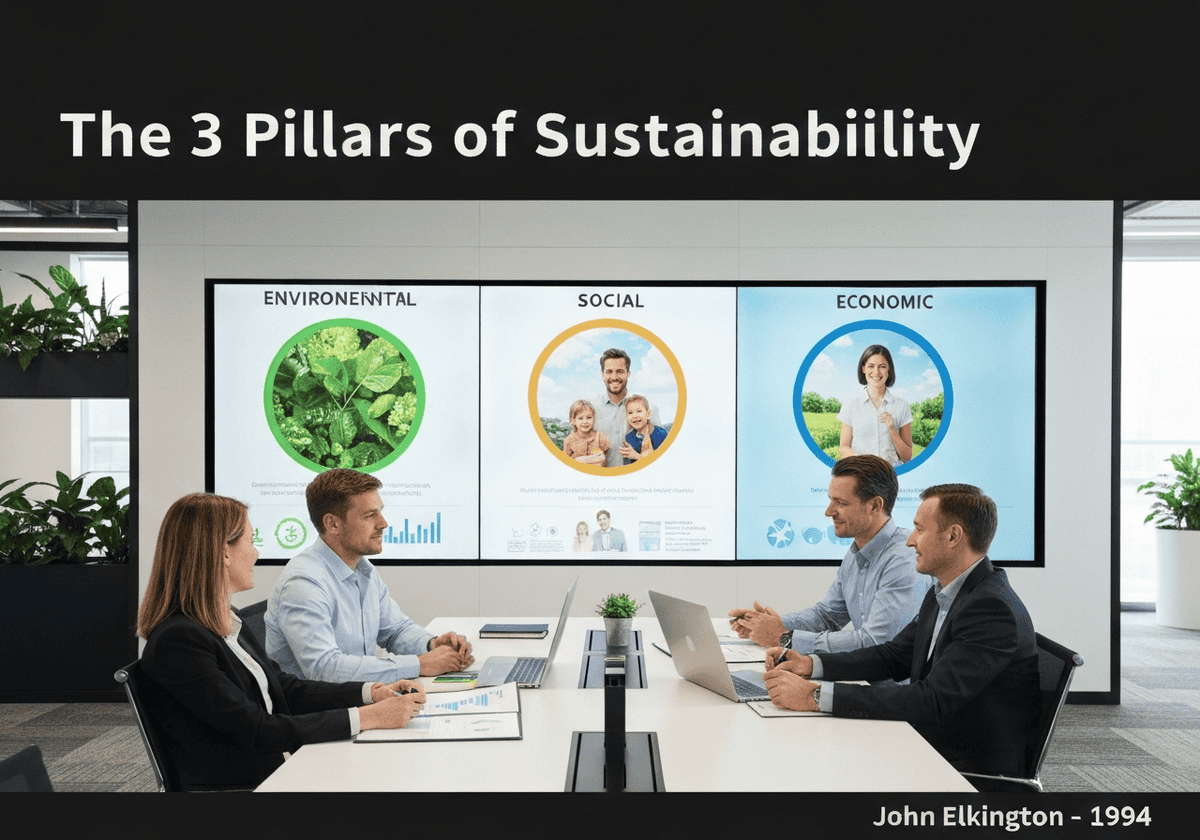
The three pillars of sustainability, also known as the triple bottom line, is a framework that posits true sustainability requires balancing three main dimensions: environmental, social, and economic. Environmental sustainability focuses on preserving natural resources and ecosystems. Social sustainability addresses equity, community well-being, and human rights. Economic sustainability ensures long-term financial viability without compromising the other two pillars.
The concept of the three pillars of sustainability emerged from a growing recognition that development could not be solely measured by economic growth. The environmental pillar, often the most emphasized, concerns the impact of human activities on natural systems. It involves managing resources like water, energy, and raw materials efficiently, minimizing pollution and waste, and protecting biodiversity. The goal is to maintain the integrity and resilience of ecological systems for future generations.
The social pillar focuses on the human dimension of sustainability. It advocates for fair and equitable treatment of all people, ensuring that development benefits communities without exploiting them. This includes issues like labor rights, social justice, community engagement, public health, and cultural preservation. A socially sustainable project or business would contribute positively to the community it operates in, fostering a high quality of life for employees and residents.
The economic pillar addresses the financial aspect, asserting that for a project or business to be sustainable, it must be economically viable. However, this viability cannot come at the expense of the other two pillars. It involves creating long-term profitability through ethical practices, efficient resource use, and innovation, rather than short-term gains that degrade environmental or social capital. The integration of these three pillars forms the basis for holistic sustainable design and policy-making, aiming for a balanced approach where people, planet, and profit can coexist harmoniously.
UNESCO Nomenclature: 3301
– Environmental sciences
Precursors
- 1972 UN Conference on the Human Environment (Stockholm Conference)
- 1987 Brundtland Report (‘Our Common Future’) defining sustainable development
- Rise of the environmental movement in the 1960s and 1970s
- Early concepts of corporate social responsibility
Applications
- corporate social responsibility (csr) reporting
- sustainable urban planning
- green building certification systems like LEED and BREEAM
- fair trade certification
- impact investing frameworks
Potential Innovations Ideas
Due to scrapping bot traffic, currently more than 40k per day, this content is reserved to community members.
> Login < or > Register < (100% free) to access this, so as all other restricted content and tools.
Related to: triple bottom line, sustainability, environmental, social, economic, corporate responsibility, sustainable development, john elkington.