Risk-Based Classification of Medical Devices
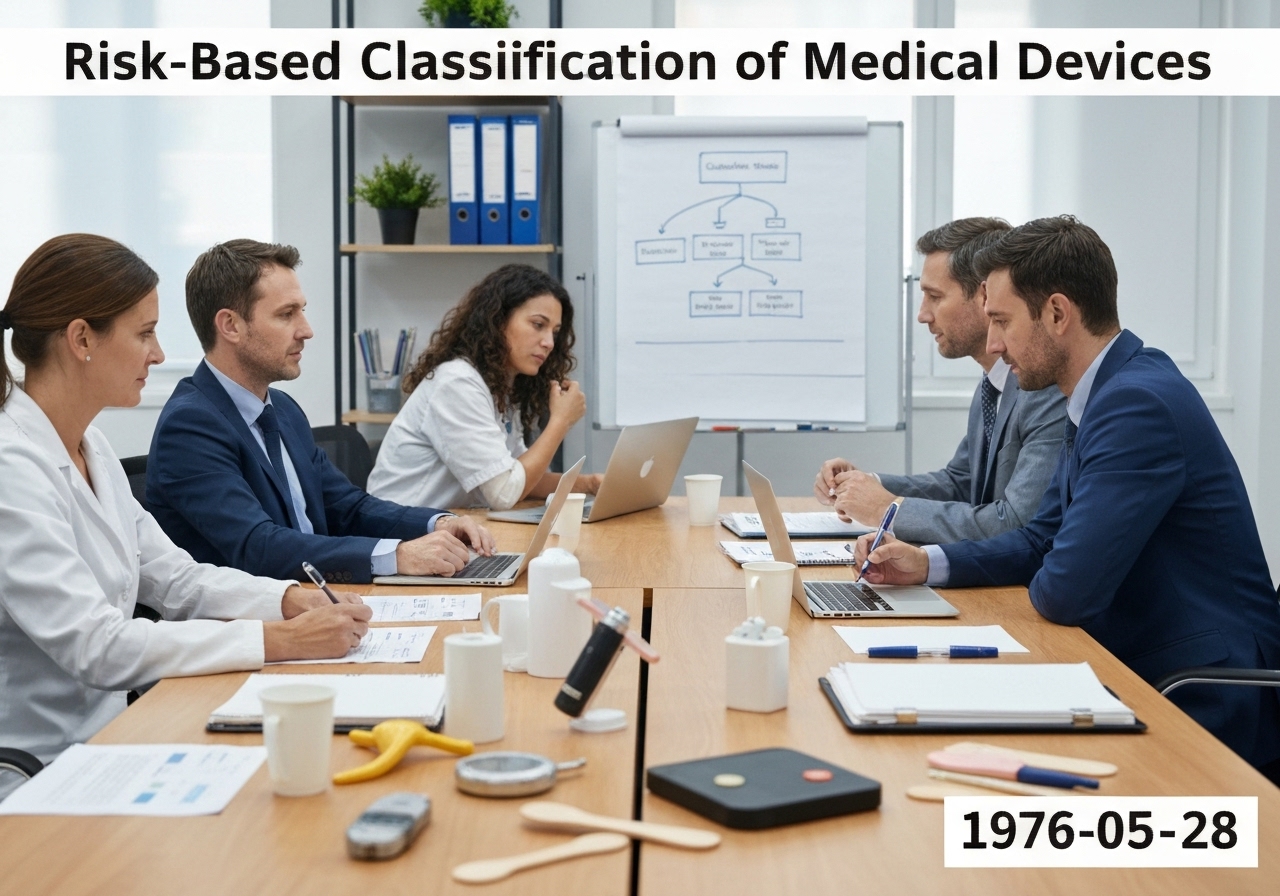
Medical devices are categorized into classes based on the risk they pose to patients and users. This risk-based approach, used by regulators like the US FDA and in the EU, typically involves three or four tiers (e.g., Class I, IIa, IIb, III). Low-risk devices like tongue depressors are Class I, while high-risk, life-sustaining devices like pacemakers are Class III.
The risk-based classification system is a cornerstone of modern medical device regulation worldwide. It acknowledges that a one-size-fits-all regulatory approach is inefficient and potentially unsafe. Instead of subjecting every device to the most stringent review, regulators tailor their oversight to the potential for harm. The classification is determined by factors such as the device’s intended use, duration of contact with the body, degree of invasiveness, and whether it delivers energy or has a biological effect.
For example, in the United States, Class I devices (e.g., elastic bandages) are subject to ‘General Controls,’ which include registration and proper labeling. Class II devices (e.g., infusion pumps, powered wheelchairs) require ‘Special Controls’ in addition to general ones, often including performance standards and premarket notification (510(k)). The highest risk category, Class III (e.g., implantable pacemakers, heart valves), requires the most rigorous ‘Premarket Approval’ (PMA), which involves submitting extensive clinical data to prove safety and effectiveness.
This tiered system allows regulatory agencies to focus their resources on devices that pose the greatest risk, while facilitating market access for lower-risk innovations. The concept was foundational to the US Medical Device Amendments of 1976 and has been adopted and adapted by regulatory bodies globally, forming the basis for frameworks like the European Union’s Medical Device Regulation (MDR).
UNESCO Nomenclature: 3201
– Public Health
Precursors
- thalidomide tragedy (highlighted need for drug regulation, which influenced device regulation)
- dalkon shield incidents (a key driver for the 1976 medical device amendments)
- development of general principles of risk management in engineering
- establishment of national health authorities (e.g., fda in 1906)
Applications
- streamlined premarket approval processes for low-risk devices
- tiered post-market surveillance requirements
- international regulatory harmonization efforts (imdrf)
- development of quality management systems like iso 13485 tailored to risk
Potential Innovations Ideas
Due to scrapping bot traffic, currently more than 40k per day, this content is reserved to community members.
> Login < or > Register < (100% free) to access this, so as all other restricted content and tools.
Related to: medical device classification, risk-based regulation, FDA class I, FDA class II, FDA class III, premarket approval, 510(k), medical device regulation, public health, safety.