Product Design, Manufacturing & Innovation Resources

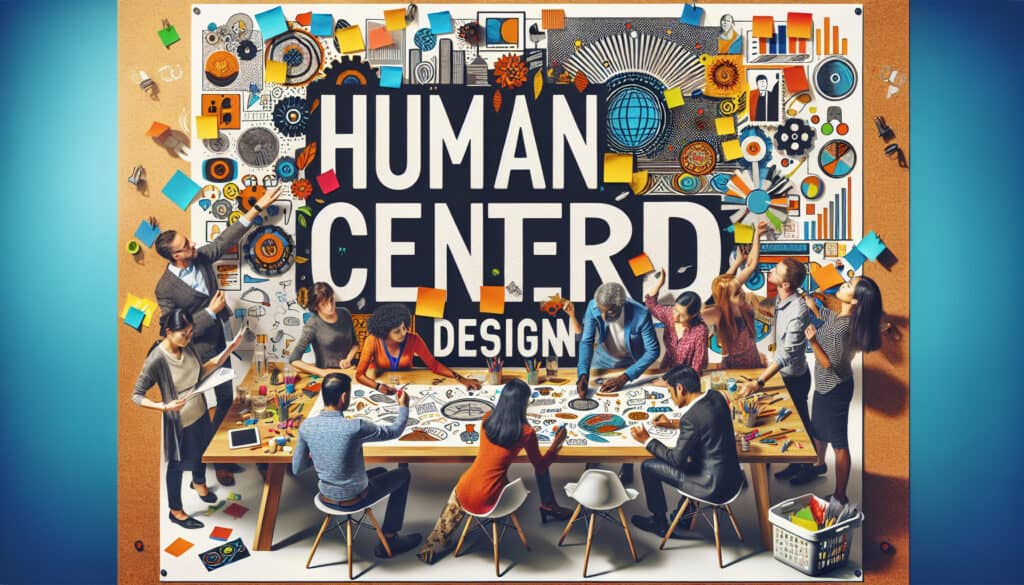
मानव-केंद्रित डिज़ाइन

मानव-केंद्रित डिज़ाइन

मानव-केंद्रित डिज़ाइन

उद्देश्य:

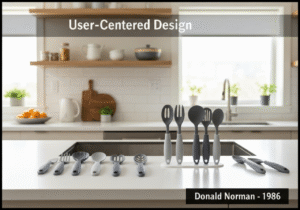
उपयोगकर्ता की आवश्यकताओं पर ध्यान केंद्रित करते हुए ऐसे उत्पाद और सेवाएं बनाना जो वांछनीय, व्यावहारिक और लाभदायक हों।

इसका उपयोग कैसे किया जाता है:

फायदे

नुकसान

श्रेणियाँ:

इसके लिए सबसे अच्छा:

मानव-केंद्रित डिज़ाइन is frequently utilized across various industries, including consumer electronics, automotive, healthcare, and educational tools, as it actively engages end-users throughout the design process. Its application is particularly valuable during the early phases of product development, where user research and contextual inquiries reveal specific challenges that users face, allowing designers to understand user pain points and aspirations. Participants in this methodology typically include cross-functional teams composed of designers, engineers, product managers, and end-users, fostering collaboration that enriches the ideation stage with diverse perspectives. This iterative cycle of prototyping and testing emphasizes feedback collection at multiple stages, ensuring that the solutions not only address user needs effectively but also provide a smooth and gratifying experience. Industries such as healthcare have adopted Human-Centered Design to create medical devices that enhance patient उपयोगिता, while tech companies use it to develop intuitive software interfaces. The encouragement of iterative testing can lead to innovations that are both tailored and relevant, providing a competitive advantage to organizations committed to placing users at the forefront of their development processes. Engaging with stakeholders and users during this exploration enables the identification of unforeseen opportunities for innovation, ultimately refining products and services that resonate well with intended audiences.

इस पद्धति के प्रमुख चरण

  1. उपयोगकर्ताओं की जरूरतों और समस्याओं को समझने के लिए उपयोगकर्ता अनुसंधान करें।
  2. उपयोगकर्ताओं द्वारा प्राप्त निष्कर्षों के आधार पर, समाधान किए जाने वाले मुख्य समस्याओं को परिभाषित करें।
  3. परिभाषित समस्याओं का समाधान करने वाली कई अवधारणाओं पर विचार करें।
  4. अवधारणाओं को दृश्यमान बनाने के लिए लो-फिडेलिटी प्रोटोटाइप बनाएं।
  5. उपयोगकर्ताओं से प्रतिक्रिया प्राप्त करने और उनके उपयोग का अवलोकन करने के लिए प्रोटोटाइप का परीक्षण उपयोगकर्ताओं के साथ करें।
  6. उपयोगकर्ता की प्रतिक्रिया और परीक्षण परिणामों के आधार पर समाधानों को परिष्कृत करें।
  7. उन्नत परीक्षण के लिए उच्च-गुणवत्ता वाले प्रोटोटाइप विकसित करें।
  8. अंतिम डिजाइन को उपयोगकर्ताओं के साथ मान्य करने के लिए आगे के परीक्षण करें।
  9. उत्पादन से पहले डिजाइन में संशोधन लागू करें।
  10. उपयोगकर्ताओं से मिल रही निरंतर प्रतिक्रिया के आधार पर आवश्यकतानुसार डिजाइन प्रक्रिया को दोहराएं।

प्रो टिप्स

  • छिपी हुई उपयोगकर्ता समस्याओं और प्रेरणाओं को उजागर करने के लिए शैडोइंग या डायरी अध्ययन जैसी गहन तकनीकों का उपयोग करें।
  • सह-निर्माण कार्यशालाओं का उपयोग करें जो जुड़ते हैं डिजाइन प्रक्रिया में उपयोगकर्ताओं और हितधारकों की भागीदारी को बढ़ाना, आईडिया जनरेशन और सत्यापन।
  • प्रत्यक्ष इनपुट के आधार पर प्रोटोटाइप को परिष्कृत करने और उपयोगकर्ता इंटरैक्शन की गुणवत्ता को बढ़ाने के लिए एकीकृत फीडबैक लूप के साथ तीव्र पुनरावृति चक्रों को लागू करें।

विभिन्न पद्धतियों को पढ़ने और उनकी तुलना करने के लिए, हम अनुशंसा करते हैं

> व्यापक कार्यप्रणाली भंडार  <
अन्य 400 से अधिक पद्धतियों के साथ।

इस कार्यप्रणाली पर आपकी टिप्पणियाँ या अतिरिक्त जानकारी का स्वागत है। नीचे टिप्पणी अनुभाग देखें ↓ , साथ ही इंजीनियरिंग से संबंधित कोई भी विचार या लिंक।

ऐतिहासिक संदर्भ

1941
1986
1990
2000
1950
1990
1990

(यदि तिथि अज्ञात है या प्रासंगिक नहीं है, उदाहरण के लिए "द्रव यांत्रिकी", तो इसके उल्लेखनीय उद्भव का एक अनुमानित आंकड़ा प्रदान किया गया है)


नवीनतम परिवर्धन

शीर्ष पोस्ट और लेख

शीर्ष मूल उपकरण

10वां वर्ष सालगिरह

पंजीकृत सदस्यों के लिए पूर्ण आकार की छवियाँ और डाउनलोड 100% निःशुल्क उपलब्ध हैं।