디자인 사고, 인간 중심 디자인, 아이디어 구상, Interaction Design, 프로토타이핑, 사용성, 사용성 테스트, 사용자 경험(UX), 사용자 인터페이스(UI)
목적:
사용자의 요구에 집중하여 바람직하고, 실현 가능하며, 지속 가능한 제품과 서비스를 만드는 것.
사용 방법:
안 반복적인 디자인 사용자 니즈를 이해하는 것에서 시작하여 그 니즈를 충족하는 솔루션을 개발하는 과정입니다. 공감, 아이디어 구상, 프로토타입 제작, 테스트를 통해 기능적일 뿐만 아니라 사용하기에도 즐거운 제품을 만들어냅니다.
장점
더욱 성공적이고 사용자 친화적인 제품으로 이어지며, 사용자에 대한 공감과 깊은 이해를 증진시킵니다.
단점
시간이 많이 소요되고 상당한 사용자 조사가 필요할 수 있으며, 사용자 요구와 비즈니스 목표 사이의 균형을 맞추기 어려울 수 있습니다.
카테고리:
아이디어 구상, 제품 디자인
다음과 같은 경우에 가장 적합합니다:
목표 고객의 요구를 진정으로 충족하는 혁신적인 제품과 서비스를 개발합니다.
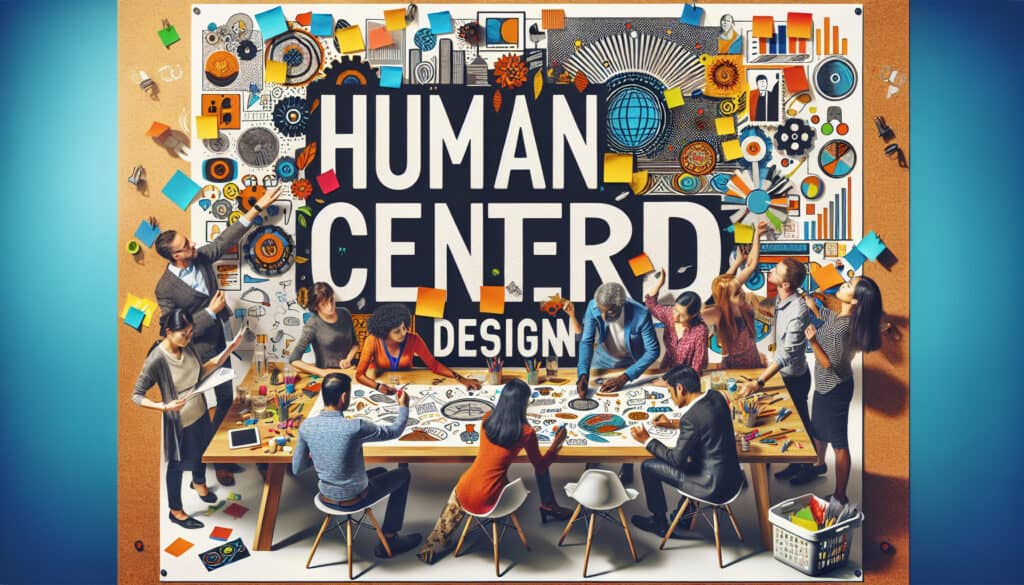
Human-Centered Design is frequently utilized across various industries, including consumer electronics, automotive, healthcare, and educational tools, as it actively engages end-users throughout the design process. Its application is particularly valuable during the early phases of product development, where user research and contextual inquiries reveal specific challenges that users face, allowing designers to understand user pain points and aspirations. Participants in this methodology typically include cross-functional teams composed of designers, engineers, product managers, and end-users, fostering collaboration that enriches the ideation stage with diverse perspectives. This iterative cycle of prototyping and testing emphasizes feedback collection at multiple stages, ensuring that the solutions not only address user needs effectively but also provide a smooth and gratifying experience. Industries such as healthcare have adopted Human-Centered Design to create medical devices that enhance patient 사용성, while tech companies use it to develop intuitive software interfaces. The encouragement of iterative testing can lead to innovations that are both tailored and relevant, providing a competitive advantage to organizations committed to placing users at the forefront of their development processes. Engaging with stakeholders and users during this exploration enables the identification of unforeseen opportunities for innovation, ultimately refining products and services that resonate well with intended audiences.
이 방법론의 주요 단계
사용자 조사를 실시하여 요구 사항과 문제점을 파악하십시오.
사용자 조사 결과를 바탕으로 해결해야 할 핵심 문제를 정의합니다.
정의된 문제점을 해결하는 다양한 아이디어를 구상하십시오.
개념을 시각화하기 위해 저해상도 프로토타입을 제작하세요.
사용자와 함께 프로토타입을 테스트하여 피드백을 수집하고 사용 방식을 관찰합니다.
사용자 피드백과 테스트 결과를 바탕으로 솔루션을 개선합니다.
정밀한 테스트를 위한 고품질 프로토타입을 개발하십시오.
최종 디자인의 유효성을 검증하기 위해 사용자 대상 추가 테스트를 실시하십시오.
생산 전에 설계 수정 사항을 적용하십시오.
사용자 피드백을 바탕으로 필요에 따라 디자인 프로세스를 반복합니다.
프로 팁
사용자 관찰이나 일기 연구와 같은 몰입형 기법을 활용하여 숨겨진 사용자 불편 사항과 동기를 파악하십시오.
공동 창작 워크숍을 활용하세요 관계를 맺다 사용자와 이해관계자가 디자인 과정에 참여함으로써 아이디어 생성 및 검증을 강화합니다.
피드백 루프가 통합된 빠른 반복 주기를 구현하여 직접적인 입력을 기반으로 프로토타입을 개선하고 사용자 상호 작용 품질을 향상시키세요.