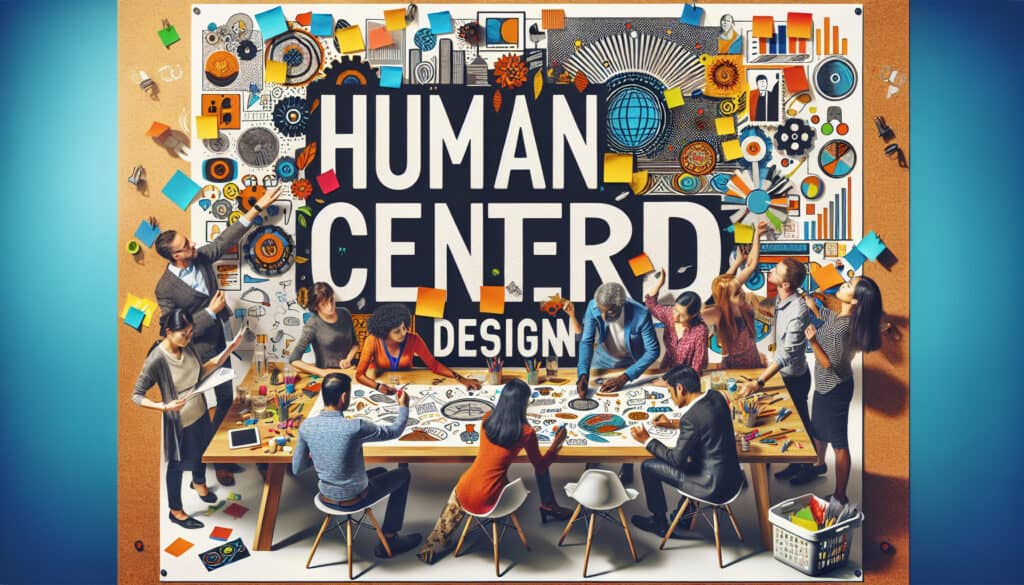
Human-Centered Design is frequently utilized across various industries, including consumer electronics, automotive, healthcare, and educational tools, as it actively engages end-users throughout the design process. Its application is particularly valuable during the early phases of product development, where user research and contextual inquiries reveal specific challenges that users face, allowing designers to understand user pain points and aspirations. Participants in this methodology typically include cross-functional teams composed of designers, engineers, product managers, and end-users, fostering collaboration that enriches the ideation stage with diverse perspectives. This iterative cycle of prototyping and testing emphasizes feedback collection at multiple stages, ensuring that the solutions not only address user needs effectively but also provide a smooth and gratifying experience. Industries such as healthcare have adopted Human-Centered Design to create medical devices that enhance patient 可用性, while tech companies use it to develop intuitive software interfaces. The encouragement of iterative testing can lead to innovations that are both tailored and relevant, providing a competitive advantage to organizations committed to placing users at the forefront of their development processes. Engaging with stakeholders and users during this exploration enables the identification of unforeseen opportunities for innovation, ultimately refining products and services that resonate well with intended audiences.