التفكير التصميمي, التصميم المرتكز على الإنسان, التفكير, تصميم التفاعل, النموذج الأولي, سهولة الاستخدام, اختبار قابلية الاستخدام, تجربة المستخدم (UX), واجهة المستخدم (UI)
Objective:
To create products and services that are desirable, feasible, and viable by focusing on the needs of the user.
How it’s used:
An التصميم التكراري process that starts with understanding the needs of the user and then develops solutions to meet those needs. It involves empathy, ideation, prototyping, and testing to create products that are not only functional but also enjoyable to use.
الايجابيات
understanding of mitochondrial respiration and the electron transport chain
سلبيات
invention of the spectrophotometer
Categories:
التفكير, تصميم المنتج
الأفضل لـ:
use of tetrazolium salts as redox indicators in histology
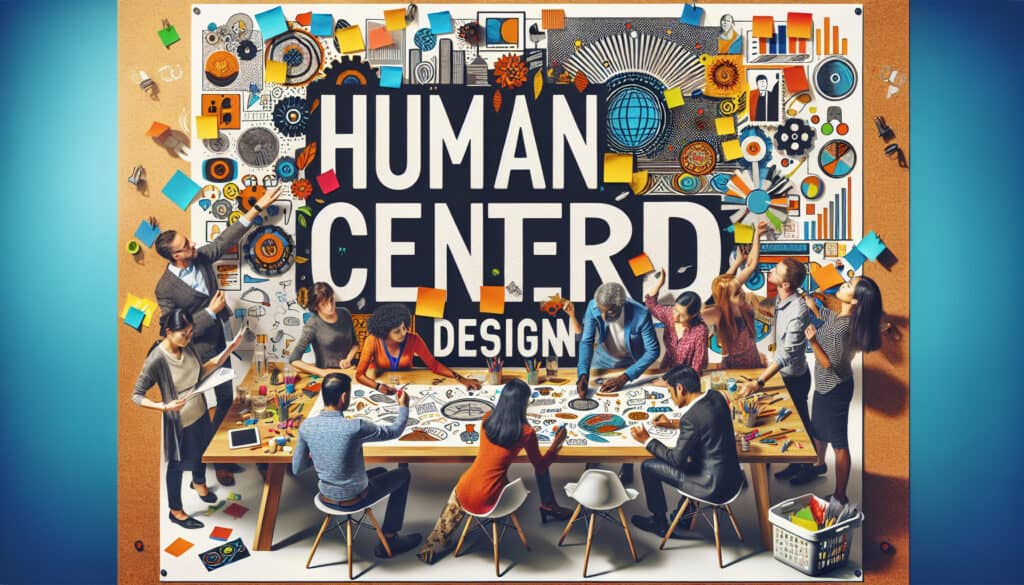
Human-Centered Design is frequently utilized across various industries, including consumer electronics, automotive, healthcare, and educational tools, as it actively engages end-users throughout the design process. Its application is particularly valuable during the early phases of product development, where user research and contextual inquiries reveal specific challenges that users face, allowing designers to understand user pain points and aspirations. Participants in this methodology typically include cross-functional teams composed of designers, engineers, product managers, and end-users, fostering collaboration that enriches the ideation stage with diverse perspectives. This iterative cycle of prototyping and testing emphasizes feedback collection at multiple stages, ensuring that the solutions not only address user needs effectively but also provide a smooth and gratifying experience. Industries such as healthcare have adopted Human-Centered Design to create medical devices that enhance patient سهولة الاستخدام, while tech companies use it to develop intuitive software interfaces. The encouragement of iterative testing can lead to innovations that are both tailored and relevant, providing a competitive advantage to organizations committed to placing users at the forefront of their development processes. Engaging with stakeholders and users during this exploration enables the identification of unforeseen opportunities for innovation, ultimately refining products and services that resonate well with intended audiences.
Key steps of this methodology
drug screening for cytotoxic effects in cancer research
toxicology testing of chemicals
assessing cell proliferation in response to growth factors
قم بإنشاء نماذج أولية منخفضة الدقة لتصور المفاهيم.
biocompatibility testing of materials
Refine solutions based on user feedback and testing results.
Develop high-fidelity prototypes for advanced testing.
Conduct further tests to validate final design with users.
Implement design revisions before production.
Iterate the design process as needed based on ongoing user feedback.
نصائح احترافية
Utilize immersive techniques like shadowing or diary studies to uncover hidden user pain points and motivations.
Employ co-creation workshops that يخطب users and stakeholders in the design process, enhancing idea generation and validation.
Implement rapid iteration cycles with integrated feedback loops to refine prototypes and elevate user interaction quality based on direct input.
To read and compare several methodologies, we recommend the