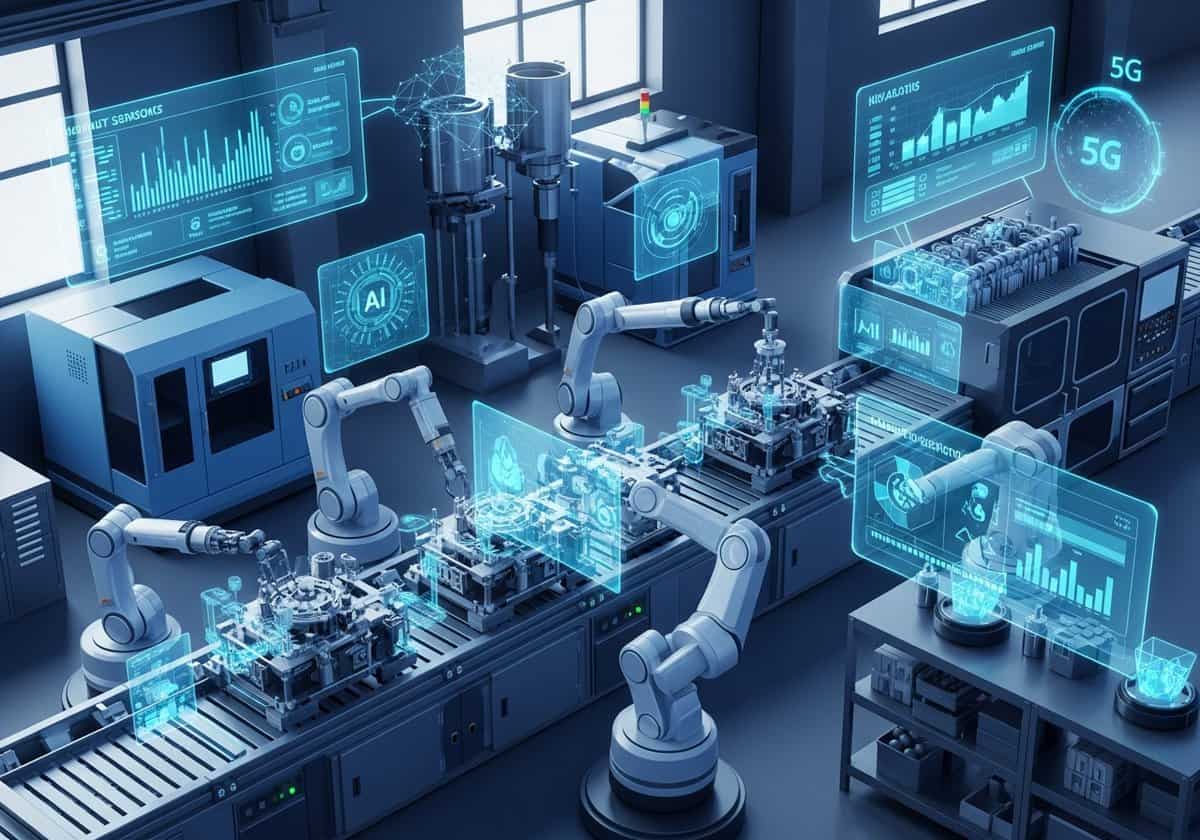
The Industrial Internet of Things (IIoT) is transforming industries by integrating advanced التقنيات into manufacturing and operational processes, with studies suggesting that IIoT could create $15 trillion in value by 2030 (McKinsey & Company). This article breaks down the definition and core components of IIoT, including sensors, actuators, and data analytics. You’ll discover the key differences between إنترنت الأشياء and IIoT, as well as the architecture and تواصل protocols that form the backbone of IIoT systems, such as MQTT and OPC UA. We will analyze the manifold benefits, including predictive maintenance and enhanced safety measures, while addressing the security challenges that arise in IIoT environments and strategies for mitigation.
النقاط الرئيسية
- IIoT enhances traditional تصنيع through connectivity.
- Predictions enable proactive maintenance and reduce downtime.
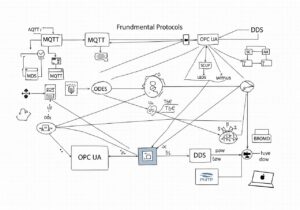
- Key protocols include MQTT, OPC UA, and DDS.
- Integration with AI and 5G revolutionizes operations.
- Security requires layered strategies to mitigate risks.
- Applications span across industries, enhancing efficiency and safety.
Definition and Core Components of IIoT
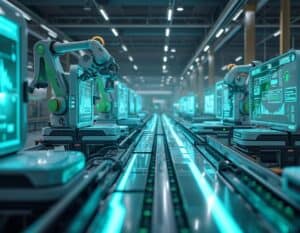
Industrial Internet of Things (IIoT) refers to the integration of smart sensors, devices, and machinery into industrial processes, enabling real-time data exchange and communication among equipment. It involves a network of connected devices that gather, monitor, and analyze data to optimize performance and increase efficiency. IIoT plays a big role in creating “smart factories,” where machinery communicates autonomously to streamline operations, enhance productivity, and reduce downtime significantly.
Core components of IIoT include advanced sensors, actuators, and connectivity solutions that facilitate data collection and transmission. These components operate on a variety of communication protocols such as MQTT, CoAP, and HTTP, allowing seamless inter-device communication. Additionally, gateway devices process raw data from sensors before transmission.
Fact: in industries like energy, IIoT has been shown to improve operational efficiency by as much as 25%.
Key Differences Between IoT and IIoT
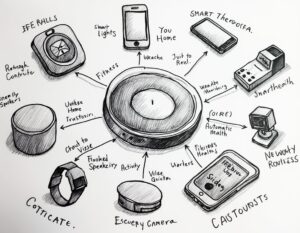
The Internet of Things (IoT) primarily focuses on connecting consumer devices, such as smart thermostats, wearables, and smart home gadgets. These devices are generally utilized to enhance user convenience and efficiency in daily activities. The Industrial Internet of Things (IIoT), on the other hand, centers around industrial applications, such as manufacturing machines and supply chain logistics, aiming to optimize operational performance, improve safety, and increase reliability in industrial settings.
Another differentiating factor lies in the scale and complexity of the systems involved. IoT solutions often address smaller networks of devices, which require straightforward integration and user interfaces. In contrast, IIoT involves large-scale systems within an industrial نطاق. These systems require advanced integration capabilities to manage complex data flows, interoperability among legacy machines, and seamless communication between various stakeholders, including suppliers, manufacturers, and service providers.
Security requirements differ significantly between the two domains:
- consumer IoT may prioritize تجربة المستخدم and convenience,
- IIoT has heightened security needs due to the potential consequences of cyberattacks on critical infrastructure. Hackers gaining access to an industrial control system could disrupt operations or cause physical harm. Consequently, IIoT systems often implement stringent security protocols, including advanced التشفير methods and multi-factor authentication, to safeguard sensitive data against unauthorized access.
IIoT systems are also designed for high reliability and availability, which can often be overlooked with consumer-oriented IoT devices. Industrial applications typically require continuous operation, and therefore, IIoT solutions are engineered to minimize downtime through predictive maintenance and immediate fault detection.
Implementing predictive maintenance in industrial settings can reduce maintenance costs by 25% to 30% while increasing equipment availability by up to 20%.
In terms of data management, IIoT emphasizes the use of big data analytics, enabling organizations to sift through vast amounts of sensor data to gain actionable insights. Consumer IoT, while still data-driven, may depend on simpler analytics.
| Concept | IoT (Internet of Things) | IIoT (Industrial Internet of Things) |
|---|---|---|
| ركز | Connecting consumer devices (e.g., smart thermostats, wearables) | Industrial applications (e.g., manufacturing machines, supply chain logistics) |
| Primary Goals | Enhance user convenience and efficiency | Optimize operational performance, improve safety, increase reliability |
| Scale and Complexity | Smaller networks of devices, straightforward integration | Large-scale systems, advanced integration capabilities |
| Data Management | Simpler analytics | Big data analytics for actionable insights |
| Security Requirements | Prioritizes user experience and convenience | Heightened security needs with stringent protocols (e.g., encryption, multi-factor authentication) |
| Reliability and Availability | Less emphasis on continuous operation | Designed for high reliability and continuous operation, predictive maintenance |
| Productivity Impact | Not specifically mentioned | Can boost productivity levels by up to 30% |
| إدارة التكاليف | Not specifically mentioned | Predictive maintenance can reduce maintenance costs by 25% to 30% |
IIoT Architecture and Communication Protocols
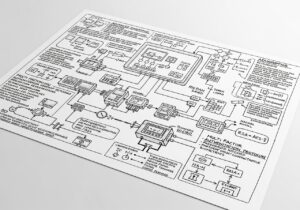
The architecture of the Industrial Internet of Things (IIoT) can be broadly categorized into several layers, including the Edge Layer, Communication Layer, and Cloud Layer. In the Edge Layer, devices such as sensors and actuators collect data directly from manufacturing equipment or operational environments.
These devices may operate using low-power technologies like LoRaWAN or Zigbee. The Communication Layer facilitates data transmission between the edge devices and the cloud or on-premise servers, primarily through protocols such as MQTT, CoAP, and HTTP. This layered approach allows for effective data management and scaling as system requirements evolve.
| IoT (Internet of Things) | IIoT (Industrial Internet of Things) | |
|---|---|---|
| Data Volume | Typically lower data volume, focusing on individual consumer devices. | High data volume, involving numerous sensors and devices within industrial environments. |
| Protocols | HTTP, MQTT, CoAP, WebSocket. | OPC UA, MQTT, DDS, Profinet. |
Data generated in IIoT environments can be voluminous and complex. Utilizing protocols like OPC UA (Open Platform Communications Unified Architecture) enables interoperability among industrial systems. OPC UA allows devices from various manufacturers to communicate seamlessly, enhancing operational efficiency.
| Protocol | حالة الاستخدام | المزايا |
|---|---|---|
| MQTT | Messaging for low-bandwidth devices | Lightweight, efficient |
| OPC UA | Device interoperability | Standardized, secure |
| HTTP | Web services | इंटरपोलेशन एक सीएनसी कंट्रोलर के भीतर की जाने वाली गणना प्रक्रिया है जो प्रोग्राम किए गए अंतिम बिंदुओं के बीच एक सुगम पथ बनाने के लिए मध्यवर्ती निर्देशांक बिंदुओं का एक क्रम उत्पन्न करती है। इसके सबसे मूलभूत प्रकार हैं सीधी रेखाओं के लिए रैखिक इंटरपोलेशन (G01) और चापों के लिए वृत्ताकार इंटरपोलेशन (G02/G03)। यह जी-कोड प्रोग्राम में सरल ज्यामितीय आदेशों से जटिल प्रोफाइल की मशीनिंग करने की अनुमति देता है। |
نصيحة: Implementing a hybrid architecture combining edge and cloud computing can significantly enhance both data processing speed and system resilience.
Benefits and Impact of IIoT on Industries
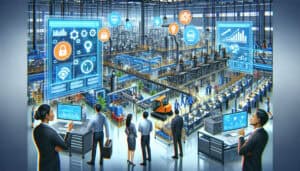
The integration of the Industrial Internet of Things (IIoT) into various industries has قاد to significant improvements in operational efficiency and productivity. By connecting machines and devices, manufacturers experience enhanced real-time monitoring and analytics, which result in better decision-making. This reduction directly correlates with increased production capacity and reduced operational costs, showing a clear pathway toward a more streamlined manufacturing process.
IIoT enhances asset management by enabling predictive maintenance strategies. Companies can track equipment performance and predict failures before they occur, thus minimizing unexpected downtime. A report by McKinsey highlighted that predictive maintenance can reduce maintenance costs by up to 25% and increase equipment عمر by 30%. This shift to proactive maintenance not only lowers costs but also ensures a more reliable operational environment.
The impact on energy and utilities sectors is tangible, particularly through smart grids that optimize energy consumption and distribution. These grids can reduce energy waste by approximately 10-15% through improved demand-response mechanisms. Additionally, organizations can better manage resources and anticipate peak loads. Below is a comparison of metrics before and after implementing IIoT in various sectors:
| قطاع | Metric Before IIoT | Metric After IIoT |
|---|---|---|
| تصنيع | 20% downtime | 10% downtime |
| Utilities | 10% energy waste | 5% energy waste |
نصيحة: utilizing edge computing alongside IIoT enhances data processing speeds and reduces latency, improving real-time analytics capabilities.
Security Challenges and Mitigation Strategies in IIoT

Security vulnerabilities in Industrial Internet of Things (IIoT) systems stem from a mix of interconnected devices, proprietary برمجة, and outdated infrastructure. Data breaches can occur through insecure endpoints or during data transmission. For instance, a report indicated that 60% of IIoT devices have known vulnerabilities, making them prime targets for cyberattacks. Manufacturers must implement security measures like multi-factor authentication and encrypted communication protocols to safeguard sensitive data and maintain operational integrity.
A significant challenge in the IIoT النظام البيئي is the current lack of standardized security protocols across varied devices and networks.
Manufacturers need to adopt a security-by-design approach, which includes regular security assessments and updates for devices and systems.
نصيحة: regular employee training on security awareness can significantly mitigate human error, a major contributor to security breaches. A survey found that 95% of الأمن السيبراني incidents are due to human mistakes. Moreover, leveraging automated monitoring tools can help detect anomalies in network traffic, providing a real-time defense mechanism against potential threats.
Integration of IIoT with Emerging Technologies
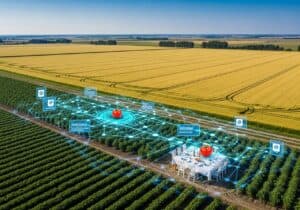
Integrating Artificial Intelligence (AI) with the Industrial Internet of Things (IIoT) significantly enhances predictive analytics and machine learning capabilities. Manufacturing plants employing AI-powered IIoT systems can analyze vast amounts of operational data. AI algorithms can dissect patterns and anomalies in the data collected from machinery, enhancing efficiency in processes such as quality control and equipment monitoring.
The convergence of IIoT with blockchain technology ensures enhanced data integrity and security in supply chain management. By using decentralized ledgers, organizations can create immutable records of transactions that enhance traceability.
Companies like IBM have successfully implemented blockchain in agriculture for tracking the journey of food products from farm to table, thus ensuring authenticity and safety. The integration of these technologies results in a more transparent and trustworthy food supply chain.
نصائح: when integrating emerging technologies with IIoT, consider employing API gateways to facilitate seamless communication between devices and applications. This approach enhances interoperability and fosters innovation within the system.
Prioritize Security: implement a multi-layered security approach, including network segmentation, encryption, and regular security audits to protect sensitive data and devices.
Design for Scalability: before implementing, ensure that your IIoT system can easily scale to accommodate new devices and increased data flow without major redesigns.
خاتمة
As industries stand on the brink of a technological revolution, the Industrial Internet of Things (IIoT) plays a big role in redefining operational capabilities and efficiencies. By integrating devices that communicate and analyze data in real-time, companies are not only enhancing productivity but also creating new avenues for growth and innovation. The projected creation of $15 trillion in value by 2030 underscores the transformative impact IIoT will have across sectors.
الأسئلة الشائعة
What are the core components of the Industrial Internet of Things (IIoT)?
What are the key differences between IoT and IIoT?
What is the typical IIoT architecture and its communication protocols?
What are the main benefits of implementing IIoT in industries?
What security challenges are associated with IIoT environments?
Can you provide real-world use cases of IIoT in various industries?
How does IIoT integrate with emerging technologies?
مواضيع ذات صلة
- التوأم الرقمي Technology: a virtual representation of physical assets or systems used for analysis and simulation.
- Edge Computing: processing data closer to the source to reduce latency and bandwidth use.
- Interoperability المعايير: frameworks that ensure different devices and systems can work together seamlessly.
- Smart Manufacturing: an approach that incorporates IIoT for increased efficiency and flexibility in production processes.
- Remote Monitoring: observing and managing equipment from a distance using IIoT technologies.
- Predictive Analytics: utilizing statistical algorithms and machine learning techniques to identify risks and opportunities from data.
- Supply Chain Integration: connecting various elements of the supply chain using IIoT for improved transparency and efficiency.
- Automation and الروبوتات: employing الروبوتات systems in conjunction with IIoT to enhance operational performance.
- Resilient Networks: creating communication networks capable of withstanding failures while maintaining functionality.
- Real-time Data Processing: handling and analyzing data as it is generated for immediate insight and action.
- Workforce Empowerment: integrating IIoT solutions that provide workers with real-time information and insights to enhance productivity.
- Data Visualization Tools: software that converts complex data sets into visual formats for easier interpretation and analysis.
- Cybersecurity Frameworks: strategies designed to protect IIoT systems against cyber threats and vulnerabilities.
External Links on Industrial Internet Of Things (IIoT)
المعايير الدولية
(حرك الرابط لرؤية وصفنا للمحتوى)
مسرد المصطلحات المستخدمة
Application Programming Interface (API): مجموعة من القواعد والبروتوكولات التي تسمح لتطبيقات البرامج المختلفة بالتواصل والتفاعل مع بعضها البعض، مما يتيح تكامل الوظائف وتبادل البيانات بين الأنظمة.
Certificate of Analysis (CoA): وثيقة صادرة عن الشركة المصنعة أو مختبر الاختبار تؤكد مواصفات المنتج وجودته وامتثاله للمعايير التنظيمية، وتفصل نتائج الاختبار والطرق المستخدمة للتحليل.
Industrial Internet of Things (IIoT): شبكة من الأجهزة والمستشعرات المترابطة في البيئات الصناعية تعمل على جمع البيانات وتبادلها وتحليلها لتعزيز الكفاءة التشغيلية وتحسين عملية اتخاذ القرار وتمكين الأتمتة في التصنيع وسلسلة التوريد وغيرها من العمليات الصناعية.
Internet of Things (IoT): شبكة من الأجهزة المترابطة والمدمجة بأجهزة استشعار وبرامج وتقنيات أخرى تمكنها من جمع البيانات وتبادلها عبر الإنترنت، مما يسهل أتمتة ومراقبة والتحكم في العمليات والأنظمة المختلفة.
Multi-Factor Authentication (MFA): عملية أمنية تتطلب طريقتي تحقق أو أكثر من فئات بيانات اعتماد مستقلة لمصادقة المستخدم، مما يعزز الحماية من الوصول غير المصرح به. تشمل العوامل المشتركة ما يعرفه المستخدم أو يمتلكه أو هو عليه.
Optical Proximity Correction (OPC): a lithography enhancement technique that modifies mask patterns to compensate for optical distortions during semiconductor manufacturing, improving feature fidelity on silicon wafers by adjusting the shapes and sizes of features to achieve desired dimensions after exposure and development.
User experience (UX): الرضا العام والإدراك لدى المستخدم عند التفاعل مع منتج أو نظام أو خدمة، بما في ذلك قابلية الاستخدام وإمكانية الوصول والتصميم والاستجابة العاطفية طوال عملية التفاعل بأكملها.
User Interface (UI): نظام يتيح التفاعل بين المستخدمين وتطبيقات البرامج، ويشمل عناصر مرئية، وأدوات تحكم، وتخطيطًا عامًا لتسهيل مهام المستخدم وتحسين التجربة.