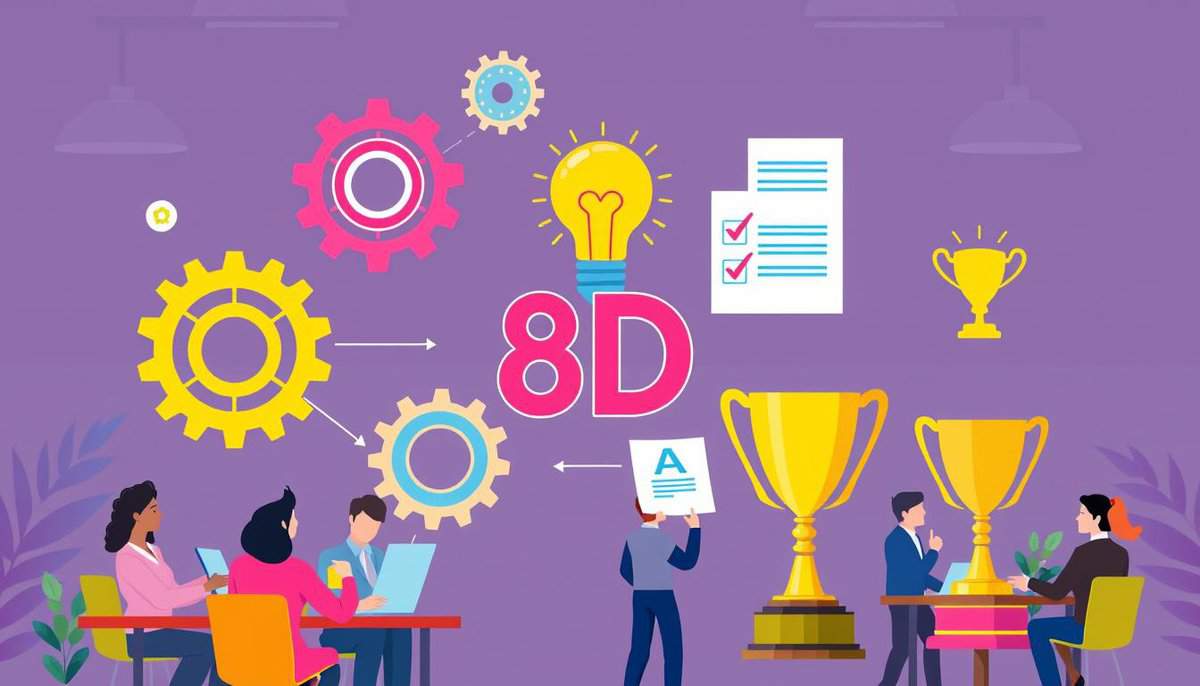
The 8D problem solving method was developed by Ford المحرك Company in the late 1980s. Today, it’s one of the key tools for organizations worldwide seeking to improve quality and operations. This method has eight steps, or disciplines. They help identify, fix, and stop problems from happening again.
By the end of this guide, you’ll see how the 8D method can turn challenges into chances for growth.
النقاط الرئيسية
- 8D problem solving is a methodical approach originating from Ford Motor Company in the late 1980s.
- The eight disciplines include steps from team formation to permanent corrective actions and team acknowledgment.
- This approach heavily relies on collaboration, documentation, and تَحَقّق.
- 8D problem solving emphasizes the importance of multidisciplinary الفرق.
- تواصل and clear role definition are crucial for effective implementation.
Introduction to 8D Problem Solving
The 8D Problem Solving Process is a detailed method to find and fix quality issues. It started in World War II, and Ford Motor Company later improved it. This process includes eight steps and a planning stage called D0, added in the 1990s.
This method focuses on teamwork to solve complicated problems. It mixes several quality management practices. This makes it great for the manufacturing and production sectors.
Teams follow the 8D method closely to identify the main causes of a problem and solve it. Here are in short the main steps detailed after:
- D1: Formation of the Team.
- D2: Defining and describing the problem.
- D3: Implementing interim containment actions.
- D4: Root cause analysis.
- D5: Developing and verifying permanent corrective actions.
- D6: Implementing corrective actions.
- D7: Preventive measures.
- D8: Closure and team acknowledgment.
The 8D process is valuable for more than just solving problems. It boosts teamwork, responsibility, and detailed records. This leads businesses towards better operation and long-term success.
History of 8D Problem Solving
The 8D problem solving method has a deep history, starting when industries began to change. Ford Motor Company created it in the 1980s. It was meant to fix ongoing issues in engineering and making things.
Origins at Ford Motor Company
In 1986, Ford Motor Company introduced the 8D method to solve quality and engineering problems. Originally named “Team Oriented Problem Solving,” it was about getting experts together. They aimed to find the main reasons for issues and fix them for good. Later, they added the D0 planning stage to make the method even better.
Evolution Across Industries
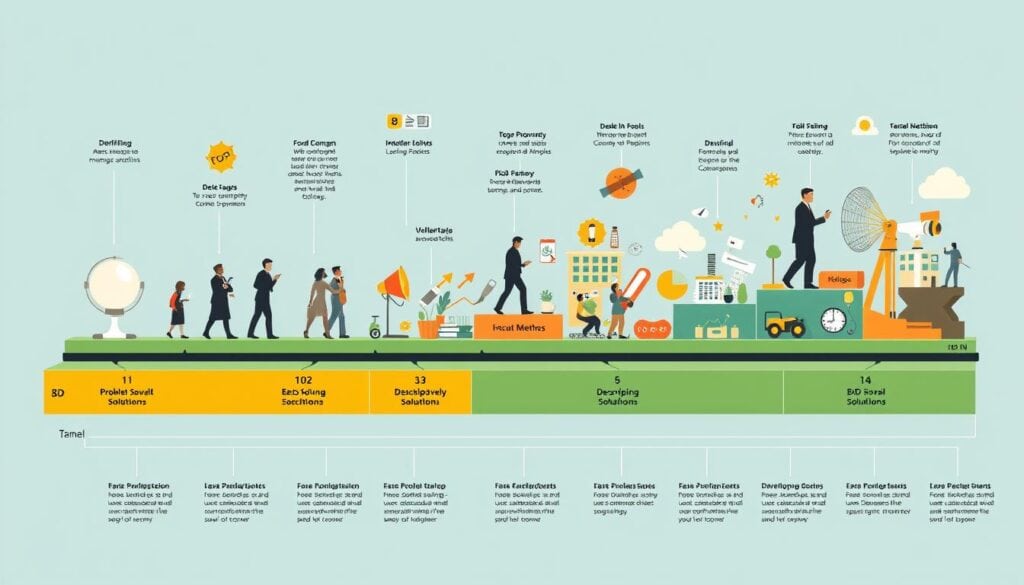
Since it started, the 8D method has grown and spread to many areas. It’s now used in car making, food production, healthcare, and tech industries. This shows how it moved from just automotive to being useful everywhere.
Influences from Other Methodologies
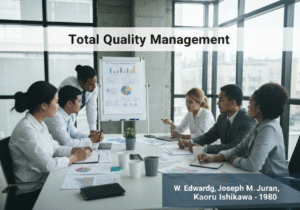
8D has been shaped by methods like إدارة الجودة الشاملة (TQM) and ستة سيجما. It uses things like Ishikawa diagrams, Pareto charts, and the 5 Whys. Also, its link with Failure Modes and Effects Analysis (تحليل الوضع والتأثير والتأثير) helps in solving problems well. This promotes ongoing improvement.
| Key Influences | تفاصيل |
|---|---|
| Total Quality Management (إدارة الجودة الشاملة) | Influenced systematic approaches and integration of continuous improvement practices. |
| ستة سيجما | Introduced analytical tools and data-driven decision-making strategies. |
| Failure Modes and Effects Analysis (FMEA) | Enhanced problem-solving and preventive measures through shared data and brainstorming sessions. |
The rest of this article is reserved for members
To limit scraping bots (currently 40,000 hits per day!),
we had to restrict access to full articles and tools to registered members only.
to access all the rest.
التعليمات
What industries utilize 8D Problem Solving?
Though Ford made it for cars, many areas now use it. Healthcare, engineering, and customer service benefit from its clear steps. It’s good for solving problems in all kinds of work. By fixing root problems well, doing effective fixes, and keeping records, 8D stops problems from coming back. It helps make quality always get better.
What are the eight disciplines in 8D Problem Solving?
The 8 steps are: 1. Forming a Team 2. Detailing the Problem 3. Taking Temporary Steps to Keep it in Check 4. Finding the Root Cause 5. Creating and Checking Permanent Fixes 6. Applying Fixes 7. Taking Steps to Prevent Repeat 8. Finishing and Recognizing the Team’s Work.
What are the benefits of using 8D Problem Solving in an organization?
The 8D method helps teams solve issues well, find the real problems, work together better, and keep raising quality. It gives a clear plan to fix issues and stop them from coming back. Some tools include the Fishbone Diagram for finding root causes, the 5 لماذا for getting to the problem’s heart, and the Pareto Chart. The chart helps spot what needs attention most.
External Links on Problem Solving and Process Management
المعايير الدولية
(حرك الرابط لرؤية وصفنا للمحتوى)
مسرد المصطلحات المستخدمة
Corrective Action and Preventative Action (CAPA): نهج منهجي لتحديد حالات عدم المطابقة والمشكلات المحتملة والتحقيق فيها ومعالجتها لمنع تكرارها وضمان الامتثال للمعايير التنظيمية في أنظمة إدارة الجودة.
Define Measure Analyze Improve Control (DMAIC): استراتيجية الجودة المعتمدة على البيانات المستخدمة في Six Sigma لتحسين العمليات، وتتكون من خمس مراحل: تحديد المشكلة، وقياس الأداء الحالي، وتحليل البيانات لتحديد الأسباب، وتحسين العمليات بناءً على النتائج، والتحكم في الأداء المستقبلي للحفاظ على التحسينات.
Eight Disciplines Problem Solving (8D): منهجية منظمة لحل المشكلات تستخدم لتحديد المشكلات المتكررة وتصحيحها والقضاء عليها، وتتكون من ثماني خطوات: تشكيل الفريق، ووصف المشكلة، وإجراءات الاحتواء، وتحليل السبب الجذري، والإجراءات التصحيحية، والتنفيذ، والوقاية، والاعتراف بجهود الفريق.
Failure Mode and Effects Analysis (FMEA): طريقة منهجية لتقييم أوضاع الفشل المحتملة داخل النظام أو العملية أو المنتج، وتقييم آثارها على الأداء، وإعطاء الأولوية للمخاطر لتحسين الموثوقية والسلامة من خلال الإجراءات التصحيحية.
International Organization for Standardization (ISO): هيئة دولية غير حكومية تُعنى بتطوير ونشر المعايير لضمان الجودة والسلامة والكفاءة والتوافق التشغيلي في مختلف الصناعات والقطاعات، مما يُسهّل التجارة والتعاون العالميين. تأسست عام ١٩٤٧، وتضم منظمات التقييس الوطنية من الدول الأعضاء.
Quality Management System (QMS): نظام منظم من العمليات والإجراءات والمسؤوليات يهدف إلى ضمان الجودة المتسقة في المنتجات والخدمات، وتسهيل التحسين المستمر، وتلبية متطلبات العملاء والمتطلبات التنظيمية.
Total quality management (TQM): نهج إداري يركز على النجاح على المدى الطويل من خلال إرضاء العملاء، وإشراك جميع أعضاء المنظمة في التحسين المستمر للعمليات والمنتجات والخدمات لتعزيز الجودة والأداء.
Verification and Validation (V&V): عملية لضمان أن النظام يلبي المواصفات ويحقق الغرض المقصود منه، وتتضمن نشاطين متميزين: التحقق يتحقق مما إذا كان المنتج يلبي مواصفات التصميم، بينما يقوم التحقق بتقييم ما إذا كان يلبي احتياجات المستخدم ومتطلباته.