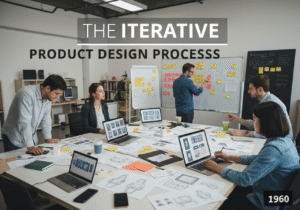
This methodology is particularly applicable in industries such as software development, consumer electronics, and product innovation, where creative solutions are fundamental to success. During brainstorming sessions, teams can shift the focus from conventional thinking to deliberately absurd concepts, facilitating a more relaxed atmosphere that diminishes the fear of criticism. Participants typically include cross-functional team members, such as designers, engineers, marketing experts, and end-users, who bring diverse perspectives that can enhance the depth of ideation. This approach can be particularly useful in the early phases of project development, where clarifying goals and challenges is crucial. For instance, a team tasked with developing a new app might initially list out the most impractical features or functionalities, using these “worst ideas” to dissect what wouldn’t work and why, thereby illuminating viable options and promoting creative breakthroughs. This technique is often employed alongside other ideation processes, such as design thinking or agile methodologies, enriching the creative pipeline by challenging existing assumptions and pushing the boundaries of what is considered feasible. Organizations like IDEO have utilized similar tactics to invigorate their design processes, and tech companies often harness this method during innovation workshops to catalyze product evolution. These sessions can inject humor and energy, transforming problem-solving into an engaging and collaborative endeavor, reinforcing team dynamics while generating unexpected insights that can form the basis for robust design solutions.
该方法的关键步骤
明确定义问题或挑战。
鼓励参与者提出尽可能糟糕的想法,不要进行筛选。
记录所有糟糕的想法,不要妄加评判。
分析不良想法背后的假设和思维模式。
找出糟糕想法中可以逆转或改进的要素。
通过将最糟糕的想法转化为潜在的解决方案来发展新想法。
评估新想法的可行性和潜在有效性。
专业提示
Encourage teams to adopt absurd personas or roles; this can shift their thinking and reveal unexpected angles.