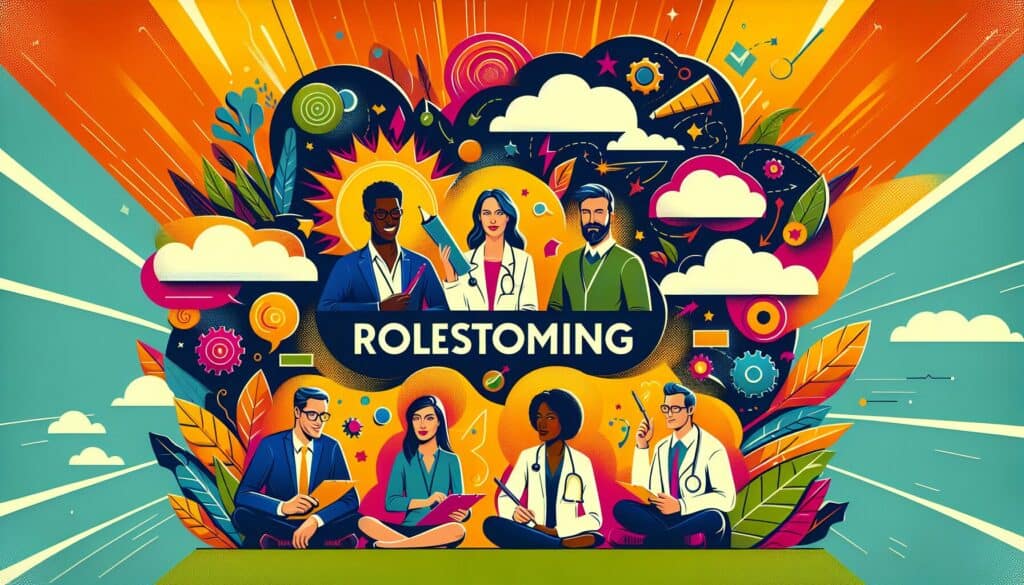
Rolestorming can be particularly effective in industries such as consumer electronics, healthcare product design, and urban planning, where understanding diverse user needs is paramount. In the ideation phase of projects, teams can adopt roles such as end-users with specific disabilities, healthcare providers, or even regulatory bodies to identify challenges and opportunities in product development. This approach encourages participants to think outside of their usual parameters, often leading to innovative solutions that a standard brainstorming session might miss. For example, a team designing a wearable health device may benefit from including the voice of a patient who faces chronic illness, allowing them to highlight features and functions that would be critical to their daily lives. When engaging with various stakeholders, such as suppliers or community representatives, this methodology can also reveal potential supply chain challenges or community impacts that might otherwise go unconsidered. Rolestorming sessions typically involve multidisciplinary teams, combining perspectives from engineering, marketing, and user experience design, promoting a richer exploration of ideas. The presence of a skilled facilitator can further enhance outcomes by guiding discussions, ensuring balanced participation, and directing focus toward actionable concepts derived from the adopted roles, making the entire process more structured and productive.
该方法的关键步骤
根据不同利益相关者的情况,为每位参与者分配具体角色。
指导参与者全身心投入到分配的角色中。
发起头脑风暴会议,让参与者从各自的角色出发提出想法。
鼓励扮演不同角色的参与者之间进行互动。
记录会议期间产生的所有想法。
定期轮换角色,以激发对新兴想法的新视角。
促进对不同角色所获得见解的讨论。
专业提示
Assign roles based on real data or personas from market research to ground discussions in factual scenarios.