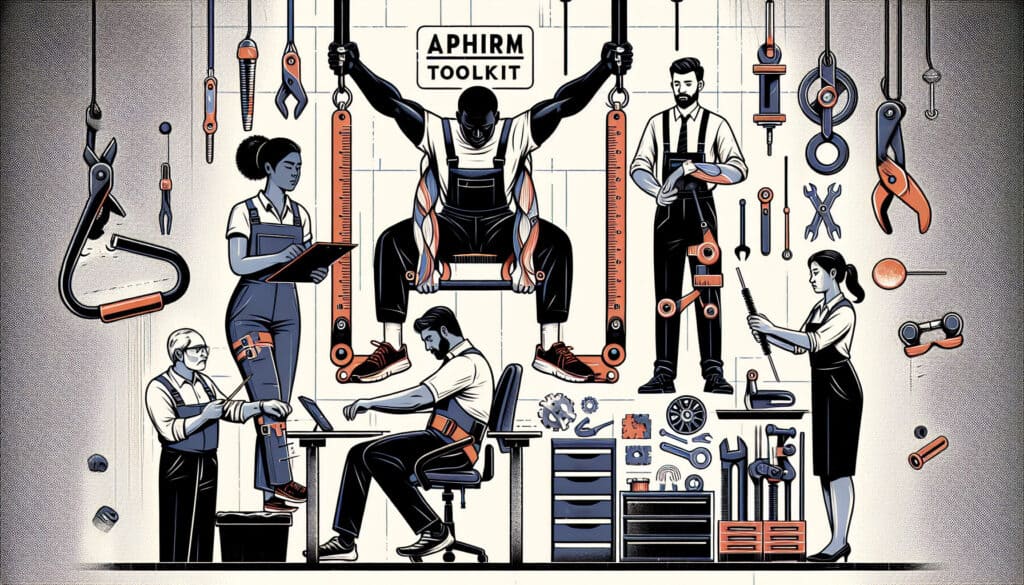
The APHIRM Toolkit is particularly valuable in industries such as healthcare, manufacturing, and logistics, where manual handling and repetitive tasks are prevalent. It is applicable throughout various project phases, including initial design, implementation, and ongoing maintenance. A multidisciplinary team, including health and safety officers, ergonomic specialists, and front-line workers, typically initiates the
风险评估 process, ensuring that insights and experiences from those directly affected inform the evaluation of hazards. The participative nature of the toolkit allows for input from a diverse range of stakeholders, making it adaptable to different workplace environments and practices. The practical tools, such as checklists and worksheets, promote engagement and facilitate straightforward applications, regardless of the existing level of expertise in risk management. Regularly integrating the APHIRM methodology into workplace safety programs not only promotes compliance with Australian Safe Work regulations but also encourages a culture of safety that aims to reduce the incidence of musculoskeletal disorders. By ensuring that risk management is a shared responsibility, workplaces can foster ongoing dialogues about safety measures, leading to continuous improvement in ergonomic practices and better health outcomes for employees. Through its integrated approach, the toolkit also serves as a blueprint for conducting training sessions and workshops focused on risk identification and mitigation strategies, empowering teams to proactively address issues related to musculoskeletal health.