التحسين المستمر, بيئة العمل, العلوم الصحية, العوامل البشرية, تحسين العمليات, إدارة الجودة, إدارة المخاطر, أمان
الهدف:
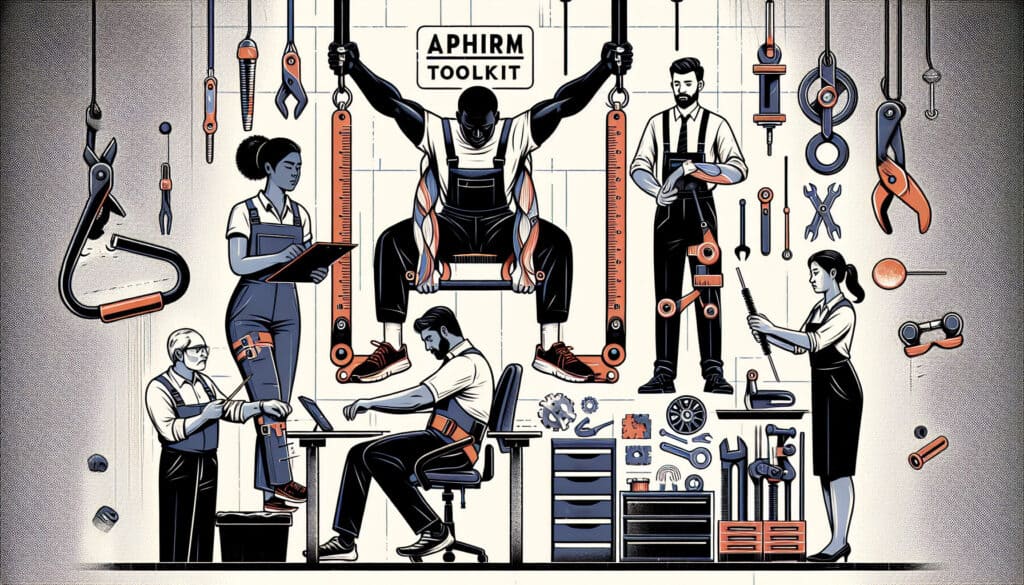
مجموعة أدوات من الموارد التي تم تطويرها في أستراليا لمساعدة المؤسسات على إدارة مخاطر الاضطرابات العضلية الهيكلية.
كيفية استخدامه:
The APHIRM (A Participative Hazard Identification and إدارة المخاطر) toolkit provides a step-by-step guide to identifying, assessing, and controlling musculoskeletal hazards in the workplace. It includes a range of practical tools, such as checklists and worksheets.
الايجابيات
يوفر إطارًا عمليًا وسهل الاستخدام لإدارة المخاطر العضلية الهيكلية، ويستند إلى نهج تشاركي، وقد تم تطويره خصيصًا لأماكن العمل الأسترالية.
سلبيات
قد لا تنطبق على جميع البلدان أو الصناعات، وتتطلب التزامًا من الإدارة والعمال لتكون فعالة، وقد لا تكون مناسبة لجميع أنواع المخاطر العضلية الهيكلية.
الفئات:
بيئة العمل, الموارد البشرية, إدارة المخاطر
الأفضل لـ:
إدارة مخاطر الاضطرابات العضلية الهيكلية في أماكن العمل الأسترالية.
The APHIRM Toolkit is particularly valuable in industries such as healthcare, manufacturing, and logistics, where manual handling and repetitive tasks are prevalent. It is applicable throughout various project phases, including initial design, implementation, and ongoing maintenance. A multidisciplinary team, including health and safety officers, ergonomic specialists, and front-line workers, typically initiates the تقييم المخاطر process, ensuring that insights and experiences from those directly affected inform the evaluation of hazards. The participative nature of the toolkit allows for input from a diverse range of stakeholders, making it adaptable to different workplace environments and practices. The practical tools, such as checklists and worksheets, promote engagement and facilitate straightforward applications, regardless of the existing level of expertise in risk management. Regularly integrating the APHIRM methodology into workplace safety programs not only promotes compliance with Australian Safe Work regulations but also encourages a culture of safety that aims to reduce the incidence of musculoskeletal disorders. By ensuring that risk management is a shared responsibility, workplaces can foster ongoing dialogues about safety measures, leading to continuous improvement in ergonomic practices and better health outcomes for employees. Through its integrated approach, the toolkit also serves as a blueprint for conducting training sessions and workshops focused on risk identification and mitigation strategies, empowering teams to proactively address issues related to musculoskeletal health.
الخطوات الرئيسية لهذه المنهجية
تحديد المخاطر العضلية الهيكلية من خلال تقييمات وملاحظات مكان العمل.
تقييم مستوى المخاطر المرتبطة بالمخاطر المحددة باستخدام مقاييس نوعية أو كمية.
إشراك أصحاب المصلحة في وضع استراتيجيات رقابية للتخفيف من المخاطر المحددة.
تنفيذ تدابير الرقابة المختارة والتأكد من إبلاغ جميع الموظفين بها.
مراقبة فعالية الضوابط المطبقة وجمع الملاحظات من الموظفين.
مراجعة وتحديث عملية إدارة المخاطر بانتظام لتعكس التغييرات في مكان العمل أو المخاطر الناشئة.
نصائح احترافية
قم بدمج التقييمات المريحة في تقييمات سير العمل المنتظمة لتحديد المخاطر الخفية التي قد لا تكون مرئية على الفور.
الاستفادة من حلقات التغذية الراجعة من الموظفين المشاركين في تنقيح استراتيجيات إدارة المخاطر وتحسينها باستمرار بناءً على التجارب الحقيقية.
الاستفادة من أدوات تحليل البيانات لرصد الاتجاهات في الاضطرابات العضلية الهيكلية وتكييف التدخلات بشكل استباقي بناءً على الأنماط المحددة.