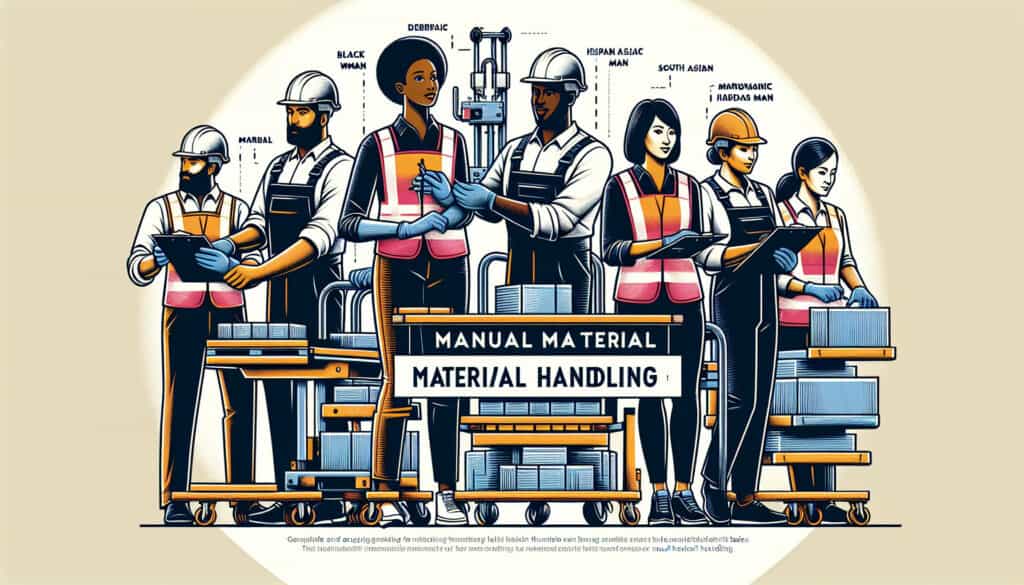
The Liberty Mutual Manual Material Handling Tables, often referred to as Snook Tables, provide a standardized approach to assessing and mitigating risks associated with manual handling tasks. These tables derive their recommendations from psychophysical research, which examines human capabilities and limitations in the context of lifting, lowering, pushing, pulling, and carrying objects. Common applications include workplace ergonomics assessments across various industries such as manufacturing, warehousing, healthcare, and construction, where manual handling is prevalent. In project phases involving task design or
تقييم المخاطر, ergonomists, health and safety professionals, and industrial engineers often utilize these tables to establish safe weight limits in manual handling tasks, thereby enhancing worker safety and productivity. The involvement of personnel from
human resources and occupational health is also crucial, as they can help implement training and develop policies based on the insights rendered from the tables. The primary advantage of employing the Snook Tables lies in their scientifically validated metrics, which provide objective guidance for developing safer handling procedures. This broad acceptance in industry not only helps companies comply with safety regulations but also supports initiatives aimed at reducing musculoskeletal disorders among employees. The application of these tables often leads organizations to engage in continuous improvements and reassessments of their manual handling protocols, ensuring long-term safety and efficiency in operational practices.
To read and compare several methodologies, we recommend the
> Extensive Methodologies Repository <
together with the 400+ other methodologies.
Your comments on this methodology or additional info are welcome on the comment section below ↓ , so as any engineering-related ideas or links.