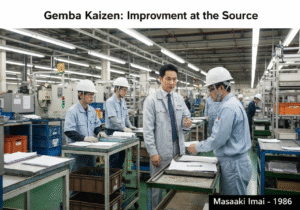
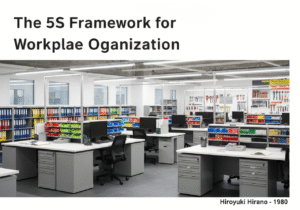
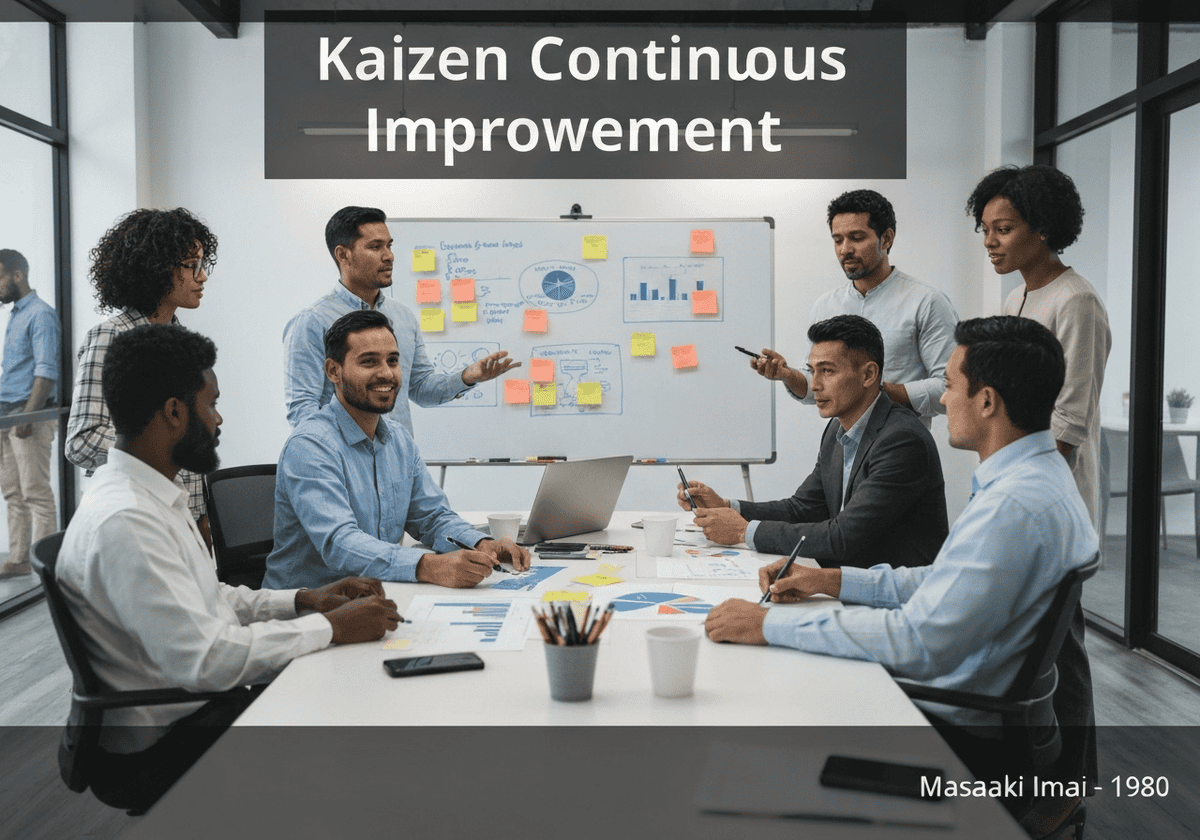
The Kaizen philosophy is built on the belief that large-scale, revolutionary changes are not always necessary for progress. Instead, a multitude of small, incremental improvements made consistently over time can lead to significant long-term results. This approach is often contrasted with the Western business practice of “innovation,” which typically seeks radical, top-down changes. Kaizen is a bottom-up approach. It encourages a mindset of constant vigilance for opportunities to improve, no matter how small. A common tool used in Kaizen is the PDCA (Plan-Do-Check-Act) cycle, a four-step model for carrying out change. ‘Plan’ involves identifying an opportunity and planning a change. ‘Do’ means implementing the change on a small scale. ‘Check’ involves analyzing the results to see if the change was effective. ‘Act’ means implementing the change on a broader scale if successful, or starting the cycle again with a different plan if not. This iterative process ensures that improvements are data-driven and sustainable. The power of Kaizen lies in its ability to create a deeply engaged workforce that takes ownership of their processes and actively contributes to the company’s success.