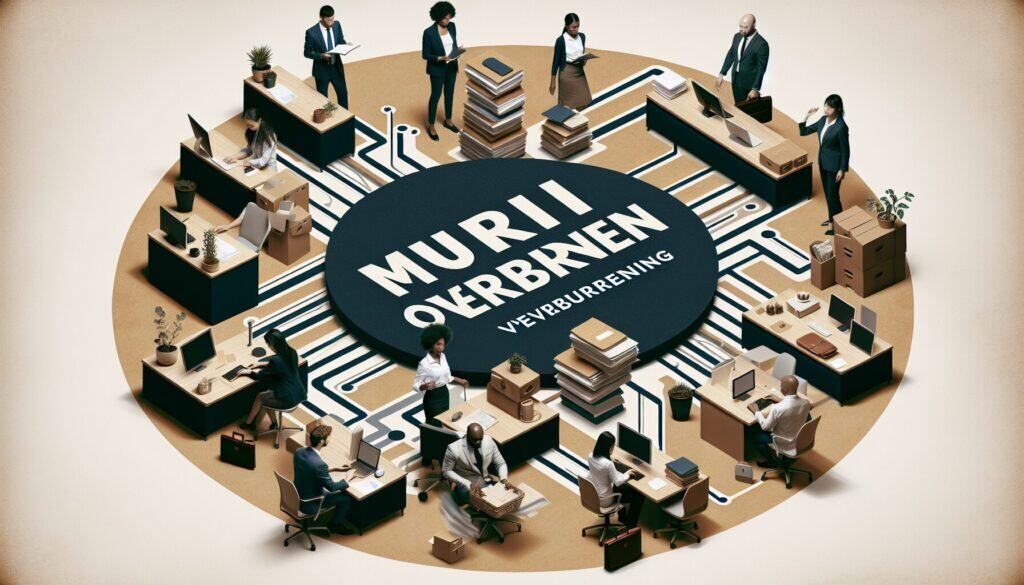
Muri, or the concept of overburden, finds its application across various industries such as manufacturing, healthcare, and construction, where excessive workload can lead to operational inefficiencies. The methodology is particularly beneficial in the project phases involving work design and system implementation, facilitating a comprehensive evaluation of existing job structures and identifying areas prone to overburden. It is frequently initiated by team leaders and project managers but ideally involves cross-functional collaboration among engineers, safety officers, and human resources specialists to ensure a holistic approach. Ergonomic assessments play a pivotal role in this methodology, allowing for the redesign of workstations and processes to accommodate human capabilities and limitations, which is crucial in minimizing the physical strain on workers. Training programs focused on efficient work practices, safety protocols, and stress management can be developed as part of Muri implementation, further enhancing employee morale. In sectors such as healthcare, where worker fatigue can critically affect patient care, the adoption of Muri often leads to improved job satisfaction and reduced turnover rates. By mitigating strain on both personnel and machinery, organizations can expect a decrease in equipment malfunctions and product defects, thereby bolstering quality control efforts. This enhances sustainability as businesses operate more efficiently and reduce waste, contributing positively to their long-term goals. Ultimately, engaging in Muri not only promotes a safer work environment but also aligns with lean manufacturing principles that prioritize value creation while minimizing unnecessary resource consumption.
이 방법론의 주요 단계
과중한 업무 부담을 초래하는 작업을 파악하고 해당 작업이 자원에 미치는 영향을 분석합니다.
불필요한 단계를 제거하고 업무량을 줄이도록 워크플로를 재설계하십시오.
작업자의 신체적 부담을 최소화하기 위해 인체공학적 평가를 실시하십시오.
일관성을 확보하고 변동성을 최소화하기 위해 업무 프로세스를 표준화하십시오.
업무 수행 능력과 효율성을 향상시키기 위한 맞춤형 교육을 제공합니다.
업무 환경을 정기적으로 모니터링하여 과중한 업무 부담의 징후를 파악하고 필요에 따라 조정하십시오.
직원들이 업무량 및 운영상의 어려움에 대해 의견을 제시하도록 장려하십시오.
프로 팁
업무량과 스트레스 수준을 측정하는 실시간 모니터링 시스템을 구현하고, 과부하를 방지하기 위해 작업을 동적으로 조정합니다.
Develop cross-training programs that enhance skill versatility, enabling employees to shift tasks without excess strain or downtime.
직원들의 피드백을 활용하여 비효율적인 부분을 파악하고 업무 설계를 개선함으로써 지속적인 개선 문화를 조성하십시오.