Product Design, Manufacturing & Innovation Resources

development of hydrogen-resistant alloys for pipelines and storage tanks

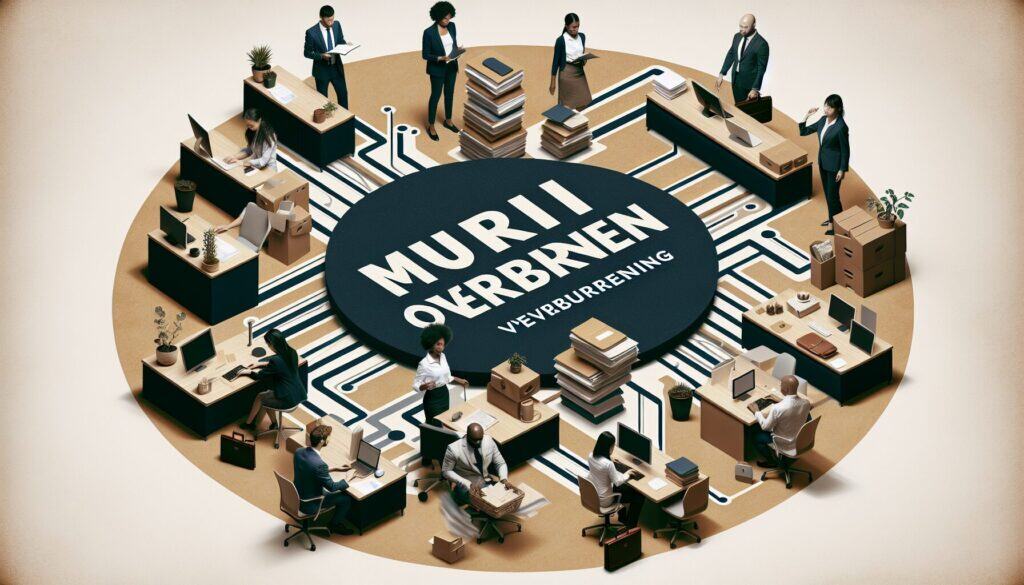
Muri Overburden

development of hydrogen-resistant alloys for pipelines and storage tanks

Objective:

لمنع إرهاق الموظفين والمعدات والأنظمة بما يتجاوز قدرتها المصممة.

How it’s used:

الايجابيات

سلبيات

Categories:

الأفضل لـ:

Muri, or the concept of overburden, finds its application across various industries such as manufacturing, healthcare, and construction, where excessive workload can lead to operational inefficiencies. The methodology is particularly beneficial in the project phases involving work design and system implementation, facilitating a comprehensive evaluation of existing job structures and identifying areas prone to overburden. It is frequently initiated by team leaders and project managers but ideally involves cross-functional collaboration among engineers, safety officers, and human resources specialists to ensure a holistic approach. Ergonomic assessments play a pivotal role in this methodology, allowing for the redesign of workstations and processes to accommodate human capabilities and limitations, which is crucial in minimizing the physical strain on workers. Training programs focused on efficient work practices, safety protocols, and stress management can be developed as part of Muri implementation, further enhancing employee morale. In sectors such as healthcare, where worker fatigue can critically affect patient care, the adoption of Muri often leads to improved job satisfaction and reduced turnover rates. By mitigating strain on both personnel and machinery, organizations can expect a decrease in equipment malfunctions and product defects, thereby bolstering quality control efforts. This enhances sustainability as businesses operate more efficiently and reduce waste, contributing positively to their long-term goals. Ultimately, engaging in Muri not only promotes a safer work environment but also aligns with التصنيع الهزيل principles that prioritize value creation while minimizing unnecessary resource consumption.

Key steps of this methodology

  1. حدد المهام التي تؤدي إلى إرهاق الموظفين وقم بتحليل تأثيرها على الموارد.
  2. إعادة تصميم سير العمل للتخلص من الخطوات غير الضرورية وتقليل عبء العمل.
  3. قم بإجراء تقييمات مريحة لتقليل الإجهاد البدني على العمال.
  4. توحيد إجراءات العمل لضمان الاتساق وتقليل الاختلافات.
  5. توفير تدريب مُوجّه لتعزيز المهارات والكفاءة في تنفيذ المهام.
  6. راقب بيئة العمل بانتظام بحثًا عن علامات الإرهاق وقم بإجراء التعديلات حسب الحاجة.
  7. شجع الموظفين على تقديم ملاحظاتهم بشأن عبء العمل والتحديات التشغيلية.

نصائح احترافية

  • قم بتطبيق أنظمة مراقبة في الوقت الفعلي لقياس عبء العمل ومستويات الإجهاد، مع تعديل المهام ديناميكيًا لمنع الإرهاق.
  • تطوير برامج التدريب المتبادل التي تعزز المهارات تعدد الاستخداماتمما يتيح للموظفين نقل المهام دون إجهاد زائد أو توقف عن العمل.
  • قم بإدراج حلقات التغذية الراجعة من العمال لتحديد أوجه القصور وتحسين تصميم المهام، مما يعزز ثقافة التحسين المستمر.

To read and compare several methodologies, we recommend the

> Extensive Methodologies Repository  <
together with the 400+ other methodologies.

Your comments on this methodology or additional info are welcome on the comment section below ↓ , so as any engineering-related ideas or links.

السياق التاريخي

1991
1992
1993
1994
1997
1998
1999-05-01
1990
1992
1992
1993-07-22
1996
1998
1999
2000

(إذا كان التاريخ غير معروف أو غير ذي صلة، على سبيل المثال "ميكانيكا الموائع"، يتم توفير تقدير تقريبي لظهوره الملحوظ)

أحدث الإضافات

أهم المنشورات والمقالات

أفضل الأدوات الأصلية

السنة العاشرة عيد

الصور والتنزيلات بالحجم الكامل متاحة فقط، ومجانية تمامًا، للأعضاء المسجلين.