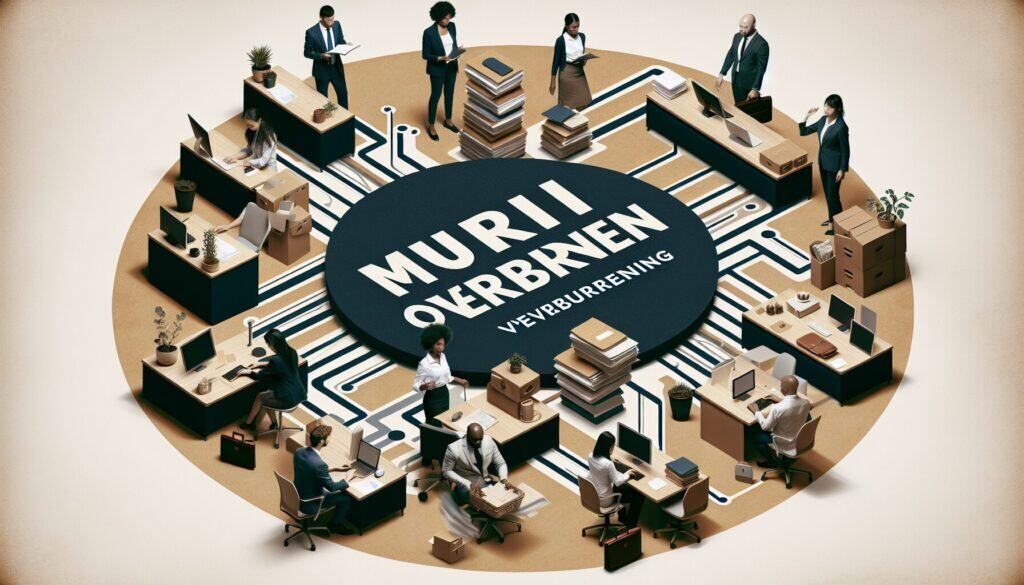
Muri, or the concept of overburden, finds its application across various industries such as manufacturing, healthcare, and construction, where excessive workload can lead to operational inefficiencies. The methodology is particularly beneficial in the project phases involving work design and system implementation, facilitating a comprehensive evaluation of existing job structures and identifying areas prone to overburden. It is frequently initiated by team leaders and project managers but ideally involves cross-functional collaboration among engineers, safety officers, and human resources specialists to ensure a holistic approach. Ergonomic assessments play a pivotal role in this methodology, allowing for the redesign of workstations and processes to accommodate human capabilities and limitations, which is crucial in minimizing the physical strain on workers. Training programs focused on efficient work practices, safety protocols, and stress management can be developed as part of Muri implementation, further enhancing employee morale. In sectors such as healthcare, where worker fatigue can critically affect patient care, the adoption of Muri often leads to improved job satisfaction and reduced turnover rates. By mitigating strain on both personnel and machinery, organizations can expect a decrease in equipment malfunctions and product defects, thereby bolstering quality control efforts. This enhances sustainability as businesses operate more efficiently and reduce waste, contributing positively to their long-term goals. Ultimately, engaging in Muri not only promotes a safer work environment but also aligns with lean manufacturing principles that prioritize value creation while minimizing unnecessary resource consumption.