인지 컴퓨팅, 지속적인 개선, 디자인 사고, 인간 공학, 인간적 요소, 인간 중심 디자인, 프로세스 개선, 위험 관리, 시스템 모델링 언어(SysML)
목적:
A framework for analyzing complex socio-technical systems to understand how work is performed.
사용 방법:
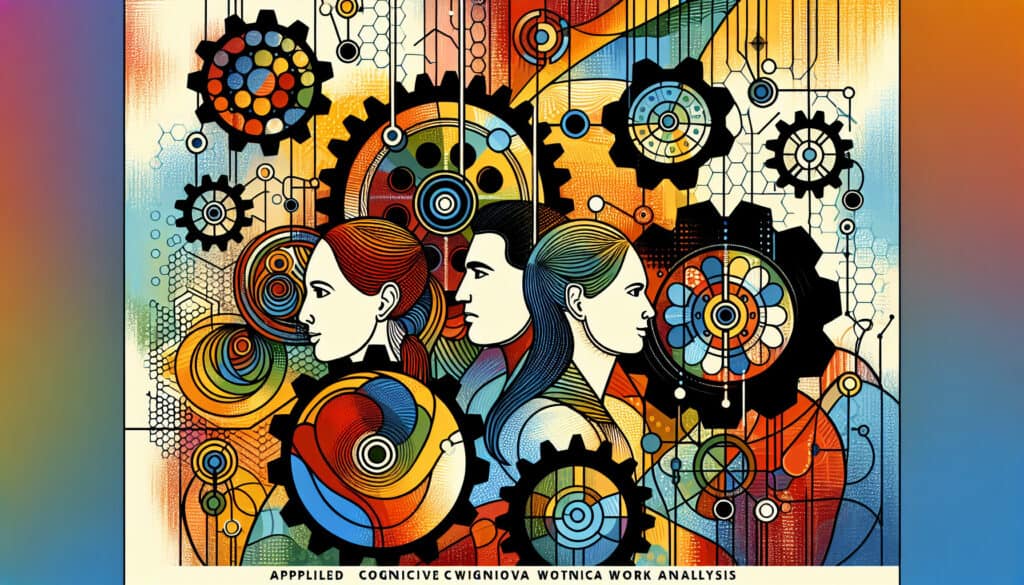
ACWA는 인지 작업 분석(CWA)과 기타 작업 분석 기법의 요소를 결합한 종합적인 작업 분석 방법입니다. 이는 작업 시스템의 제약 조건과 가능성을 이해하고 개선 기회를 파악하는 데 사용됩니다.
장점
업무 시스템에 대한 전체적인 시각을 제공하고, 문제의 근본 원인을 파악하는 데 도움을 주며, 보다 효과적이고 탄력적인 시스템을 설계하는 데 활용될 수 있습니다.
단점
이 방법은 복잡하고 시간이 많이 소요되며, 적용하려면 높은 수준의 전문 지식이 필요하고, 모든 유형의 시스템에 적합하지 않을 수 있습니다.
카테고리:
공학, 인간 공학, 문제 해결
다음과 같은 경우에 가장 적합합니다:
복잡한 업무 시스템을 분석하여 성능, 안전성 및 회복력을 향상시킵니다.
Applied Cognitive Work Analysis (ACWA) finds significant application across various industries, particularly in sectors such as aviation, healthcare, and manufacturing, where the intricacies of human interaction with technology and environment necessitate detailed analysis. This methodology can be especially beneficial during the design phase of new systems or processes, where understanding user needs and operational contexts is paramount. Participants typically include multidisciplinary teams comprising system designers, human factors engineers, domain experts, and end-users, facilitating a comprehensive examination of work tasks and user goals. For example, in healthcare, ACWA is employed to redesign workflows that improve patient safety and clinician efficiency, while in aviation, it aids in optimizing cockpit 인터페이스 디자인 to enhance pilot decision-making. The method assists in identifying latent issues within work systems, such as miscommunications or inefficiencies, allowing teams to propose targeted interventions. It integrates cognitive models with traditional work analysis techniques, creating a systematic approach to identifying and modeling the knowledge, skills, and mental processes required to complete tasks successfully in real work environments. Through workshops and collaborative sessions, ACWA promotes the alignment of organizational objectives with user-centric design, ensuring that the systems developed not only meet performance standards but also enhance user satisfaction and adaptability to unexpected challenges.
이 방법론의 주요 단계
업무 영역과 운영 환경을 정의하십시오.
해당 영역 내의 업무 기능과 그에 상응하는 작업을 파악하십시오.
업무 환경 및 기술로 인해 발생하는 제약 조건을 분석하십시오.
인지적 요구 사항과 그에 따른 지식, 기술 및 전략을 파악합니다.
과업 간 상호의존성과 그것이 업무 성과에 미치는 영향을 평가하십시오.
현행 시스템의 부족한 부분과 잠재적인 혁신 영역을 파악합니다.
파악된 제약 조건과 기회에 부합하는 설계 방안을 마련합니다.
시스템 이해관계자들의 피드백을 바탕으로 설계를 반복적으로 개선합니다.
프로 팁
ACWA 프레임워크 내에 직접 관찰 방법을 통합하여 작업 시스템 내 실무자의 암묵적 지식을 포착하고, 흔히 간과되는 숨겨진 워크플로와 미묘한 상호 작용을 드러냅니다.
이해관계자 워크숍을 활용하여 다양한 관점과 경험을 통합함으로써 업무 시나리오를 공동으로 탐색하고, 이를 통해 제약 조건과 가능성을 더 효과적으로 파악할 수 있습니다.
ACWA 분석 결과를 바탕으로 솔루션의 반복적인 프로토타이핑을 도입하여 사용자의 요구사항과 운영 현실에 부합하는 실시간 피드백 및 조정이 가능하도록 합니다.