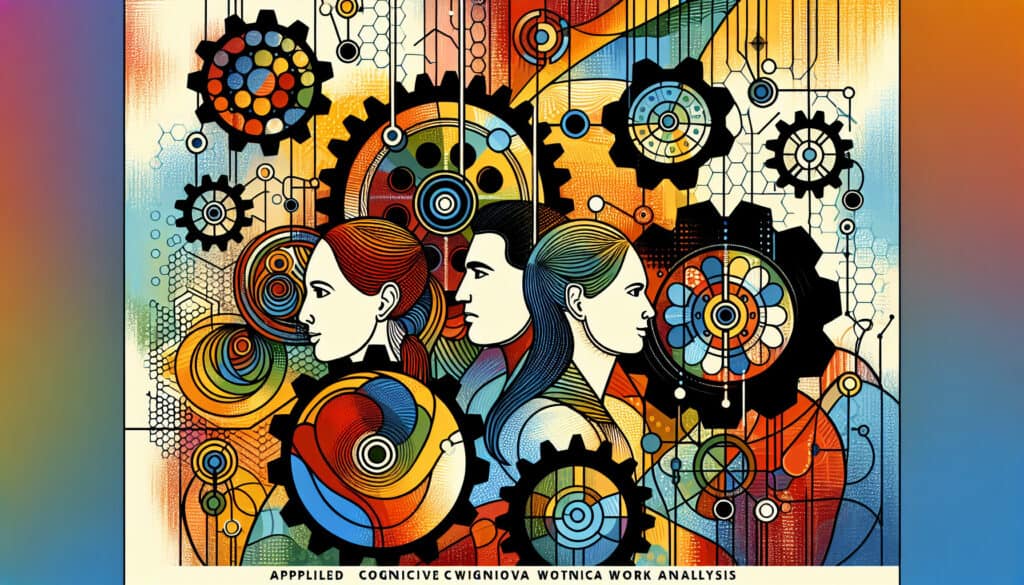
अनुप्रयुक्त संज्ञानात्मक कार्य विश्लेषण (एसीडब्ल्यूए)
संज्ञानात्मक कंप्यूटिंग, निरंतर सुधार, डिज़ाइन थिंकिंग, एर्गोनॉमिक्स, मानव कारक, मानव-केंद्रित डिज़ाइन, प्रक्रिया सुधार, जोखिम प्रबंधन, सिस्टम मॉडलिंग भाषा (SysML)
उद्देश्य:
A framework for analyzing complex socio-technical systems to understand how work is performed.
इसका उपयोग कैसे किया जाता है:
ACWA एक व्यापक कार्य विश्लेषण पद्धति है जो संज्ञानात्मक कार्य विश्लेषण (CWA) और अन्य कार्य विश्लेषण तकनीकों के तत्वों को संयोजित करती है। इसका उपयोग कार्य प्रणाली की सीमाओं और संभावनाओं को समझने और सुधार के अवसरों की पहचान करने के लिए किया जाता है।
फायदे
यह कार्य प्रणाली का समग्र दृष्टिकोण प्रदान करता है, समस्याओं के मूल कारणों की पहचान करने में मदद करता है, और इसका उपयोग अधिक प्रभावी और लचीली प्रणालियों को डिजाइन करने के लिए किया जा सकता है।
नुकसान
यह एक जटिल और समय लेने वाली विधि है, इसे लागू करने के लिए उच्च स्तर की विशेषज्ञता की आवश्यकता होती है, और यह सभी प्रकार की प्रणालियों के लिए उपयुक्त नहीं हो सकती है।
श्रेणियाँ:
इंजीनियरिंग, एर्गोनॉमिक्स, समस्या समाधान
इसके लिए सबसे अच्छा:
प्रदर्शन, सुरक्षा और लचीलेपन में सुधार के लिए जटिल कार्य प्रणालियों का विश्लेषण करना।
Applied Cognitive Work Analysis (ACWA) finds significant application across various industries, particularly in sectors such as aviation, healthcare, and manufacturing, where the intricacies of human interaction with technology and environment necessitate detailed analysis. This methodology can be especially beneficial during the design phase of new systems or processes, where understanding user needs and operational contexts is paramount. Participants typically include multidisciplinary teams comprising system designers, human factors engineers, domain experts, and end-users, facilitating a comprehensive examination of work tasks and user goals. For example, in healthcare, ACWA is employed to redesign workflows that improve patient safety and clinician efficiency, while in aviation, it aids in optimizing cockpit इंटरफ़ेस डिज़ाइन to enhance pilot decision-making. The method assists in identifying latent issues within work systems, such as miscommunications or inefficiencies, allowing teams to propose targeted interventions. It integrates cognitive models with traditional work analysis techniques, creating a systematic approach to identifying and modeling the knowledge, skills, and mental processes required to complete tasks successfully in real work environments. Through workshops and collaborative sessions, ACWA promotes the alignment of organizational objectives with user-centric design, ensuring that the systems developed not only meet performance standards but also enhance user satisfaction and adaptability to unexpected challenges.
इस पद्धति के प्रमुख चरण
कार्यक्षेत्र और उसके परिचालन वातावरण को परिभाषित करें।
इस कार्यक्षेत्र के अंतर्गत कार्य कार्यों और उनसे संबंधित कार्यों की पहचान करें।
कार्य वातावरण और प्रौद्योगिकी द्वारा लगाई गई बाधाओं का विश्लेषण करें।
संज्ञानात्मक मांगों और उनसे संबंधित आवश्यक ज्ञान, कौशल और रणनीतियों का मानचित्रण करें।
कार्यों की परस्पर निर्भरताओं और कार्य प्रदर्शन पर उनके प्रभावों का मूल्यांकन करें।
मौजूदा प्रणालियों में मौजूद कमियों और नवाचार की संभावनाओं वाले क्षेत्रों की पहचान करें।
ऐसी कार्ययोजना तैयार करें जो पहचानी गई बाधाओं और अवसरों के अनुरूप हो।
सिस्टम के हितधारकों से प्राप्त प्रतिक्रिया के आधार पर डिजाइन में सुधार करें।
प्रो टिप्स
कार्य प्रणाली में कार्यरत लोगों से अंतर्निहित ज्ञान प्राप्त करने के लिए ACWA ढांचे के भीतर प्रत्यक्ष अवलोकन विधियों को एकीकृत करें, जिससे अक्सर अनदेखी की जाने वाली छिपी हुई कार्यप्रणालियों और सूक्ष्म अंतःक्रियाओं का पता चल सके।
कार्य परिदृश्यों के सहयोगात्मक अन्वेषण के लिए हितधारक कार्यशालाओं का उपयोग करें, जो विविध दृष्टिकोणों और अनुभवों को शामिल करके बाधाओं और संभावनाओं की पहचान को बढ़ाता है।
ACWA के निष्कर्षों के आधार पर समाधानों के पुनरावर्ती प्रोटोटाइपिंग को शामिल करें, जिससे वास्तविक समय में प्रतिक्रिया प्राप्त हो सके और उपयोगकर्ताओं की आवश्यकताओं और परिचालन वास्तविकताओं के अनुरूप समायोजन किया जा सके।
विभिन्न पद्धतियों को पढ़ने और उनकी तुलना करने के लिए, हम अनुशंसा करते हैं