식품이나 의료와 같은 일부 산업에서는 청결성을 고려한 설계가 필수적이지만, 다른 산업에서는 제품 사용 중에 청결한 상태를 유지하는 것만으로도 충분할 수 있습니다. 이 글에서는 전통적인 방법과 혁신적인 방법을 살펴봅니다. 디자인 팁 및 권장 사항.
유명한 농담으로 시작해 볼까요?샤워는 더러운 사람들만 필요로 한다.�8221; �8230; 사람에게 적용하면 누구나 우스꽝스럽다고 생각하겠지만, 제품에도 마찬가지로 적용되어야 합니다.
제품을 깨끗하게 생산했고 사용 설명서에 주의를 당부했다고 해서 제품이 항상 깨끗하게 유지될 거라고 기대하지 마십시오. 세척이 용이하도록 적극적으로 설계하고 세척 방법을 제공해야 합니다!
식품 및 의료 산업뿐만 아니라,
청소 용이성을 고려한 설계는 필수적인 사양입니다.
이는 제품 품질 인식의 일부이며 사용성제품이 깨끗하다는 이유만으로 영웅이 되는 것은 아니지만, 그렇지 않다면 시장에 즉각적인 부정적 영향을 미칠 것입니다.
머리말: 청결과 소독의 차이
청결과 소독은 구분되어야 합니다.
- 청결: 크기에 상관없이 침전물이 전혀 없어야 합니다 (일반적으로 눈에 보이는 침전물이지만, 기름막이나 작은 먼지는 눈에 보이지 않을 수 있습니다).
- 소독: 어떤 종류의 살아있는 세균도 존재하지 않음 (대개 눈에 보이지 않는 세균이지만, 곰팡이나 유사한 것은 눈에 보일 수 있음)
흔히들 그렇게 말한다.
세척하지 않은 물체는 소독이 불가능합니다.
알아두면 좋아요: 산업 세척 업계에서는 '청결 삼각형'이라는 개념을 사용합니다. 이는 온도, 화학 약품, 움직임이라는 세 가지 요소의 복합적인 작용을 의미합니다. 즉, 한 가지 요소를 줄이면 다른 한두 가지 요소를 늘릴 수 있습니다. 예를 들어, 세척액의 화학 약품 농도를 낮추면서 움직임, 분사, 또는 기포 발생을 추가하는 것입니다.
알아두면 좋아요: 대부분의 오염물질은 온도가 올라가면 부드러워지거나 액체처럼 변하지만, 전분은 드물게 온도가 올라가면 더 단단해지는 예외적인 물질 중 하나입니다. 따라서 이러한 경우에는 청소 또는 소독 방법을 신중하게 선택해야 합니다.
클린 바이 디자인
애초에 청소가 용이하도록 설계해야 합니다. 사용자가 직접 청소하거나, 소유자가 직접 청소하거나, 아예 청소하지 않는 방식이 되어서는 안 됩니다!
시작으로 작지만 좋지 않은 예시 하나 들어보겠습니다. 비행기 승객석의 환기 시스템 인터페이스입니다. 평평한 표면은 회사에서 청소했지만, 움푹 들어간 부분은 확실히… 잘… 판단은 여러분께 맡기겠습니다.
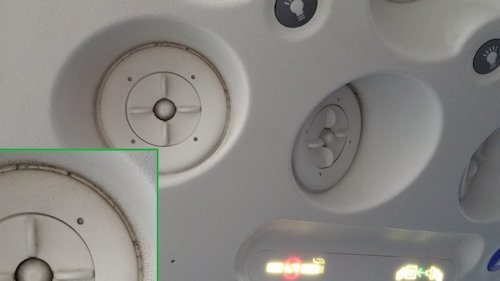
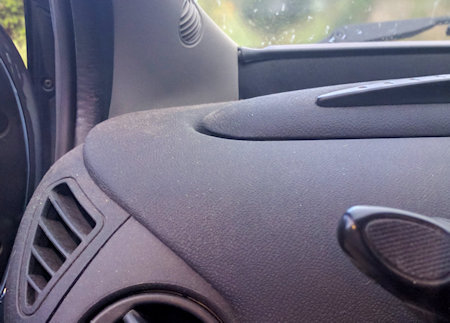
이 작은 곡률 반경이나 플라스틱 표면 질감을 설계할 때 청소 용이성을 전혀 고려하지 않은 것이 분명합니다.
표면 거칠기
생산 공정에 필수적인 요소이든 최종 사용자의 기능이든, 제품의 외관과 내구성을 위해서는 어느 정도의 투박함이 필요할 수 있으므로 분명히 타협이 필요합니다.
최소 내부 반경
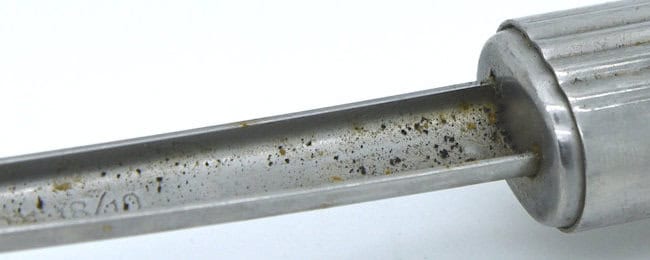
위의 금속 성형품이나 플라스틱으로 성형된 비행기 조종석의 예를 참고하여 무엇을 피해야 하는지 알아보십시오.
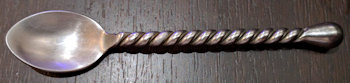
오른쪽에 보이는 은색 꼬임 숟가락처럼 공공 식당에서조차 청결을 고려한 디자인은 아마 사양에 포함되지 않았을 것입니다.
목표는 의도된 청소 방법에 접근하기 쉬운 것이어야 합니다. 클수록 좋지만, 일반적으로는 다음과 같은 크기가 적당합니다. 최소 내부 반경 다음 사항을 준수해야 합니다:
- 자동 CIP(현장 세척) 방식으로 세척 시 제트 분사 기능이 있는 경우 ≥ 2mm
- 브러시로 닦으면 3~4mm 이상
- 손으로 세척할 경우 8mm 이상
잘 조정된 부품들 (당신 생각에는)
적을수록 좋다 is fully applicable here. Do limit the number of different parts as much as possible; refer to all articles on value analysis for that.
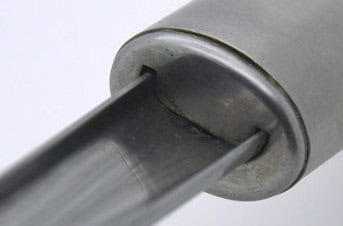
부품 사이의 모든 틈이나 틈새는 청결 문제의 원인이 됩니다. 대부분의 경우 조립 품질에만 의존해서는 안 됩니다. 아무리 잘 만들어진 부품이라도 조립 과정에는 틈새가 존재하여 액체, 이물질 또는 먼지가 끼일 수 있기 때문입니다.
자체 배수 설계
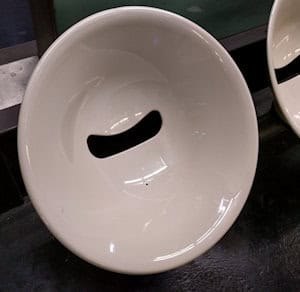
기본처럼 보이지만 가장 간과하기 쉬운 부분 중 하나입니다. 자신도 모르게 '빗물 수집기'를 설계하게 되는 경우가 너무나 흔합니다! 먼지, 오물, 그리고 부식까지 그대로 따라올 수 있습니다.
특히 ~을 위해
- 의료
- 음식
- 공용 장비
- 하지만 개별 주방이나 화장실 설비도 포함됩니다.
접근 가능하거나 교체 가능한 부품
부품 또는 구성 요소이지만 접근 가능해야 합니다.
쉽게 깨끗하게 유지하기 위해 다음과 같은 방법이 있습니다.
- 접근성 좋음: 청소가 필요한 경우 개구부와 하위 조립체 사이의 공간 모두를 고려해야 합니다.
- 일회용 구성 요소: 일반적으로 환자용 의료 탐침에 사용됩니다. 따라서 세척 기능은 생략됩니다. 제조업체와 설계자 입장에서는 일반적으로 더 많은 투자와 생산량이 필요하지만, 결과적으로 사후 판매를 창출할 수 있습니다.
- 청소를 용이하게 하기 위해 분리 가능한 부품이 있습니다. -최적의 시공법- 주로 고급 가전제품에 사용되는 이 방법은 청소가 불가능한 부분이 있거나 제품의 크기가 너무 크거나 깨지기 쉬운 경우 등 거의 모든 산업 분야에 적용할 수 있습니다.
의견: 지난 10년간 시장의 흐름이 사용 편의성과 낮은 초기 투자 비용 때문에 일회용 부품 위주로 바뀌었지만, 환경적인 측면과 총 소유 비용, 그리고 폐기물에 대한 부담감 등을 고려할 때 이러한 추세는 역전될 것이라고 생각합니다.
- more long-lasting glass instead of plastics
- 리필용 유리병, 상자 및 용기 사용량 증가 (최종 사용자 식품 산업)
- 금속 부품 몇 개로 돌아가서 플라스틱과 더 잘 통합되도록 했습니다.
Design for Cleanability examples (or not)

Microwave door handle
A quality microwave with one small Design for Cleanability exception
The handle opening is lean and included/recessed in the door frame. Looks nice and would have a good value analysis.
Also, 인간 공학 is great (hand width and thickness + function location is visible enough)
… but to notice is dust or liquid collector. A large bottom opening would have likely added some mold complexity and cost but would have permitted to limit the wash, and when done wash easier

Cast-iron tile
Looks great, thick, heavy, and of high quality … if these 5mm recesses were facing upwards and placed everywhere in that public restaurant. “Designed by recesses” one could say.
A good example where a choice has to be made, in this example visual against the ability to clean and maintain clean (More than 20 meters long of such tiles in that restaurant)
Solutions here: cast some transparent resin in the gaps to have a flat surface? or cover it with glass and seal it on the side? or not seal but remove it from time to time to clean?

The hospital handrail
A typical example where cleanness is(should?) the 2nd Function, just after “strength to support the patient”.


Have a look at all the detailed pictures in the gallery. Can be challenged:
- the support fixtures to the wall: screw holes, screw openings, spacing around to let an automatic screwdriver and avoid angle. Furthermore, the support shape is machined from an aluminum profile: the shape is made with a recess so that it applies firm to the wall, but that lets an open space on both sides
- tube ends: is it supposed to end like that or are the ends not existing or missing? Nevertheless, prone to dirt and impossible to clean, if not invaded by aliens (chewing gum in this case)
- bottom groove: permits to place the support at any place and to join bar ends without additional machining … at a cost of a completely noncleanable area (yes it seems to be a plastic cover for that groove … just making more non-perfectly closed volumes)
All these ~할 수 있다 be solved, but for sure at some design cost + possibly some mounting efficiency cost.
Other Examples


Self-cleaning Materials Examples
For sure a very innovative sector to help in the Design for Cleanability, with the best yet to come with nano-technologies. A mix of physics & chemistry, with plenty of technics and applications.
- the window glass used for modern buildings has developed some self-cleaning coatings
- copper has some natural anti-bacterial properties known for a long time. But be careful with some association lobbying on that, as the easy corrosion of pure copper or alloys may supersede this advantage in some conditions. Refer also to the initial remark about disinfection is not cleaning.
- 티탄 oxide deposits have been demonstrated to have a disinfection property by light catalytic effect. Trending!
- chemicals included in the compound in injected plastics. Mind the change of the plastic properties, so as aging & discoloration of the surfaces.
Important note: mind that it’s not a too-well-mature sector yet. Some aspects of self-cleaning materials are not well documented yet:
- not selecting some germs & letting others prosper even faster?
- not increasing resistance of germs, leading to a future disaster?
- human biocompatibility

Summary on Design for Cleanability
Here more than elsewhere, forms follow function (fff) and forms make function (maintain clean) are keys.
Most of the time it costs only more to think about the 치사한 사람 design, and frequently it produces even cheaper products, the final product having fewer parts to produce and fewer parts to assemble!
And last least: use the color trick when acceptable! some mid-dark colors or grey makes dirt not-so-visible. This is of course not the main recommended approach in Design for Cleanability as it is not cleaning but hiding, but could be a complementary way to go in some products.
External Links on Product Cleanability and Chemical Resistance Testing
국제 표준
(링크 위에 마우스를 올려놓으면 콘텐츠에 대한 설명을 볼 수 있습니다.)
사용된 용어집
Carriage and Insurance Paid To (CIP): 운송 조건 중 하나로, 판매자가 지정된 목적지까지의 상품 운송 및 보험료를 부담하고, 상품을 운송업체에 인도하는 순간 위험이 구매자에게 이전됨을 의미합니다.
Computer Aided Design (CAD): 엔지니어링, 건축, 제조 등 다양한 분야에서 설계를 생성, 수정, 분석 및 최적화하는 데 사용되는 소프트웨어 응용 프로그램으로, 디지털 도구와 기술을 통해 정밀한 도면과 모델을 만들 수 있습니다.
Computer-Aided Design (CAD): 엔지니어링, 건축, 제조 등 다양한 분야에서 설계를 생성, 수정, 분석 및 최적화하는 데 사용되는 소프트웨어 응용 프로그램으로, 디지털 도구와 기술을 통해 정밀한 도면과 모델을 만들 수 있습니다.
instruction For Use (IFU): a document that provides detailed information on the proper use, handling, and maintenance of a medical device or product, ensuring safety and effectiveness for users.