Product Design, Manufacturing & Innovation Resources
» 製品デザイン » 方法論 » 製品開発におけるテクノロジーロードマップを作成する最も効果的な方法

製品開発におけるテクノロジーロードマップを作成する最も効果的な方法

テクノロジーロードマップ

「未来は、今日その準備をする人々のものだ。」 – マルコムX

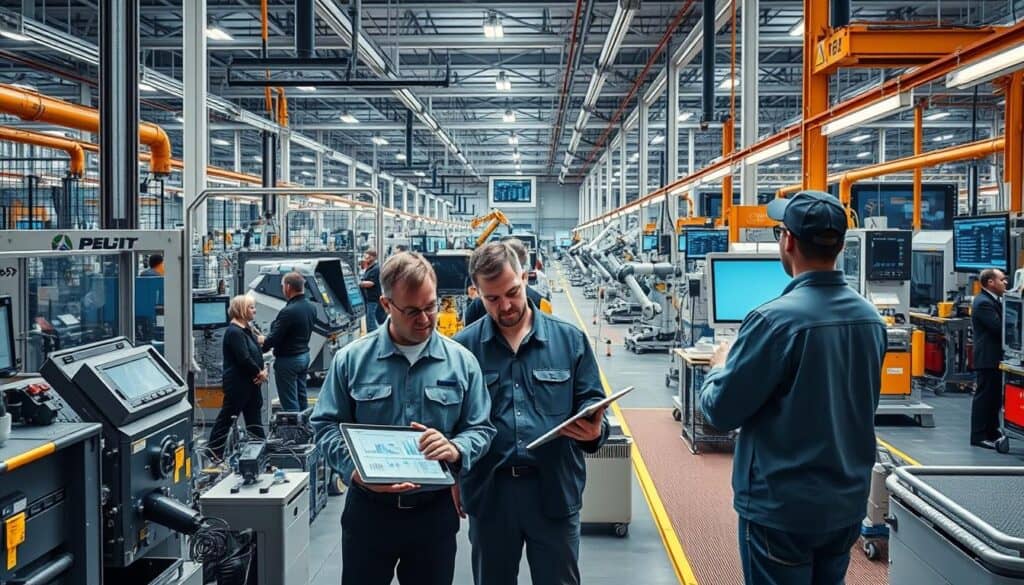
今日の急速に変化するテクノロジーの世界では、 テクノロジーロードマップ のために 製品開発 が鍵です。それはイノベーションを導き、プロジェクトを目標に合わせる地図のようなものです。 テクノロジーロードマップ企業は全体像を把握し、重要な目標と資源の活用方法を認識する。

これは優先順位の設定や賢明な選択に役立ちます。このロードマップを作成するための最適な方法を見ていきましょう。これにより、テクノロジーを業務にスムーズに統合し、より大きな成功を収めることができるでしょう。

主なポイント

  • テクノロジーロードマップには、プロジェクト計画ロードマップ、製品ロードマップ、プラットフォームロードマップなど、さまざまな種類があります。
  • 優れたテクノロジーロードマップには、SMART目標、タイムライン、 ガントチャート重要なマイルストーン、およびリスクチェック。
  • それを作成するということは、戦略目標を設定し、現在の技術を調査し、関係者を巻き込み、最初に何に取り組むかを選択することを意味します。
  • ロードマップを有効に保つには、部門横断的なチームワークと継続的な更新が必要です。

製品開発におけるテクノロジーロードマップとは何ですか?

テクノロジーロードマップ 企業がテクノロジーを活用して目標を達成できるよう支援します。重要なテクノロジープロジェクトに集中し、リソースの無駄遣いを避け、新たなテクノロジーの機会を積極的に活用できるようサポートします。

定義と目的

これは、企業が目標達成のためにテクノロジーをどのように活用するかを示す計画です。このロードマップによって、テクノロジー計画が容易になります。テクノロジープロジェクトを企業の目標や投資と整合させることができます。この明確な計画は、ステークホルダーの関与を高め、賢明なテクノロジー投資の選択を導きます。

テクノロジーロードマップの種類

テクノロジーロードマップには様々な種類があり、それぞれに特別な焦点があります。

  • 製品ロードマップ: これらは短期的な計画であり、今後6~12ヶ月を見据えたものです。市場や顧客の変化に迅速に対応することを目指しています。
  • 技術ロードマップ: 1年から3年を対象としたこれらの計画は、企業の技術目標を達成するための具体的な手順を詳細に示しています。これにより、リソースの有効活用と技術ビジョンの共有が確保されます。
  • プラットフォームのロードマップ: 彼らは、主要な技術プラットフォームの開発と、それらを企業の技術体制に組み込む方法を具体的に計画する。
  • アプリケーションのロードマップ: 彼らは主要なビジネスソフトウェアのライフサイクルとアップデートを計画する。
  • ITシステムロードマップ: CRMやERPといった大規模システムの計画に重点を置く。これらのシステムが重要なビジネス活動を確実にサポートするようにする。

The different roadmaps help manage tech debt by planning for updates and improvements. This keeps the tech stack stable and growable. They also link tech チーム with company goals, aiding in smart tech and architecture choices.

テクノロジーロードマップによってもたらされる戦略的な整合性により、組織は新たな技術動向や市場ニーズに効率的に適応できるようになる。

ロードマップの種類 時間枠 集中
製品ロードマップ 6~12ヶ月 顧客ニーズと市場動向
技術ロードマップ 1~3歳 資源、スキル、技術
プラットフォームロードマップ 変数 主要プラットフォームの開発と統合
アプリケーションロードマップ 変数 ソフトウェアのライフサイクルとアップデート
ITシステムロードマップ 変数 主要システムとその機能

効果的な技術計画には、確固たる技術ロードマップが不可欠です。短期および長期プロジェクトの両方において、デジタル目標達成に向けた段階的なアプローチを支援します。これは企業の技術構造の基盤であり、技術革新と戦略的成長を導く指針となります。

現在の製造工場の能力を評価する

将来の技術革新に備えるためには、製造工場の能力を評価することが不可欠です。これには、現在のシステムと設備を検証することが含まれます。これにより、強みと改善すべき点を明確にすることができます。

テクノロジー監査の実施

技術監査は、現在の技術状況を把握するために不可欠です。システムの一覧を作成し、その機能を確認し、弱点を特定する必要があります。2023年のデロイトのレポートによると、製造業のリーダーの86%が、スマートファクトリー技術が今後数年間で競争力を高めると考えています。これは、工場がデジタル変革に対応できるよう、徹底的な技術評価を行うことの重要性を示しています。

手作業中心の従来型段階からデジタルファースト段階への移行には、戦略的な計画が必要です。そのためには、新しいテクノロジーへの投資、そして多くの場合、企業文化の変革が求められます。これらの段階は、継続的なイノベーションと、アナリティクス、AI、機械学習といった高度なテクノロジーに依存しています。

ステージ 特徴
伝統的な舞台 手作業による工程、伝統的な方法 基本的な製造設備
新興段階 デジタル技術を使い始める デジタル在庫管理、基本的な自動化
デジタルファーストステージ 絶え間ない革新、先進技術の活用 プロセスにおけるAI、機械学習

Tech audit

ユーザーインタビューとアンケート調査

デジタル成熟度段階の切り替えは、ユーザーからのフィードバックから学ぶことにも左右されます。フィードバックは、テクノロジーの影響をリアルタイムで把握し、改善すべき点を明確に示します。業界の専門家は、デジタル変革は単に新しいテクノロジーを導入することだけではなく、運用面とユーザーのニーズを満たす詳細な計画が重要だと述べています。

Defining Project and Future Manufacturing Plant Goals

In today’s world, it’s key to define your project goals and the aims of your future manufacturing plant clearly. By setting SMART goals, your projects become specific, measurable, achievable, relevant, and time-bound. These goals must align with your organization’s overall strategy.

Setting SMART Goals

Creating SMART goals means carefully looking at what your manufacturing can now do and what it will need to do. Goals need to be clear to provide a roadmap. They must include ways to measure success, be achievable, fit with the wider business aims, and have deadlines. This method ensures goals help your strategy and are practical.

Aligning with Strategic Objectives

Aligning with strategic objectives is crucial for turning plans into real results. By matching your goals with the business’s main aims, your efforts are more united. This makes departments work better together, helps use resources well, and tackles key areas like keeping the business going, making processes automatic, and updating systems.

Setting project goals in line with strategy helps manage changes and surprises. It makes your organization more flexible and strong.

Key Areas Objectives
Strategy and Systems Assessment Align business and system goals, support growth or cost reduction
サイバーセキュリティ Ensure data protection and business continuity
Business Continuity Maintain operations during disruptions, market pivots
Process Automation and Improvement Increase efficiency, reduce operational costs

Investing Resources in Research rather than in Current Development

Putting money into research and current development keeps companies ahead. They must manage resources well. This means balancing new ideas with improving what they already have. A crucial part of this is investing smartly in technology. Funds should go to projects with great promise.

Technology investment

Balancing Innovation and Improvement

Managing resources well means finding a middle ground. It’s about funding tech that’s cutting-edge and improves existing processes. Take the infrastructure bill as an example. It put $9.5 billion into clean hydrogen and $10 billion into 二酸化炭素回収. These projects mix new tech with upgrades, showing a strategic approach to innovation.

Resource Allocation

Deciding which projects get money is key in planning tech investments. It’s about judging their potential payoff and how important they are. For instance, $12 billion is going towards advanced nuclear reactors. Also, the National Science Foundation will get $3.5 billion for research and upgrades. Allocating resources this way helps companies grow sustainably.

Dealing with challenges like shifting goals and focusing too much on resources can be improved. It requires an integrated tech roadmap. This starts with setup and is followed by refinement. Here, managers choose priorities that fit the company’s strategy. They also check if they have everything needed to succeed. This organized strategy in managing resources can spark efficient, impactful innovations.

Creating a Technology Planning Framework

Building a strong technology planning フレームワーク is key for success. It helps align tech efforts with the goals of the organization. At the same time, it ensures resources are used well and stakeholders stay involved.

主要コンポーネント

A good planning framework has clear goals, and identifies needs for resources and training. Goals must be SMART: specific, measurable, achievable, relevant, and time-bound. This makes sure everyone knows the purpose behind tech projects.

Identifying new system capabilities and noting potential risks are critical steps. This complete view helps predict challenges and improve efficiency. It aids in boosting productivity across various departments.

Best Practices

Following best practices for roadmap creation is vital for a strong technology framework. It’s important to include different teams in making the roadmap. Such collaboration sparks innovation and links tech strategies to business goals.

Technology framework components It keeps communication clear and ensures everyone is on the same page. Laying out a release schedule, prioritizing tasks, and setting a timeline are key for success.

利点 説明
Clear Direction Provides a strategic framework for guiding technology initiatives, enhancing business processes.
Resource Allocation Enables effective allocation of resources by prioritizing projects based on impact and feasibility.
Risk Mitigation Outlines potential risks and dependencies, facilitating proactive management and risk mitigation.
Stakeholder Engagement Encourages input and buy-in from cross-functional teams, fostering collaboration and alignment.
Evaluation and Adaptation Utilizes performance metrics for continuous evaluation and adaptation of the roadmap.

Stakeholder Engagement and Collaboration

Effective stakeholder engagement is key for tech roadmap development. It involves different groups like top bosses, IT experts, and users. This means everyone understands the plans and feels they have a part in them.

Stakeholder engagement

A good technology roadmap is like a guide. It shows what needs to be done and why, in line with the company’s goals. It talks about the tech we have, our aims, plans, progress, resources, challenges, and timelines. This way, everyone involved knows what’s expected and works together well.

Asking for ideas from the team helps make the roadmap suit their needs. This makes the plan better and more likely to succeed in bringing change.

Benefits of stakeholder engagement 詳細
Alignment with Business Objectives Ensures technology initiatives are in line with strategic goals.
Enhanced Collaboration Facilitates input from diverse teams for a more comprehensive roadmap.
Resource Efficiency Promotes optimal allocation of resources and minimizes duplicate efforts.
Improved Communication Ensures all stakeholders are aware of their roles and the roadmap’s direction.

It’s vital to share the tech roadmap with everyone involved. Break down the goals so they’re clear and measurable. Use KPIs to see how things are going. Tech roadmaps are crucial for meeting the company’s big picture goals, making sure tech investments help us reach our vision.

Developing a Timeline for Implementation

Creating a realistic timeline is key to a successful technology plan. It’s important to look at several factors to make a good timeline. This includes checking resource availability, market trends, and what the organization needs.

Factors to Consider

When making a timeline, you need to think about:

  • Resource Availability: It’s critical to know what human, financial, and tech resources are available to meet deadlines.
  • Market Conditions: Understanding current and upcoming market trends can help adjust the timeline to grab opportunities and avoid risks.
  • Organizational Priorities: The timeline should match the organization’s goals to ensure the tech plan helps the business.

Using Gantt Charts

ガント charts are great for showing the project schedule. They make it easy to see project steps and how they depend on each other. Here’s why Gantt charts are helpful:

利点 詳細
Clear Visualization Gantt charts show the project timeline clearly, helping everyone understand key moments and how tasks are linked.
Enhanced Communication With Gantt charts, teams can share the project schedule clearly, making sure all understand the plan.
Realistic Scheduling Gantt charts allow for making schedules that really fit with available resources and timelines, avoiding impossible deadlines.

Using Gantt charts helps in planning and managing tech projects better. They support a more organized and clear way of working. This approach minimizes problems and supports steady progress and growth.

Prioritizing Technology Initiatives

It’s key to get technology initiatives in order for a great tech roadmap. We’ll look at how to weigh both the impact and the effort needed. We’ll also consider the risks. Picking the right projects to start with helps make sure we’re going for the ones that help most.

Impact vs. Effort

It’s crucial to match each initiative’s impact with the effort it requires. We need to see how these efforts help achieve business goals and better the tech setup.

  1. High Impact, Low Effort: these projects are top priority. They offer big benefits for little input.
  2. High Impact, High Effort: these need more resources but are worth it for their alignment with company goals.
  3. Low Impact, Low Effort: these can wait or be scheduled for later.
  4. Low Impact, High Effort: requires lots of work for minimal returns. Think carefully before committing resources here.

Risk Assessment

Assessing risks along with impact and effort is key. Understanding potential hurdles lets us plan how to overcome them. This way, we can keep projects on track and aim for success.

Risk Factor 説明 Mitigation Strategy
Technical Challenges Potential technical hurdles that could delay implementation. Thorough testing and flexible project plans.
Resource Constraints Limited human or financial resources to execute the project. Effective resource allocation and continuous monitoring.
Market Changes Shifts in market conditions that affect project relevance. Dynamic and responsive roadmap adjustments.

Using these methods for picking initiatives and managing risks helps shape doable tech roadmaps. It tackles IT problems while improving the tech setup for success in both strategy and operation.

Monitoring and Adapting the Technology Roadmap

Keeping a technology roadmap up to date is crucial for success. Using project tracking tools is key. These tools give teams immediate updates. This lets them change the roadmap quickly as needed.

Project Tracking Tools

Tools like Jira, Asana, or Trello are great for watching technology projects closely. They make it easy to update everyone on progress. And they help make sure tasks are clearly assigned.

They come with Gantt charts and can track milestones. This keeps teams focused on near and far-off goals.

時間枠 説明
Short-term Projects planned for the next few months to a year.
Medium-term Initiatives scheduled for one to three years.
Long-term Tech initiatives spanning beyond three years.

Adjusting for Changes

Being able to adapt is key in adaptive planning. Technology and business change fast. So, technology roadmaps need regular updates. Using project tracking tools helps teams shift things like resources and goals with ease.

Teams should check on milestones and possible risks often. It’s also smart to keep talking to stakeholders. This way, the roadmap stays relevant and useful.

Summary of Technology Roadmap Best Practices

To create a successful technology roadmap, focusing on technology planning excellence is key. Organizations should follow key best practices to build an effective roadmap strategy.

Setting clear goals is crucial. It’s important to outline goals, timelines, key milestones, and performance metrics. By matching these goals with business objectives, firms can link their vision to practical plans in the roadmap.

Starting with a detailed current state assessment helps identify tech needs. This includes looking at current systems, processes, and tech setups. Engaging stakeholders through interviews and surveys adds valuable insights.

Being flexible in planning is vital. Roadmaps should list projects by importance, urgency, and doability. It’s essential to think about using money, people, and tech wisely. Including strategies for handling risks, like laying out plans for problems and monitoring, is also key.

Employing strong tools like Jira makes managing the roadmap easier. These tools help by providing visual guides, focusing on objectives, and allowing for quick changes. Also, updating the roadmap regularly keeps it current with new trends or needs.

要素 説明
Goal Setting Defines clear objectives, timelines, milestones, and performance metrics aligned with strategic business goals.
Current State Assessment Evaluates existing systems, processes, and technology stack for comprehensive understanding.
Stakeholder Engagement Gathers input through interviews, workshops, surveys, and questionnaires for a well-rounded perspective.
Resource Allocation Consideration of financial, human, and technological resources for project implementation.
リスク管理 Includes risk identification, mitigation strategies, contingency planning, and performance monitoring.
Project Tracking Tools Utilizes tools like Jira for visual roadmaps, real-time visibility, and agile planning.
Regular Reviews and Updates Ensures the roadmap remains dynamic and responsive to changing business needs.

Following these best practices helps companies build a strong technology planning excellence. This leads to smarter tech investments and uses.

結論

In our fast-paced tech world, having a good technology roadmap is key. It helps plan out our tech needs in line with the best standards. This plan makes sure we use our resources well, boosting our work and new ideas.

Creating this roadmap starts with a detailed tech check and setting clear, smart goals. Each step is vital for bringing in new tech smoothly. It helps everyone understand why we’re spending on new tech. This unity is key for getting the support needed to meet our goals.

With set timelines and costs, companies can plan better. This makes sure everyone moves together in a well-thought-out way towards tech changes.

Tech roadmaps look at the big and small picture, making them useful on many levels. Keeping them up-to-date lets companies stay on track with their tech and business plans. It leads to smarter choices and lets everyone do their best, pushing growth and new ideas.

補足資料と方法

  • Strategic planning: SWOT Analysis (Strengths, Weaknesses, Opportunities, Threats), Scenario Planning
  • Change management: Kotter’s 8-Step Process, ADKARモデル
  • Market analysis: PESTLE Analysis, Porter’s Five Forces
  • 製品ライフサイクル Management (PLM): stage-gate process, lean product development
  • Business model innovation: Business Model Canvas, 価値提案 デザイン
  • Digital transformation: Digital Maturity Model, Cloud Computing Integration
  • Trend analysis: PEST Analysis (Political, Economic, Social, Technological)

よくある質問

What is a technology roadmap in product development?

A technology roadmap is a strategic plan that uses tech to meet business goals. It spots tech opportunities while preventing wasted resources. This keeps companies agile and focused.

What types of technology roadmaps exist?

Many types of technology roadmaps are used, such as project plan and product roadmaps. Others include platform, technical, and application roadmaps. Each type has a special focus to help industries and companies succeed.

How does one conduct a technology audit?

To do a technology audit, start with a list of your tech systems. Check what they do well and what they don’t. This helps you know what tech you have and plan tech improvements.

Why are user interviews and surveys important in tech audits?

User interviews and surveys give feedback directly from end-users. They highlight how technology performs and where it can get better. This makes sure your tech plans are on the right track.

How should resources be allocated between innovation and current development?

Balancing resources means looking at what your operations need now and what innovations could bring. Choose projects that offer both value and align with your strategy. This way, you support existing services while exploring new ideas.

What are the key components of a technology planning framework?

A solid tech planning framework has clear milestones, resource plans, and measures of success. It’s also important to work with teams from different areas to get a variety of ideas and support.

How can stakeholder engagement be ensured in tech roadmap development?

To get everyone involved in tech planning, hold workshops and interviews. Work together. This approach builds a shared commitment and ensures the tech roadmap works for everyone.

How can technology initiatives be prioritized?

Deciding what tech to focus on means looking at how much effort something needs versus its potential benefits. Identifying risks up front helps you tackle challenges early on.

How important is ongoing monitoring in a technology roadmap?

Constantly watching how things are going with your tech roadmap is key. Using tools to track progress lets you adjust to new tech, business shifts, or changes in what customers want.

用語集

Customer Relationship Management (CRM): a system for managing a company's interactions with current and potential customers, utilizing data analysis to improve business relationships, enhance customer retention, and drive sales growth. It integrates various communication channels and automates processes to streamline customer engagement.

Enterprise Resource Planning (ERP): 財務、人事、製造、サプライチェーンといった主要なビジネスプロセスを統合したソフトウェアソリューション。業務の効率化、データ精度の向上、組織全体の意思決定の強化を実現する。

Key Performance Indicator (KPI): a measurable value that demonstrates how effectively an organization is achieving key business objectives, often used to evaluate success at reaching targets.

Product Lifecycle Management (PLM): 製品のライフサイクルを、構想段階からエンジニアリング設計、製造、サービス、廃棄に至るまで体系的に管理するアプローチであり、人材、プロセス、データ、テクノロジーを統合することで、製品品質の向上、市場投入までの時間の短縮、関係者間の連携強化を図る。

Specific Measurable Achievable Relevant Timely (SMART): 明確で、定量化可能で、達成可能で、より広範な目標と整合し、期限が定められた目標を設定するための枠組みであり、効果的な計画立案と進捗状況の評価を促進する。

取り上げるトピック: テクノロジーロードマップ、製品開発、戦略目標、SMART目標、ガントチャート、主要マイルストーン、リスク評価、ステークホルダーの関与、テクノロジー監査、デジタルトランスフォーメーション、ユーザーフィードバック、デジタル成熟度、プロジェクト目標、運用ニーズ、リソース配分、イノベーション、テクノロジー評価、ISO/IEC 42010、ISO/IEC 33020、ISO/IEC 27001、ISO 9001、およびISO 21500。

歴史的背景

1950
1955
1956
1960
1960
1960
1960
1950
1950
1955
1958
1960
1960
1960
1960

(日付が不明または関連性がない場合、例えば「流体力学」などでは、その注目すべき出現時期の概算値が提示されます。)

人気記事

トップオリジナルツール

フルサイズの画像とダウンロードは、登録会員のみが100%無料で利用できます。