Product Design, Manufacturing & Innovation Resources

रचनात्मक समस्या समाधान (सीपीएस)

Creative Problem Solving

रचनात्मक समस्या समाधान (सीपीएस)

उद्देश्य:

समस्याओं को हल करने या अवसरों की पहचान करने के लिए एक संरचित प्रक्रिया, जिसकी परिकल्पना एलेक्स ओसबोर्न और सिडनी पार्नेस ने की थी।

इसका उपयोग कैसे किया जाता है:

फायदे

नुकसान

श्रेणियाँ:

इसके लिए सबसे अच्छा:

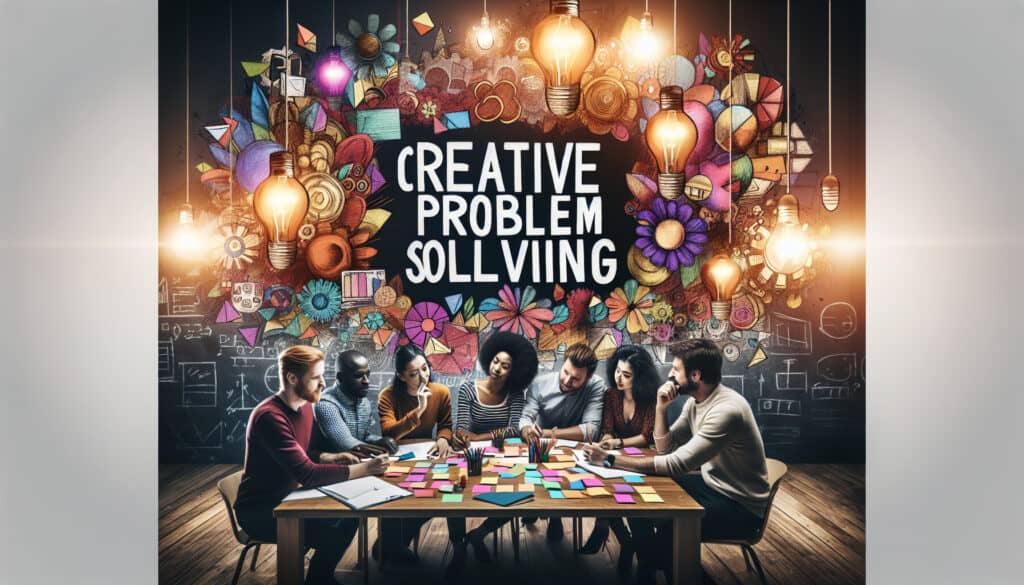
Creative Problem Solving (CPS) is particularly effective in industries such as product design, technology development, and engineering, where teams face multifaceted challenges requiring innovative approaches. It finds application in sectors like healthcare, where teams tackle issues ranging from patient experience enhancements to medical technology advancements, and in consumer goods, where companies are focused on meeting evolving customer needs and preferences. CPS is ideally implemented during the ideation and prototype phases of product development, allowing teams to explore various concepts and refine their ideas based on user feedback and testing. Cross-disciplinary collaboration among participants such as designers, engineers, marketers, and end-users is encouraged, inviting diverse viewpoints and fostering creativity. This methodology promotes a safe environment for brainstorming without fear of judgment, thereby stimulating a wide array of potential solutions. An example of its application is in automotive design, where teams might address not only aesthetic concerns but also functionality, safety, and sustainability, necessitating a thorough investigation of existing constraints and opportunities before arriving at a final design. The flexibility of the CPS approach allows organizations to adapt it to fit specific contexts and challenges, making it applicable not just in corporate settings, but also in educational environments where students engage in project-based learning and are taught to think innovatively. This structured approach not only increases the likelihood of generating effective solutions but also enhances team cohesion and collective problem-solving capability.

इस पद्धति के प्रमुख चरण

  1. चुनौती या अवसर की पहचान करें।
  2. समस्या कथन को स्पष्ट करें।
  3. विचार मंथन या अन्य रचनात्मक तकनीकों के माध्यम से विचार उत्पन्न करें।
  4. व्यवहार्यता और प्रभाव के आधार पर विचारों को परिष्कृत करें और प्राथमिकता दें।
  5. चयनित समाधानों के प्रोटोटाइप या मॉडल विकसित करें।
  6. प्रोटोटाइपों की प्रभावशीलता का परीक्षण और मूल्यांकन करें।
  7. सर्वोत्तम समाधान लागू करें और परिणामों की निगरानी करें।

प्रो टिप्स

  • समस्या को स्पष्ट करने के चरण के दौरान, उपयोगकर्ता की जरूरतों और परेशानियों को गहराई से समझने के लिए सहानुभूति मानचित्रण का उपयोग करें।
  • विचारों का तेजी से परीक्षण करने के लिए रैपिड प्रोटोटाइपिंग को शामिल करें, जिससे पूर्ण कार्यान्वयन से पहले पुनरावृत्ति प्रतिक्रिया और परिष्करण की अनुमति मिल सके।
  • पारंपरिक सोच से आगे बढ़ने और मौजूदा अवधारणाओं को नए समाधानों में परिष्कृत करने के लिए विचार-मंथन के दौरान SCAMPER तकनीक का प्रयोग करें।

विभिन्न पद्धतियों को पढ़ने और उनकी तुलना करने के लिए, हम अनुशंसा करते हैं

> व्यापक कार्यप्रणाली भंडार  <
अन्य 400 से अधिक पद्धतियों के साथ।

इस कार्यप्रणाली पर आपकी टिप्पणियाँ या अतिरिक्त जानकारी का स्वागत है। नीचे टिप्पणी अनुभाग देखें ↓ , साथ ही इंजीनियरिंग से संबंधित कोई भी विचार या लिंक।

ऐतिहासिक संदर्भ

1950
1955
1956
1960
1960
1960
1960
1950
1950
1955
1958
1960
1960
1960
1960

(यदि तिथि अज्ञात है या प्रासंगिक नहीं है, उदाहरण के लिए "द्रव यांत्रिकी", तो इसके उल्लेखनीय उद्भव का एक अनुमानित आंकड़ा प्रदान किया गया है)


संबंधित पोस्ट

पंजीकृत सदस्यों के लिए पूर्ण आकार की छवियाँ और डाउनलोड 100% निःशुल्क उपलब्ध हैं।