Product Design, Manufacturing & Innovation Resources

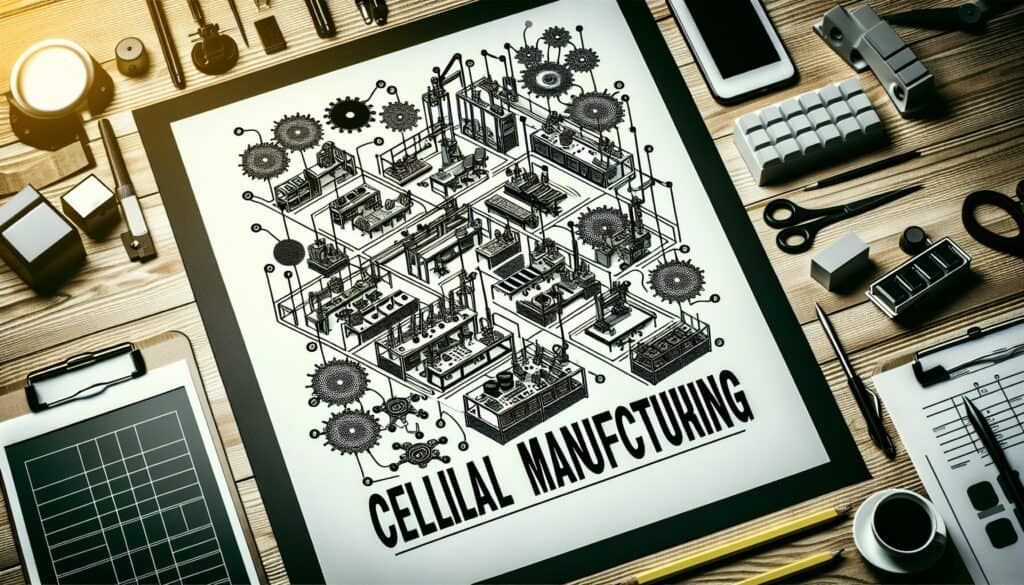
Cellular Manufacturing

Cellular Manufacturing

Cellular Manufacturing

उद्देश्य:

उत्पादन क्षमता को बेहतर बनाने के लिए, भिन्न-भिन्न मशीनों को ऐसे समूहों में बाँटा जाता है जो समान प्रसंस्करण आवश्यकताओं वाले उत्पादों (भाग परिवारों) पर काम करते हैं।

इसका उपयोग कैसे किया जाता है:

फायदे

नुकसान

श्रेणियाँ:

इसके लिए सबसे अच्छा:

Cellular manufacturing is particularly effective in industries such as automotive, electronics, and appliance manufacturing, where product lines often consist of a variety of components requiring customized assembly processes. This methodology is most beneficial during the design and development phases of new products, where early collaboration among engineers, designers, and production teams can lead to more efficient workflows. The implementation of cellular manufacturing typically begins with a thorough analysis of the product family to identify similarities and group related components, which enables the design of cells that can efficiently deal with variations in production. Participants including production supervisors, quality assurance personnel, and manufacturing engineers are crucial in defining the specific tasks and responsibilities within each cell. This collaborative approach not only enhances communication among team members but also fosters a sense of ownership and accountability, leading to improved worker morale. Furthermore, the layout of the production area can facilitate better ergonomic practices and minimize operator fatigue, which in turn translates to higher quality outputs and lower defect rates. Companies that incorporate cellular manufacturing may use techniques such as just-in-time inventory and lean principles to further enhance productivity, thereby reducing costs associated with excess inventory and prolonging lead times. Continuous improvement initiatives, like Kaizen, are often applied alongside cellular manufacturing, allowing teams to regularly assess and refine their processes to stay competitive in fast-paced markets.

इस पद्धति के प्रमुख चरण

  1. उत्पादित किए जाने वाले समान भागों के परिवार की पहचान करें।
  2. कार्यप्रवाह और स्थान दक्षता को ध्यान में रखते हुए सेलुलर लेआउट को डिजाइन करें।
  3. आवश्यक कार्यों के क्रम के आधार पर उपकरणों और वर्कस्टेशनों को समूहबद्ध करें।
  4. टीम के सदस्यों को उनकी कौशल क्षमताओं के आधार पर सेल के भीतर विशिष्ट भूमिकाएँ सौंपें।
  5. सेल के भीतर प्रत्येक ऑपरेशन के लिए मानकीकृत कार्य प्रक्रियाओं को लागू करें।
  6. कार्यप्रवाह और गुणवत्ता की निगरानी के लिए दृश्य नियंत्रण और उपकरण स्थापित करें।
  7. प्रदर्शन और प्रतिक्रिया के आधार पर नियमित समीक्षा और समायोजन करें।
  8. सेल संचालन पर कर्मचारियों को प्रशिक्षित करें और लचीलेपन के लिए क्रॉस-ट्रेनिंग को प्रोत्साहित करें।
  9. कार्यकुशलता मानकों और उत्पाद की गुणवत्ता के आधार पर डिजाइन और प्रक्रियाओं में सुधार करें।

प्रो टिप्स

  • कार्यप्रवाह में आने वाली बाधाओं की पहचान करने और इष्टतम दक्षता के लिए वर्कस्टेशनों पर कार्यभार को संतुलित करने के लिए नियमित रूप से प्रक्रिया प्रवाह का विश्लेषण करें।
  • कर्मचारियों के लिए क्रॉस-ट्रेनिंग लागू करें ताकि लचीलापन बढ़ाया जा सके और मांग में उतार-चढ़ाव होने पर कार्यों और सेल के बीच आसानी से आवागमन हो सके।
  • सेल की प्रभावशीलता का लगातार आकलन करने के लिए प्रदर्शन मैट्रिक्स का उपयोग करें, और वास्तविक समय के उत्पादन डेटा के आधार पर लेआउट और संसाधनों को समायोजित करें।

विभिन्न पद्धतियों को पढ़ने और उनकी तुलना करने के लिए, हम अनुशंसा करते हैं

> व्यापक कार्यप्रणाली भंडार  <
अन्य 400 से अधिक पद्धतियों के साथ।

इस कार्यप्रणाली पर आपकी टिप्पणियाँ या अतिरिक्त जानकारी का स्वागत है। नीचे टिप्पणी अनुभाग देखें ↓ , साथ ही इंजीनियरिंग से संबंधित कोई भी विचार या लिंक।

ऐतिहासिक संदर्भ

1950
1955
1956
1960
1960
1960
1960
1950
1950
1955
1958
1960
1960
1960
1960

(यदि तिथि अज्ञात है या प्रासंगिक नहीं है, उदाहरण के लिए "द्रव यांत्रिकी", तो इसके उल्लेखनीय उद्भव का एक अनुमानित आंकड़ा प्रदान किया गया है)


संबंधित पोस्ट

पंजीकृत सदस्यों के लिए पूर्ण आकार की छवियाँ और डाउनलोड 100% निःशुल्क उपलब्ध हैं।