Product Design, Manufacturing & Innovation Resources

निरंतर प्रवाह

निरंतर प्रवाह

निरंतर प्रवाह

उद्देश्य:

ऐसी स्थिति प्राप्त करना जहां उत्पादन प्रणाली में चल रहे कार्य न्यूनतम रुकावटों, इन्वेंट्री और प्रतीक्षा समय के साथ सुचारू रूप से प्रवाहित हों।

इसका उपयोग कैसे किया जाता है:

फायदे

नुकसान

श्रेणियाँ:

इसके लिए सबसे अच्छा:

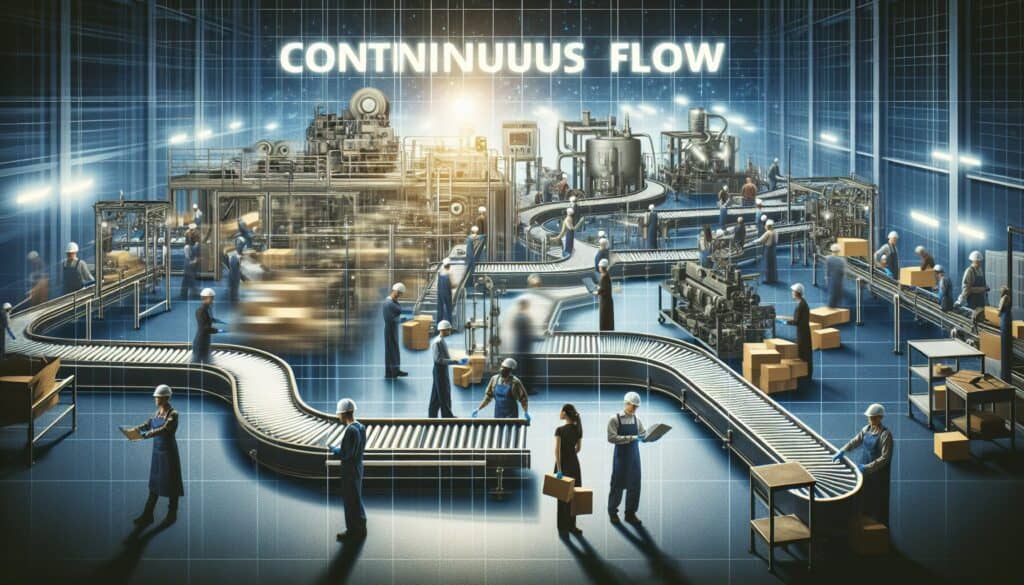
Continuous Flow methodology is particularly effective in industries such as automotive manufacturing, electronics, and consumer goods, where the demand for high-volume production with minimal variation is prevalent. In these settings, dedicated production lines facilitate the smooth transition of products from one stage to the next, allowing for streamlined operations that reduce downtime and enhance output. This approach is particularly suitable during the scale-up phase of a project when a company seeks to meet the demand without compromising on quality. Participants typically include process engineers, production managers, and supply chain experts who collaborate to optimize workflows and implement automation technologies like robotics and conveyor systems. One notable application of this methodology is in assembly lines for vehicles, where each component moves sequentially through stations that perform specific tasks. The efficiency gains can lead to reduced lead times and lower inventory levels, which not only decreases carrying costs but also mitigates the risk of obsolescence in fast-moving consumer goods. अनुत्पादक निर्माण techniques are often integrated within Continuous Flow systems, enabling continuous improvement and waste reduction initiatives. As industries face increasing pressure to deliver products faster and at lower costs, Continuous Flow provides a robust framework for addressing these challenges, ensuring a consistent quality output that meets market demands.

इस पद्धति के प्रमुख चरण

  1. विशिष्ट उत्पादों के लिए समर्पित उत्पादन लाइनें डिजाइन करें।
  2. निरंतर सामग्री परिवहन के लिए स्वचालित प्रणालियों को लागू करें।
  3. कार्य प्रक्रियाओं में एकरूपता बनाए रखने के लिए उन्हें मानकीकृत करें।
  4. तत्काल समायोजन के लिए उत्पादन प्रवाह की वास्तविक समय में निगरानी करें।
  5. उपकरणों के बंद रहने की अवधि को कम करने के लिए नियमित रखरखाव करें।
  6. अतिरिक्त स्टॉक को कम करने के लिए जस्ट-इन-टाइम इन्वेंट्री पद्धतियों को अपनाएं।
  7. मांग नियोजन के लिए उन्नत पूर्वानुमान उपकरणों का उपयोग करें।
  8. सुधार के क्षेत्रों की पहचान करने के लिए उत्पादन संबंधी मापदंडों का लगातार विश्लेषण करें।
  9. उत्पाद में निरंतर सुधार के लिए फीडबैक लूप को एकीकृत करें।
  10. कर्मचारियों को नई तकनीकों और प्रक्रिया सुधारों के बारे में प्रशिक्षित करें।

प्रो टिप्स

  • प्रत्येक ऑपरेशन के वास्तविक समय के प्रदर्शन की निगरानी के लिए उन्नत डेटा एनालिटिक्स को लागू करें, जिससे उत्पादन क्षमता को अनुकूलित करने वाले सक्रिय समायोजन किए जा सकें।
  • उत्पादन लाइनों के आसान पुनर्गठन को सुविधाजनक बनाने के लिए मॉड्यूलर डिजाइन सिद्धांतों का उपयोग करें, जिससे उत्पाद डिजाइनों में बदलाव या संचालन को प्रभावी ढंग से बढ़ाने में मदद मिलती है।
  • आईओटी सेंसर के माध्यम से पूर्वानुमानित रखरखाव रणनीतियों को शामिल करें, जिससे संभावित उपकरण विफलताओं को होने से पहले ही संबोधित करके डाउनटाइम को कम किया जा सके।

विभिन्न पद्धतियों को पढ़ने और उनकी तुलना करने के लिए, हम अनुशंसा करते हैं

> व्यापक कार्यप्रणाली भंडार  <
अन्य 400 से अधिक पद्धतियों के साथ।

इस कार्यप्रणाली पर आपकी टिप्पणियाँ या अतिरिक्त जानकारी का स्वागत है। नीचे टिप्पणी अनुभाग देखें ↓ , साथ ही इंजीनियरिंग से संबंधित कोई भी विचार या लिंक।

ऐतिहासिक संदर्भ

1950
1955
1956
1960
1960
1960
1960
1950
1950
1955
1958
1960
1960
1960
1960

(यदि तिथि अज्ञात है या प्रासंगिक नहीं है, उदाहरण के लिए "द्रव यांत्रिकी", तो इसके उल्लेखनीय उद्भव का एक अनुमानित आंकड़ा प्रदान किया गया है)


नवीनतम परिवर्धन

शीर्ष पोस्ट और लेख

शीर्ष मूल उपकरण

10वां वर्ष सालगिरह

पंजीकृत सदस्यों के लिए पूर्ण आकार की छवियाँ और डाउनलोड 100% निःशुल्क उपलब्ध हैं।




























