Product Design, Manufacturing & Innovation Resources

डिजाइन एफएमईए (डीएफएमईए)

Design FMEA

डिजाइन एफएमईए (डीएफएमईए)

उद्देश्य:

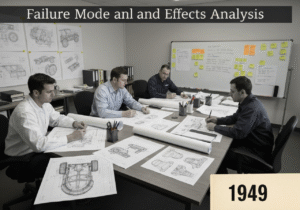
एक प्रकार का FMEA विशेष रूप से उत्पाद के निर्माण से पहले उसके डिजाइन से जुड़े संभावित विफलता के तरीकों, उनके कारणों और प्रभावों की पहचान करने और उन्हें कम करने पर ध्यान केंद्रित किया गया है।

इसका उपयोग कैसे किया जाता है:

फायदे

नुकसान

श्रेणियाँ:

इसके लिए सबसे अच्छा:

डिज़ाइन FMEA is commonly utilized in industries such as automotive, aerospace, medical devices, and consumer electronics, where product reliability and safety are paramount. In the early stages of product development, the methodology typically involves a cross-functional team composed of engineers, designers, quality assurance specialists, and sometimes regulatory experts, ensuring diverse perspectives are incorporated into the design analysis. This collaborative approach is particularly valuable during the conceptual and prototyping phases, as it facilitates the identification of potential failure modes before they can impact production costs or customer satisfaction. The team assesses various functions of the design, evaluating what might lead to a failure, understanding the consequences of such failures, and determining their severity and likelihood of occurrence using established risk matrix tools. The identification of current detection methods for these failure modes allows the team to prioritize potential issues based on a systematic ranking, ensuring that high-risk elements are addressed swiftly. This proactive approach not only enhances product reliability and safety but also promotes innovative thinking by pushing team members to explore new design possibilities that mitigate identified risks. By documenting the risk assessment and subsequent design decisions, companies create a historical record that supports future design efforts and aids in compliance with industry standards, ultimately leading to more robust product offerings and customer satisfaction.

इस पद्धति के प्रमुख चरण

  1. डिजाइन कार्यों और आवश्यकताओं की पहचान करें।
  2. प्रत्येक फ़ंक्शन के लिए संभावित विफलता मोड की सूची बनाएं।
  3. प्रत्येक विफलता मोड के प्रभावों का निर्धारण करें।
  4. पूर्वनिर्धारित पैमाने पर प्रत्येक प्रभाव की गंभीरता का आकलन करें।
  5. प्रत्येक प्रकार की विफलता की संभावना का मूल्यांकन करें।
  6. मौजूदा डिजाइन नियंत्रणों और पहचान विधियों की पहचान करें।
  7. प्रत्येक नियंत्रण की पहचान की संभावना निर्धारित करें।
  8. प्रत्येक विफलता मोड के लिए जोखिम प्राथमिकता संख्या (आरपीएन) की गणना करें।
  9. विफलता के प्रकारों को उनके आरपीएन स्कोर के आधार पर प्राथमिकता दें।
  10. उच्च जोखिम वाली विफलता स्थितियों के लिए कार्य योजनाएँ विकसित करें।
  11. सुधारात्मक कार्रवाई लागू करें और जिम्मेदारियां सौंपें।
  12. डिजाइन में बदलाव आने के साथ-साथ DFMEA की समीक्षा करें और उसे अपडेट करें।

प्रो टिप्स

  • प्रोटोटाइप और सिमुलेशन से प्राप्त वास्तविक समय के डेटा विश्लेषण को शामिल करके संभावित विफलताओं की पहचान गतिशील रूप से करें।
  • उन्नत मॉडलिंग तकनीकों का उपयोग करें, जैसे कि मोंटे कार्लो सिमुलेशन का उपयोग जोखिम का मात्रात्मक आकलन करने और विफलता के तरीकों को अधिक प्रभावी ढंग से प्राथमिकता देने के लिए किया जाता है।
  • हितधारकों को शुरुआत में ही शामिल करें डीएफएमईए डिजाइन कार्यों को ग्राहक की अपेक्षाओं और नियामक आवश्यकताओं के अनुरूप बनाने की प्रक्रिया, जिससे उत्पाद की स्वीकार्यता बढ़ती है।

विभिन्न पद्धतियों को पढ़ने और उनकी तुलना करने के लिए, हम अनुशंसा करते हैं

> व्यापक कार्यप्रणाली भंडार  <
अन्य 400 से अधिक पद्धतियों के साथ।

इस कार्यप्रणाली पर आपकी टिप्पणियाँ या अतिरिक्त जानकारी का स्वागत है। नीचे टिप्पणी अनुभाग देखें ↓ , साथ ही इंजीनियरिंग से संबंधित कोई भी विचार या लिंक।

ऐतिहासिक संदर्भ

1940
1940
1945-01-01
1949
1950
1950
1950
1940
1940
1940
1948
1950
1950
1950
1950

(यदि तिथि अज्ञात है या प्रासंगिक नहीं है, उदाहरण के लिए "द्रव यांत्रिकी", तो इसके उल्लेखनीय उद्भव का एक अनुमानित आंकड़ा प्रदान किया गया है)


नवीनतम परिवर्धन

शीर्ष पोस्ट और लेख

शीर्ष मूल उपकरण

10वां वर्ष सालगिरह

पंजीकृत सदस्यों के लिए पूर्ण आकार की छवियाँ और डाउनलोड 100% निःशुल्क उपलब्ध हैं।