제조를 고려한 설계(DfM), 식스 시그마 설계(DfSS), 디자인 검토, 고장 모드 및 영향 분석(FMEA), 제품 개발, 프로토타이핑, 품질 관리, 위험 분석, 위험 관리
목적:
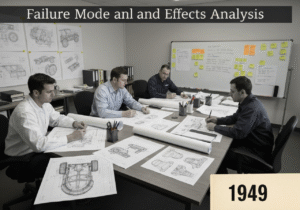
한 종류 FMEA 제품이 제조 단계에 이르기 전에 제품 설계와 관련된 잠재적인 고장 모드, 그 원인 및 영향을 파악하고 완화하는 데 특히 중점을 둡니다.
사용 방법:
다기능 팀은 제품 설계 기능, 설계가 요구 사항을 충족하지 못할 수 있는 잠재적인 원인, 그러한 실패의 결과, 심각도, 발생 가능성 및 현재 탐지 방법을 분석하여 위험도가 높은 설계 요소를 우선순위화하고 해결합니다.
장점
Proactively identifies and addresses design weaknesses early in development; Reduces late-stage design changes and associated costs; Improves product reliability, safety, and quality; Provides a documented record of risk assessment.
단점
시간이 많이 소요되고 상세한 설계 정보가 필요할 수 있습니다. 효과는 팀의 경험과 분석의 철저함에 따라 달라집니다. 모든 고장 모드와 그 발생 확률을 정확하게 예측하는 것이 어려울 수 있습니다.
카테고리:
공학, 제품 디자인, 품질, 위험 관리
다음과 같은 경우에 가장 적합합니다:
신제품 설계 또는 기존 제품 설계의 중대한 변경과 관련된 위험을 분석하고 완화합니다.
설계 FMEA is commonly utilized in industries such as automotive, aerospace, medical devices, and consumer electronics, where product reliability and safety are paramount. In the early stages of product development, the methodology typically involves a cross-functional team composed of engineers, designers, quality assurance specialists, and sometimes regulatory experts, ensuring diverse perspectives are incorporated into the design analysis. This collaborative approach is particularly valuable during the conceptual and prototyping phases, as it facilitates the identification of potential failure modes before they can impact production costs or customer satisfaction. The team assesses various functions of the design, evaluating what might lead to a failure, understanding the consequences of such failures, and determining their severity and likelihood of occurrence using established risk matrix tools. The identification of current detection methods for these failure modes allows the team to prioritize potential issues based on a systematic ranking, ensuring that high-risk elements are addressed swiftly. This proactive approach not only enhances product reliability and safety but also promotes innovative thinking by pushing team members to explore new design possibilities that mitigate identified risks. By documenting the risk assessment and subsequent design decisions, companies create a historical record that supports future design efforts and aids in compliance with industry standards, ultimately leading to more robust product offerings and customer satisfaction.
이 방법론의 주요 단계
설계 기능과 요구 사항을 파악하십시오.
각 기능의 잠재적 고장 모드를 나열하십시오.
각 고장 모드의 영향을 파악하십시오.
미리 정해진 척도를 사용하여 각 영향의 심각도를 평가하십시오.
각 고장 모드의 발생 가능성을 평가하십시오.
현재 설계 제어 및 감지 방법을 파악합니다.
각 대조군의 탐지 가능성을 판단하십시오.
각 고장 모드에 대한 위험 우선순위 번호(RPN)를 계산하십시오.
RPN 점수를 기준으로 고장 모드의 우선순위를 정하십시오.
위험도가 높은 고장 모드에 대한 실행 계획을 수립하십시오.
시정 조치를 시행하고 책임자를 지정하십시오.
설계가 발전함에 따라 DFMEA를 검토하고 업데이트하십시오.
프로 팁
프로토타입 및 시뮬레이션에서 얻은 실시간 데이터 분석을 통합하여 잠재적 오류를 동적으로 식별합니다.
다음과 같은 고급 모델링 기법을 활용하십시오. 몬테카를로 시뮬레이션을 통해 위험을 정량적으로 평가하고 고장 모드의 우선순위를 보다 효과적으로 정할 수 있습니다.
이해관계자들을 초기 단계부터 참여시키십시오. DFMEA 설계 기능을 고객 기대치 및 규제 요건에 맞춰 조정하여 제품 수용도를 높이는 프로세스입니다.