Product Design, Manufacturing & Innovation Resources

تحليل أنماط الفشل وتأثيراتها في التصميم (DFMEA)

Design FMEA

تحليل أنماط الفشل وتأثيراتها في التصميم (DFMEA)

الهدف:

نوع من تحليل الوضع والتأثير والتأثير يركز بشكل خاص على تحديد وتخفيف أنماط الفشل المحتملة وأسبابها وآثارها المرتبطة بتصميم المنتج قبل وصوله إلى مرحلة التصنيع.

كيفية استخدامه:

الايجابيات

سلبيات

الفئات:

الأفضل لـ:

تصميم تحليل الوضع والتأثير والتأثير is commonly utilized in industries such as automotive, aerospace, medical devices, and consumer electronics, where product reliability and safety are paramount. In the early stages of product development, the methodology typically involves a cross-functional team composed of engineers, designers, quality assurance specialists, and sometimes regulatory experts, ensuring diverse perspectives are incorporated into the design analysis. This collaborative approach is particularly valuable during the conceptual and prototyping phases, as it facilitates the identification of potential failure modes before they can impact production costs or customer satisfaction. The team assesses various functions of the design, evaluating what might lead to a failure, understanding the consequences of such failures, and determining their severity and likelihood of occurrence using established risk matrix tools. The identification of current detection methods for these failure modes allows the team to prioritize potential issues based on a systematic ranking, ensuring that high-risk elements are addressed swiftly. This proactive approach not only enhances product reliability and safety but also promotes innovative thinking by pushing team members to explore new design possibilities that mitigate identified risks. By documenting the risk assessment and subsequent design decisions, companies create a historical record that supports future design efforts and aids in compliance with industry standards, ultimately leading to more robust product offerings and customer satisfaction.

الخطوات الرئيسية لهذه المنهجية

  1. حدد وظائف التصميم ومتطلباته.
  2. اذكر أنماط الفشل المحتملة لكل وظيفة.
  3. حدد آثار كل نمط من أنماط الفشل.
  4. قم بتقييم شدة كل تأثير على مقياس محدد مسبقًا.
  5. قم بتقييم احتمالية حدوث كل نمط من أنماط الفشل.
  6. تحديد ضوابط التصميم الحالية وطرق الكشف.
  7. حدد احتمالية الكشف لكل عنصر تحكم.
  8. احسب رقم أولوية المخاطرة (RPN) لكل وضع فشل.
  9. قم بترتيب أولويات أنماط الفشل بناءً على درجات RPN الخاصة بها.
  10. قم بوضع خطط عمل لأنماط الفشل عالية الخطورة.
  11. تنفيذ الإجراءات التصحيحية وتحديد المسؤوليات.
  12. قم بمراجعة وتحديث تحليل أنماط الفشل وتأثيراتها (DFMEA) مع تطور التصميم.

نصائح احترافية

  • قم بدمج تحليل البيانات في الوقت الفعلي من النماذج الأولية وعمليات المحاكاة لتحديد حالات الفشل المحتملة بشكل ديناميكي.
  • استخدم تقنيات النمذجة المتقدمة، مثل مونت كارلو عمليات المحاكاة، لتقييم المخاطر كمياً وتحديد أولويات أنماط الفشل بشكل أكثر فعالية.
  • إشراك أصحاب المصلحة في وقت مبكر تحليل أنماط الفشل وتأثيراتها (DFMEA) عملية لمواءمة وظائف التصميم مع توقعات العملاء والمتطلبات التنظيمية، مما يعزز قبول المنتج.

لقراءة عدة منهجيات ومقارنتها, نوصي باستخدام

> مستودع المنهجيات الشامل  <
مع أكثر من 400 منهجية أخرى.

نرحب بتعليقاتكم على هذه المنهجية أو المعلومات الإضافية على قسم التعليقات أدناه ↓، وكذلك أي أفكار أو روابط متعلقة بالهندسة.

السياق التاريخي

1940
1940
1945-01-01
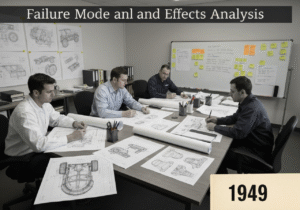
1949
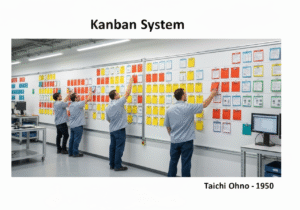
1950
1950
1950
1940
1940
1940
1948
1950
1950
1950
1950

(إذا كان التاريخ غير معروف أو غير ذي صلة، على سبيل المثال "ميكانيكا الموائع"، يتم توفير تقدير تقريبي لظهوره الملحوظ)


أحدث الإضافات

أهم المنشورات والمقالات

أفضل الأدوات الأصلية

السنة العاشرة عيد

الصور بالحجم الكامل والتنزيلات متاحة فقط 100% مجاناً للأعضاء المسجلين.