Product Design, Manufacturing & Innovation Resources

छह बड़े नुकसान

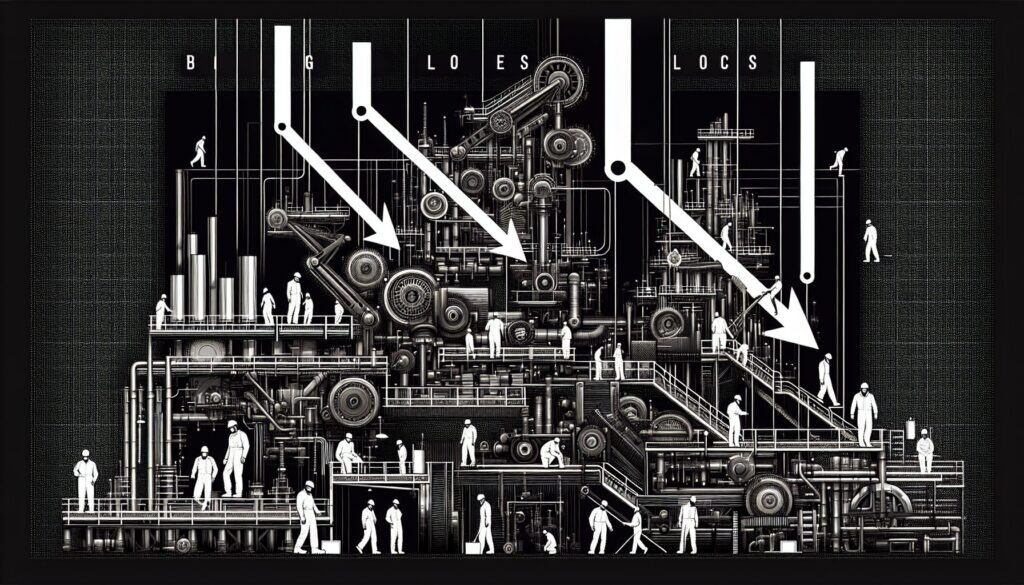
Big Losses

छह बड़े नुकसान

उद्देश्य:

To categorize and provide a framework for understanding and eliminating the most common causes of productivity loss in manufacturing.


इसका उपयोग कैसे किया जाता है:

फायदे

नुकसान

श्रेणियाँ:

इसके लिए सबसे अच्छा:

The Six Big Losses methodology serves various industries, particularly manufacturing, automotive, aerospace, and food processing, where maximizing equipment efficiency is essential. Applications include assembly lines, CNC machining, and packaging operations, aiding engineers and operations managers in identifying bottlenecks that hamper production rates. This methodology can be initiated during the planning phase of a new production line or as part of ongoing maintenance programs. Cross-functional teams involving maintenance technicians, production operators, and quality control personnel can collaboratively assess and document each loss type, leading to targeted improvement initiatives. For instance, regular analysis of breakdown trends can guide preventive maintenance schedules, while monitoring small stops can lead to adjustments in machinery or training for operators. Implementing the Six Big Losses approach aligns with लीन विनिर्माण principles, as it systematically categorizes and prioritizes instances of waste, transforming data into actionable strategies. Encouraging a culture of continuous improvement, this methodology can pave the way for enhanced team collaboration and the adoption of best practices in equipment management, ultimately driving improvements in product quality, operational uptime, and profitability.

इस पद्धति के प्रमुख चरण

  1. उपकरण से संबंधित छह प्रमुख हानियों की पहचान करें।
  2. प्रत्येक विशिष्ट प्रकार की हानि से संबंधित डेटा का विश्लेषण करें।
  3. उत्पादकता और परिचालन दक्षता (OEE) पर पड़ने वाले प्रभाव के आधार पर नुकसान को प्राथमिकता दें।
  4. प्राथमिकता के आधार पर हुए नुकसानों से निपटने के लिए लक्षित रणनीतियों को लागू करें।
  5. लागू की गई रणनीतियों की प्रभावशीलता की निगरानी और मापन करें।
  6. परिणामों और निरंतर सुधारों के आधार पर प्रक्रिया को दोहराएं।

प्रो टिप्स

  • अंतर्निहित मुद्दों को प्रभावी ढंग से उजागर करने के लिए, छह प्रमुख हानियों में से प्रत्येक के लिए विशेष रूप से डिज़ाइन किए गए रूट कॉज़ एनालिसिस (आरसीए) ढांचे को लागू करें।
  • उपकरण के प्रदर्शन की निरंतर निगरानी के लिए रीयल-टाइम डेटा एनालिटिक्स का लाभ उठाएं, जिससे नुकसान बढ़ने से पहले ही सक्रिय समायोजन किया जा सके।
  • उपकरण की दक्षता के प्रति साझा स्वामित्व की भावना को बढ़ावा देने के लिए, नुकसान की घटनाओं की सहयोगात्मक रूप से जांच करने हेतु ऑपरेटरों और रखरखाव कर्मियों सहित अंतर-कार्यात्मक टीमें स्थापित करें।

विभिन्न पद्धतियों को पढ़ने और उनकी तुलना करने के लिए, हम अनुशंसा करते हैं

> व्यापक कार्यप्रणाली भंडार  <
अन्य 400 से अधिक पद्धतियों के साथ।

इस कार्यप्रणाली पर आपकी टिप्पणियाँ या अतिरिक्त जानकारी का स्वागत है। नीचे टिप्पणी अनुभाग देखें ↓ , साथ ही इंजीनियरिंग से संबंधित कोई भी विचार या लिंक।

ऐतिहासिक संदर्भ

1974
1974
1978
1980
1980
1980
1980
1972
1974
1975-06-01
1980
1980
1980
1980
1980

(यदि तिथि अज्ञात है या प्रासंगिक नहीं है, उदाहरण के लिए "द्रव यांत्रिकी", तो इसके उल्लेखनीय उद्भव का एक अनुमानित आंकड़ा प्रदान किया गया है)


नवीनतम परिवर्धन

शीर्ष पोस्ट और लेख

शीर्ष मूल उपकरण

10वां वर्ष सालगिरह

पंजीकृत सदस्यों के लिए पूर्ण आकार की छवियाँ और डाउनलोड 100% निःशुल्क उपलब्ध हैं।